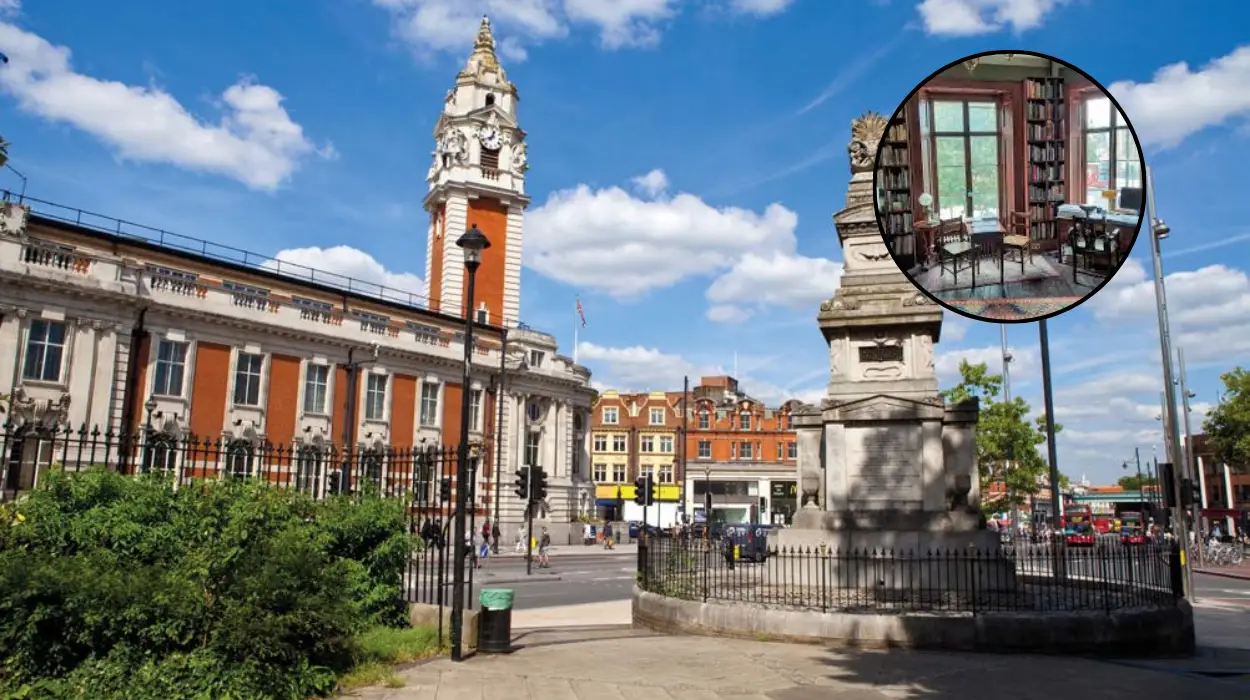
Lambeth Council traces its origins to the ancient parish of Lambeth, with local governance formalized in 1856 under the Metropolis Management Act, establishing a vestry as a lower-tier authority beneath the Metropolitan Board of Works. This evolved into the Metropolitan Borough of Lambeth in 1900, and the modern London Borough of Lambeth Council formed in 1965 through the London Government Act 1963, merging territories from the former Lambeth and Wandsworth boroughs, with its first elections held in 1964. The area’s medieval heritage includes Lambeth Palace, constructed around 1197 by the Archbishop of Canterbury, site of historic events like the Treaty of Lambeth in 1217, underscoring centuries of ecclesiastical influence before secular local administration took hold.
Governance Structure
Operating from Lambeth Town Hall in Brixton, opened in 1908, and the modern Civic Centre on Brixton Hill since 2018, Lambeth Council functions as a “most purpose” authority responsible for council tax, planning, housing, social services, libraries, waste management, roads, and environmental health. Labour has maintained majority control since 2006, securing 56 of 63 seats in the 2022 elections across 25 wards such as Brixton Acre Lane and Clapham Town, with the next election slated for May 2026. Leader Claire Holland, in office since 2021, guides policy alongside a ceremonial Mayor, building on predecessors like Steve Reed while navigating recent leadership changes including the 2024 CEO transition.
Core Services Overview
Lambeth Council delivers comprehensive services tailored to its 318,000 residents across 27.25 square kilometers, including adult social care, child protection, housing repairs, tenancy support, and the “One Bag a Week” recycling initiative to promote sustainable waste management. Housing stands out with council properties managed under the Tenants’ Charter, alongside planning permissions, business rates, library access, and community safety measures addressing anti-social behaviour. Digital tools like the mylambeth portal streamline benefits claims, emergency support, civil ceremonies, and consultations through platforms such as Go Vocal, ensuring residents in areas from Vauxhall to Streatham stay connected.
Community Impact and Achievements
As South London’s creative and diverse hub bordering the Thames, Lambeth Council drives equalities strategies, open data transparency, and health profiles addressing its dense population—London’s seventh most crowded. Achievements include green initiatives like the amphibian hotel in Archbishop’s Park, support for rough sleepers, and cultural boosts for Brixton markets and Clapham Common, fostering over 200 hectares of parks and leisure spaces. In 2021, the council issued an unreserved apology for historical child abuse failures spanning the 1960s to 1990s, reflecting accountability amid progressive voices from Green councillors like Jonathan Bartley.
Challenges and Controversies
Lambeth’s history includes 1980s rate-capping rebellions under “Red Ted” Knight, resulting in High Court surcharges against 34 Labour councillors, and 1990s poll tax resistance that fueled its “loony left” label. Recent housing scandals persist, with the 2023 Ombudsman finding “severe maladministration” in tenancy issues, prompting government criticism, alongside underdelivery by Homes for Lambeth leading to its recommended closure. Despite reforms in complaint handling and new leadership commitments, challenges like non-disclosure agreements in leaseholder cases and slow affordable housing progress highlight ongoing pressures in this urban borough.
Looking Ahead
Lambeth Council continues shaping South London’s future through resident engagement via email updates, strategies balancing growth with heritage, and priorities like equity, sustainability, and skills programs for businesses. From the South Bank’s vibrancy to Streatham’s community commons, it navigates dense demands as a Labour stronghold, encouraging involvement at lambeth.gov.uk for services, elections, and feedback. This enduring authority, rooted in medieval legacy, adapts to serve its multicultural residents effectively.