Lambeth is one of South London’s most culturally diverse boroughs, offering visitors a combination of historic landmarks, multicultural markets, independent food businesses, green spaces, performing arts venues and distinctive neighbourhood identities. Stretching from Waterloo and the River Thames in the north to Streatham and Norwood in the south, the borough provides several different experiences within a relatively compact part of London.
- What Makes Lambeth Different From Other South London Visitor Destinations?
- Which Lambeth Neighbourhood Is Best for Black British History and Caribbean Culture?
- Why Is Clapham Popular With Visitors Looking for Green Spaces and Independent Food?
- What Makes Clapham Common Worth Visiting?
- Where Can Visitors Experience Clapham’s Local Food and Entertainment?
- What Makes Herne Hill a Distinctive Neighbourhood for Relaxed Visitors?
- Why Is Brockwell Park an Important Visitor Attraction?
- What Can Visitors Experience in Herne Hill Village?
- Why Should Visitors Explore Waterloo and South Bank?
- Which Cultural Attractions Define Waterloo and South Bank?
- How Can Visitors Explore Waterloo on Foot?
- What Unique Attractions Make Vauxhall Worth Visiting?
- What Is the History of Vauxhall Pleasure Gardens?
- Why Is the Royal Vauxhall Tavern Important?
- What Can Families Do Around Vauxhall?
- Why Does Kennington Appeal to Visitors Interested in History and Architecture?
- What Makes The Oval an Important Sporting Attraction?
- What Other Historic Places Can Visitors Explore in Kennington?
- What Visitor Experiences Does Streatham Offer?
- Why Is Streatham Common a Good Place to Visit?
- What Makes The Rookery Gardens Special?
- What Can Visitors Do Along Streatham High Road?
- Why Is West Norwood Worth Exploring for Local Heritage and Independent Businesses?
- What Makes West Norwood Cemetery Historically Important?
- What Can Visitors Discover in West Norwood’s Local Centre?
- Which Lambeth Neighbourhoods Are Best for Different Types of Visitors?
- Which Neighbourhoods Are Best for Families?
- Which Areas Are Best for Solo Travellers?
- Which Neighbourhoods Suit Digital Nomads and Business Travellers?
- How Can Visitors Travel Between Lambeth’s Neighbourhoods?
- When Is the Best Time to Visit Lambeth’s Neighbourhoods?
- Spring and Summer Experiences
- Autumn and Winter Experiences
- How Should Visitors Plan Around Local Events?
- How Does Lambeth’s Cultural Heritage Shape Its Future as a Visitor Destination?
- Why Is Supporting Independent Businesses Important?
- Why Should Visitors Explore More Than One Neighbourhood?
- What Is a Good One-Day Visitor Itinerary for Lambeth?
- Which Lambeth Neighbourhoods Should Visitors Prioritise?
The best Lambeth neighbourhoods for unique visitor experiences include Brixton, Clapham, Herne Hill, Waterloo, Vauxhall, Kennington, Streatham and West Norwood. Each area has a different appeal. Brixton attracts visitors interested in Black British history, Caribbean culture and international food. Clapham offers historic green spaces and independent hospitality. Waterloo provides major cultural attractions, while Herne Hill combines village character with access to Brockwell Park.
Lambeth Council organises the borough into five neighbourhood areas: Brixton and Herne Hill, Clapham, North Lambeth and Stockwell, Norwood, and Streatham. These administrative groupings provide a useful starting point for understanding the borough’s geography and planning a visit.
What Makes Lambeth Different From Other South London Visitor Destinations?
Lambeth stands out because it combines internationally recognised cultural attractions with neighbourhood markets, historic architecture, community heritage and accessible green spaces. Its visitor experiences range from Brixton’s Caribbean food culture to Waterloo’s riverside arts venues and Streatham’s suburban character.
Lambeth occupies a strategically important position in inner South London. Its northern boundary follows the River Thames, while its southern neighbourhoods extend towards the South Circular Road. The borough includes established residential communities, commercial centres, cultural institutions and recreational spaces.
Unlike destinations centred around one major attraction, Lambeth offers several distinct visitor environments. Travellers can explore the National Theatre and Southbank Centre in Waterloo, visit historic markets in Brixton, walk through Clapham Common or discover the landscaped gardens of Streatham’s Rookery.
The borough’s identity also reflects centuries of social, economic and cultural change. Lambeth developed from a collection of separate settlements into a major urban borough. Industrial activity expanded along the Thames during the eighteenth and nineteenth centuries. Glassmaking, pottery production and other manufacturing industries shaped its economy.
After the Second World War, cultural institutions became increasingly important to the borough. The development of the Southbank Centre, National Theatre and BFI Southbank established Waterloo as a major centre for arts and entertainment. Brixton developed a different identity through post-war Caribbean migration and the growth of Black British cultural institutions.
This historical development explains why Lambeth offers different experiences across its neighbourhoods. Its markets, theatres, parks and historic buildings represent different stages of London’s development.
Which Lambeth Neighbourhood Is Best for Black British History and Caribbean Culture?
Brixton is Lambeth’s leading destination for exploring Black British history and Caribbean culture. Its historic markets, Windrush Square, Black Cultural Archives, independent food businesses and music venues provide visitors with opportunities to understand the cultural contributions of African and Caribbean communities.
Brixton is one of the most recognisable neighbourhoods in South London. Located around Brixton Road, Atlantic Road and Coldharbour Lane, it is known for its multicultural identity, busy shopping streets, independent businesses and music culture.
Its modern character developed partly through post-war migration from the Caribbean. The arrival of the Empire Windrush in 1948 marked an important moment in Britain’s post-war migration history. Many Caribbean migrants established homes and businesses in Brixton, contributing to the area’s social and cultural development.
Why Should Visitors Explore Brixton Market?
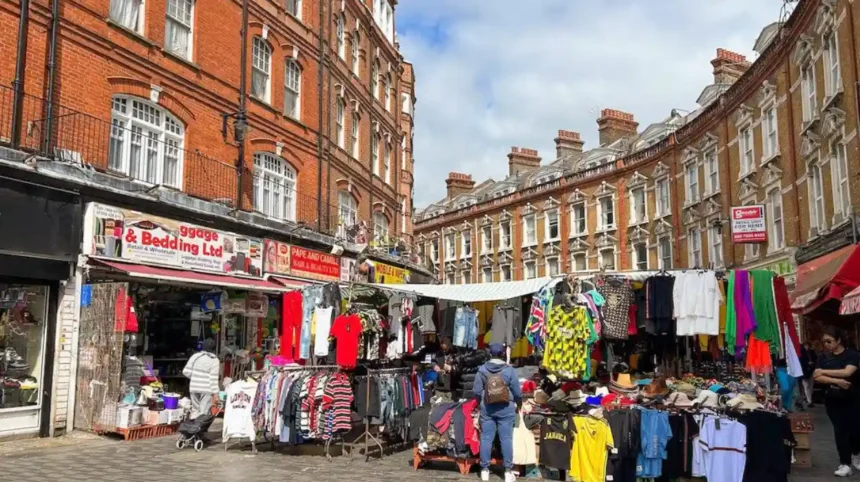
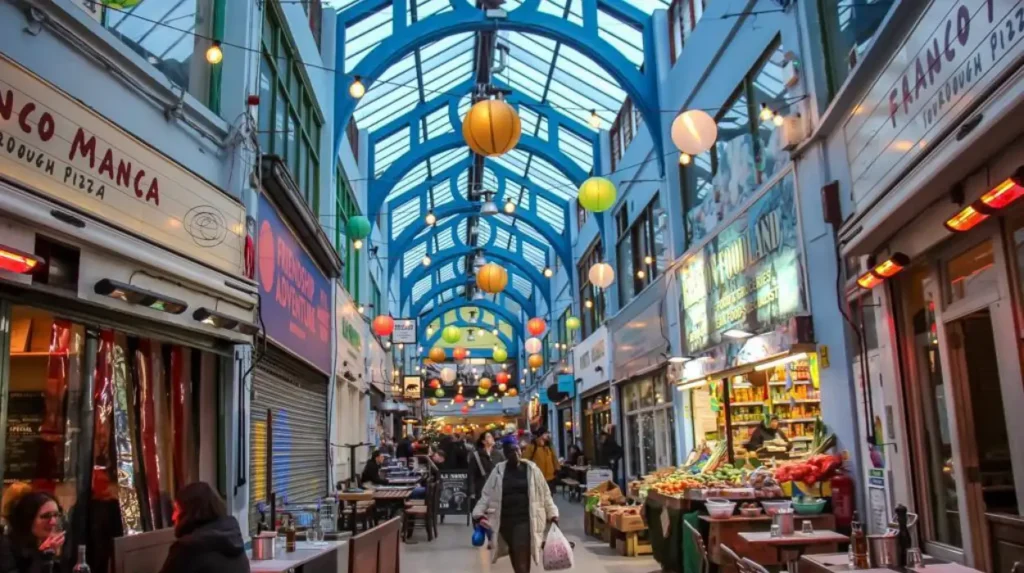
Brixton Market is one of the neighbourhood’s most distinctive attractions. It includes street stalls, independent retailers, food businesses and covered shopping arcades.
The market’s development is closely connected to Brixton’s nineteenth-century expansion. Railway construction in 1862 helped transform the area into a growing commercial centre. Market stalls appeared near Atlantic Road and subsequently expanded into neighbouring streets.
Electric Avenue became particularly significant during the 1880s because it was Britain’s first market street illuminated by electric lighting. The covered market buildings developed during the twentieth century, including Reliance Arcade, Market Row and Granville Arcade, now known as Brixton Village.
The market’s cultural identity strengthened following Caribbean migration after the Second World War. Traders introduced ingredients, products and food traditions that reflected the changing population of Brixton. Its stalls now represent a wider range of international cuisines and retail businesses.
Visitors can explore:
- Brixton Village: A covered market with independent restaurants, food businesses and specialist retailers.
- Electric Avenue: A historic shopping street known for its market stalls and commercial heritage.
- Market Row: A covered shopping arcade containing independent food and retail businesses.
- Atlantic Road: A busy street connecting the market area with Brixton’s transport hub.
What Can Visitors Learn at Black Cultural Archives?
The Black Cultural Archives is an important heritage institution at 1 Windrush Square, Brixton.
It collects, preserves and presents the histories of people of African and Caribbean descent in Britain. Its work includes historical exhibitions, archival collections, educational activities and cultural programmes.
Windrush Square provides an additional opportunity to understand Brixton’s heritage. The public space includes memorials and public artworks recognising African and Caribbean contributions to British society.
Visitors should check the archive’s official visitor arrangements before travelling. Access to its Reading Room and Library requires advance arrangements, and visits to the heritage centre are subject to appointment requirements. visitlondon.com+1
Brixton also has a strong musical identity. The O2 Academy Brixton, Electric Brixton and other performance spaces attract audiences interested in live music and nightlife.
For visitors interested in the neighbourhood’s wider development, explore the [history of Brixton’s Caribbean community and cultural heritage] to understand how migration, markets and local institutions shaped its present-day identity.
Why Is Clapham Popular With Visitors Looking for Green Spaces and Independent Food?
Clapham attracts visitors through its historic common, independent restaurants, traditional pubs, entertainment venues and accessible residential streets. Clapham Common provides the main outdoor attraction, while Clapham High Street and surrounding roads offer dining, shopping and nightlife experiences.
Clapham occupies the western part of Lambeth and combines established residential streets with a busy hospitality scene. The neighbourhood appeals to visitors seeking a less formal sightseeing experience than central London’s major tourist districts.
Clapham’s identity centres on its common, historic settlement, restaurants and local entertainment.
What Makes Clapham Common Worth Visiting?
Clapham Common is one of London’s largest historic public open spaces. It covers more than 85 hectares and provides recreational facilities, walking routes, open grassland and mature trees.
The common sits between Clapham, Battersea and Balham. Its size makes it suitable for several activities, including:
- Walking and jogging along its established paths.
- Picnicking across its open grassland.
- Exploring its ponds and natural habitats.
- Using outdoor sports and recreational facilities.
- Attending organised community activities and seasonal events.
The common also offers a useful contrast with Brixton’s busy commercial streets. Visitors can combine an outdoor visit with lunch, independent shopping or an evening meal in the surrounding neighbourhood.
Where Can Visitors Experience Clapham’s Local Food and Entertainment?
Clapham High Street and Clapham Old Town contain restaurants, cafés, pubs and independent hospitality businesses.
The area has a strong evening economy, with dining venues and entertainment spaces serving residents and visitors. The Clapham Grand is a recognised entertainment venue hosting live performances, themed events and other programmes.
Visitors interested in a combination of outdoor recreation and local hospitality can organise a simple walking visit. Start at Clapham Common, explore the surrounding streets and finish at a local restaurant or performance venue.
The neighbourhood is particularly suitable for travellers who want to experience everyday South London social life rather than concentrate exclusively on major tourist landmarks.
What Makes Herne Hill a Distinctive Neighbourhood for Relaxed Visitors?
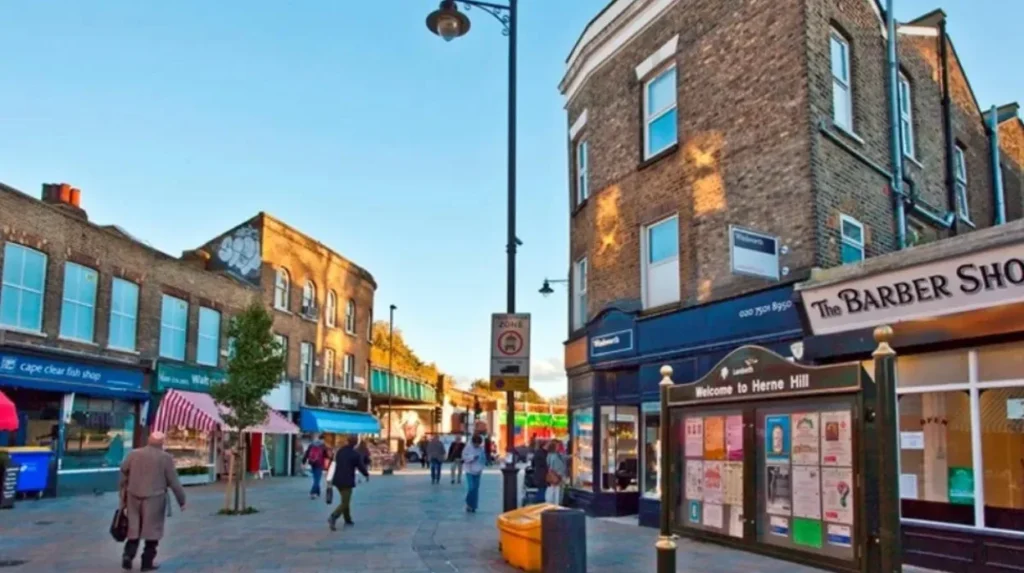
Herne Hill offers a village-style visitor experience through independent shops, cafés, traditional streets and access to Brockwell Park. Its Sunday market, local businesses and proximity to Brixton make it particularly suitable for travellers seeking quieter neighbourhood exploration and outdoor recreation.
Herne Hill is situated between Brixton, Dulwich and Tulse Hill. It has a distinct local identity based on independent businesses, residential architecture and access to public green spaces.
Unlike Brixton’s busy commercial centre, Herne Hill offers a more relaxed environment. Its high street contains independent retailers, cafés, restaurants and small businesses.
Why Is Brockwell Park an Important Visitor Attraction?
Brockwell Park is one of Lambeth’s most important recreational destinations. Established in 1892, the park covers approximately 50 hectares and includes historic gardens, open meadows, ponds, mature trees and sports facilities.
Its elevated landscape provides views across parts of London. Brockwell Hall, a historic mansion within the park, adds architectural interest to the surrounding landscape.
The park offers several visitor experiences:
- Historic gardens: The walled Old English Garden contains formal planting and landscaped areas.
- Walking routes: Paths connect open lawns, ponds and wooded sections.
- Sports facilities: Recreational areas support outdoor exercise and organised activities.
- Community events: The park hosts cultural and recreational gatherings.
- Natural habitats: Trees, ponds and varied vegetation support local biodiversity.
Brockwell Park is also associated with community festivals and outdoor activities. Visitors should check event schedules and access arrangements before travelling during major events.
What Can Visitors Experience in Herne Hill Village?
Herne Hill’s commercial centre provides an opportunity to explore local businesses without following a formal sightseeing itinerary.
The neighbourhood’s independent cafés and restaurants serve different food preferences. Its shops offer an alternative to larger commercial shopping centres.
The Sunday market adds another dimension to the local experience. Market stalls, food traders and independent sellers create a regular community gathering point.
Herne Hill also provides convenient access to Brockwell Park and nearby Brixton. Visitors can combine all three destinations during a half-day excursion.
The neighbourhood suits digital nomads seeking quieter cafés and travellers who prefer local shopping streets over large retail developments. Visitors should check individual business opening hours because independent venues follow different schedules.
Why Should Visitors Explore Waterloo and South Bank?
Waterloo and South Bank offer Lambeth’s strongest concentration of major cultural attractions, riverside experiences and performing arts venues. Visitors can explore the London Eye, Southbank Centre, National Theatre, BFI Southbank and nearby Thames pathways within a connected urban area.
Waterloo is located in northern Lambeth beside the River Thames. Its location connects visitors with central London’s cultural and historic attractions.
South Bank is the riverside cultural district associated with several major arts institutions. Its theatres, exhibition spaces, restaurants and public walkways make it one of London’s busiest visitor areas.
Which Cultural Attractions Define Waterloo and South Bank?
The neighbourhood contains several internationally recognised destinations.
Southbank Centre
Southbank Centre is a major arts complex containing performance and exhibition spaces. Its venues include the Royal Festival Hall, Queen Elizabeth Hall and Purcell Room.
The centre presents music, literature, dance, spoken-word performances and visual arts programmes. Its public spaces also provide places for visitors to relax beside the river.
National Theatre
The National Theatre is one of Britain’s leading performing arts institutions. Its South Bank building contains several performance spaces and regularly presents theatrical productions.
Visitors can attend performances, participate in educational activities and explore public areas within the building.
BFI Southbank
BFI Southbank is a major destination for film enthusiasts. It screens classic cinema, international productions, independent films and special programmes.
Its cultural programme makes Waterloo particularly attractive to visitors interested in film history and cinema beyond mainstream releases.
London Eye
The London Eye is a major observation wheel on the Thames. Its enclosed passenger capsules provide elevated views of London’s landmarks, including Westminster, the City and the river.
Although the attraction is associated with the wider South Bank destination, it is an important part of the visitor experience in northern Lambeth.
How Can Visitors Explore Waterloo on Foot?
Waterloo is suitable for walking-based sightseeing because many major attractions sit close together.
A visitor can start at Waterloo Station, walk towards the South Bank, explore the Southbank Centre and continue along the Thames. The route connects public spaces, cultural institutions, riverside restaurants and viewpoints.
The area’s pedestrian environment also supports short visits between business meetings. Travellers with limited free time can visit one cultural attraction, enjoy the riverfront and return to Waterloo Station.
Waterloo’s significance extends beyond tourism. Its transport connections make it a practical starting point for exploring other Lambeth neighbourhoods.
What Unique Attractions Make Vauxhall Worth Visiting?
Vauxhall combines riverside architecture, historic entertainment heritage, public parks, LGBTQ+ cultural history and contemporary hospitality. Its proximity to Vauxhall Station and the River Thames makes it a convenient destination for visitors exploring northern Lambeth.
Vauxhall sits between Waterloo, Kennington, Stockwell and the River Thames. Its identity reflects a combination of historic entertainment, transport infrastructure, residential development and contemporary culture.
What Is the History of Vauxhall Pleasure Gardens?
Vauxhall is historically associated with Vauxhall Pleasure Gardens. These gardens operated as a major entertainment destination for approximately two centuries.
Visitors historically attended musical performances, theatrical entertainment, dining events and social gatherings. The gardens attracted people from different social backgrounds and became an important part of London’s recreational culture.
The historical entertainment tradition helps explain Vauxhall’s continued association with nightlife and cultural activity.
The modern Vauxhall Pleasure Gardens is a public green space that provides a quieter environment within the surrounding urban district.
Why Is the Royal Vauxhall Tavern Important?
The Royal Vauxhall Tavern is a historic entertainment venue with an important connection to LGBTQ+ cultural life.
The building dates from approximately 1860–1862 and is recognised for its distinctive performance heritage. It has hosted drag performances, cabaret, comedy and live entertainment.
The tavern is particularly significant within London’s LGBTQ+ history because it has served as a long-standing social and performance venue.
Visitors interested in performance history should check its programme before travelling. Its events vary, and some performances require advance tickets.
What Can Families Do Around Vauxhall?
Vauxhall offers recreational opportunities beyond its nightlife.
Vauxhall City Farm provides a small urban farm experience. Visitors can encounter farm animals and learn about animal care and community farming.
Nearby Vauxhall Park contains landscaped areas, recreational facilities and a distinctive model village.
The combination of green spaces and family-oriented attractions gives Vauxhall a different character from Brixton and Waterloo.
Its transport connections also make it practical for visitors who want to combine a short park visit with other central South London attractions.
Why Does Kennington Appeal to Visitors Interested in History and Architecture?
Kennington appeals to history and architecture enthusiasts through its Georgian and Victorian streets, historic public buildings, cricket heritage and connections with British political history. The neighbourhood combines residential character with accessible attractions and open spaces.
Kennington lies between Vauxhall, Oval and Elephant and Castle. Its historic streets and established residential architecture create a quieter environment than the commercial centres of Brixton and Waterloo.
What Makes The Oval an Important Sporting Attraction?
The Kia Oval is one of England’s most recognised cricket grounds.
Established in the nineteenth century, the venue has a long association with international and domestic cricket. It is home to Surrey County Cricket Club and regularly hosts major fixtures.
The Oval has also played an important role in cricket history. In 1880, it hosted England’s first home Test match.
Cricket enthusiasts can attend scheduled matches or investigate stadium tour opportunities. Match dates, ticket availability and tour arrangements depend on the venue’s calendar.
The ground also has historical significance beyond English cricket. In 1976, the West Indies cricket team completed a 3–0 Test series victory against England at The Oval, a notable moment in Caribbean sporting history.
What Other Historic Places Can Visitors Explore in Kennington?
Kennington contains several streets and buildings associated with London’s architectural development.
Kennington Park provides a historic green space for walking and outdoor recreation. Its location makes it useful for visitors exploring the neighbourhood on foot.
The area also contains historic residential buildings, churches and traditional commercial streets.
Lambeth’s wider architectural heritage includes buildings from different periods, ranging from Georgian and Victorian properties to twentieth-century public architecture. Historic England’s local heritage collection documents notable structures across the borough. Historic England
Visitors interested in London’s political history can also explore the neighbourhood’s proximity to central government districts and the wider Westminster area.
Kennington is therefore particularly suitable for travellers who prefer combining sporting attractions, historic architecture and local residential streets.
What Visitor Experiences Does Streatham Offer?
Streatham offers a suburban South London experience through historic shopping streets, landscaped gardens, recreational parks, independent restaurants and community entertainment. Streatham Common and The Rookery are particularly distinctive attractions for visitors interested in nature, outdoor activities and quieter local destinations.
Streatham occupies the southern part of Lambeth. It has a different character from the borough’s inner neighbourhoods because of its larger residential areas, suburban streets and extensive recreational spaces.
Streatham High Road is a major commercial street with shops, cafés, restaurants and entertainment businesses. It provides an opportunity to experience a busy local shopping district outside central London.
Why Is Streatham Common a Good Place to Visit?
Streatham Common is an important open space in southern Lambeth. Its landscape includes open grassland, wooded sections and areas of natural interest.
The common is particularly suitable for walking, outdoor exercise and family recreation.
Visitors can explore its different landscape features, enjoy views across the surrounding area and use nearby recreational facilities.
The common also provides access to The Rookery, one of Streatham’s most distinctive historic gardens.
What Makes The Rookery Gardens Special?
The Rookery is a landscaped garden located on the western side of Streatham Common.
Its design includes formal planting, ornamental features, water elements and established garden spaces. The site has a connection to Streatham’s historical reputation for natural springs and landscaped residential environments.
The gardens provide a peaceful alternative to London’s busy commercial districts.
Visitors can combine a walk through The Rookery with a wider exploration of Streatham Common. The nearby café also provides a convenient stopping point.
What Can Visitors Do Along Streatham High Road?
Streatham High Road is one of the neighbourhood’s defining commercial features.
The road contains a mixture of independent businesses, restaurants, cafés and established retailers. Its length and variety make it suitable for informal shopping and dining.
Streatham also has a strong community entertainment scene. The neighbourhood’s cultural and recreational venues provide opportunities to discover local events, performances and activities.
For visitors spending longer in Lambeth, Streatham offers a different perspective on South London life beyond the better-known inner districts.
Why Is West Norwood Worth Exploring for Local Heritage and Independent Businesses?
West Norwood offers visitors a distinctive combination of Victorian architecture, cemetery heritage, independent businesses, local markets and community cultural activities. Its historic streets and residential character provide a less conventional sightseeing experience within southern Lambeth.
West Norwood is located in the southern part of Lambeth. It is a residential neighbourhood with an established commercial centre and significant historic buildings.
Its visitor appeal comes from its local heritage and community atmosphere rather than large international attractions.
What Makes West Norwood Cemetery Historically Important?
West Norwood Cemetery is one of London’s historic Victorian cemeteries.
It opened in 1837 and forms part of the group known as the Magnificent Seven cemeteries. These private burial grounds were established during the nineteenth century to address pressure on London’s overcrowded parish burial grounds.
West Norwood Cemetery contains historic monuments, architectural memorials and landscaped burial grounds. Its buildings and monuments illustrate changing Victorian attitudes towards death, remembrance and public commemoration.
The cemetery is also recognised for its architectural and historical significance. Visitors interested in genealogy, social history and Victorian architecture find it an important destination.
Access arrangements should be checked before visiting because cemetery facilities, guided tours and special events follow individual schedules.
What Can Visitors Discover in West Norwood’s Local Centre?
West Norwood’s high street contains independent shops, cafés, restaurants and community businesses.
The area supports a local cultural scene through events, exhibitions and neighbourhood activities. The West Norwood Library and nearby community facilities also contribute to its local identity.
Visitors can explore its commercial centre, observe Victorian architecture and discover smaller independent businesses.
The neighbourhood is particularly suitable for travellers who want to explore places outside London’s conventional sightseeing circuit.
Which Lambeth Neighbourhoods Are Best for Different Types of Visitors?
Brixton suits visitors interested in multicultural food and Black British history, while Waterloo is strongest for major cultural attractions. Clapham offers outdoor recreation, Herne Hill provides village character, and Streatham and West Norwood suit quieter heritage-focused exploration.
Lambeth’s neighbourhoods serve different visitor interests. Selecting the right destination depends on available time, transport preferences and the type of experience sought.
Which Neighbourhoods Are Best for Families?
Families seeking outdoor activities should consider Clapham, Herne Hill and Streatham.
Clapham Common provides open recreational space, while Brockwell Park offers landscaped gardens and family-friendly outdoor facilities. Streatham Common provides another option for longer walks and nature-based activities.
Vauxhall is also suitable for families interested in visiting Vauxhall City Farm and nearby public parks.
Waterloo offers indoor entertainment and cultural attractions. Families can explore suitable exhibitions, attend performances or visit the London Eye.
Which Areas Are Best for Solo Travellers?
Brixton, Waterloo and Herne Hill provide particularly varied experiences for solo visitors.
Brixton is suitable for exploring food markets, cultural institutions and independent businesses. Waterloo offers a concentrated selection of attractions within a walkable area.
Herne Hill provides a quieter environment for independent cafés, shopping and park visits.
Solo travellers should check event schedules and venue opening hours before travelling, particularly when planning evening activities.
Which Neighbourhoods Suit Digital Nomads and Business Travellers?
Waterloo, Brixton, Clapham and Herne Hill provide different options for travellers balancing work and leisure.
Waterloo benefits from major transport connections and proximity to central London. Its cafés, restaurants and cultural venues make it practical for visitors with limited free time.
Brixton has independent cafés, food businesses and accessible public transport. Herne Hill offers a quieter environment for informal working sessions.
Clapham provides restaurants and hospitality businesses alongside substantial outdoor recreational space.
Visitors requiring reliable working facilities should check Wi-Fi availability, seating arrangements and business opening hours before selecting a venue.
How Can Visitors Travel Between Lambeth’s Neighbourhoods?
Lambeth is connected by London Underground, National Rail, buses and pedestrian routes. Waterloo, Vauxhall, Brixton, Clapham, Herne Hill and Streatham provide useful transport connections, allowing visitors to explore several neighbourhoods without relying on private transport.
Public transport is the most practical way to explore Lambeth. Different neighbourhoods have access to Underground stations, railway stations and bus routes.
Which Transport Connections Serve the Main Neighbourhoods?
- Waterloo: Waterloo Underground and National Rail stations connect visitors with central London and destinations across the capital.
- Brixton: Brixton Underground station provides Victoria line connections. Brixton railway station offers additional National Rail services.
- Clapham: Clapham Common and Clapham North Underground stations serve the neighbourhood. Clapham High Street also has an Overground station.
- Herne Hill: Herne Hill railway station connects the neighbourhood with central London and destinations in South London.
- Vauxhall: Vauxhall Underground and railway stations provide connections with central London and other destinations.
- Kennington: Kennington Underground station serves the Northern line.
- Streatham: Streatham, Streatham Hill and Streatham Common railway stations provide connections with other London districts.
- West Norwood: West Norwood railway station connects the neighbourhood with central London and surrounding areas.
Visitors should check Transport for London and National Rail journey planners for current routes, engineering works, service changes and fares.
Is Walking a Good Way to Explore Lambeth?
Walking is particularly useful within individual neighbourhoods because many attractions are concentrated around high streets, parks and cultural centres.
Waterloo’s riverside attractions are connected by pedestrian routes. Brixton’s markets, Windrush Square and cultural venues are also close enough to explore during one walking visit.
In Herne Hill, visitors can walk between the village centre and Brockwell Park. Clapham’s commercial streets and common also support a combined walking itinerary.
For longer journeys between southern and northern Lambeth, public transport saves time and reduces the need to walk along major roads.
When Is the Best Time to Visit Lambeth’s Neighbourhoods?
Spring and summer are particularly suitable for exploring Lambeth’s parks, markets and outdoor attractions. Autumn provides opportunities for heritage visits and cultural events, while winter visitors can concentrate on theatres, museums, restaurants and indoor entertainment venues.
Lambeth offers visitor experiences throughout the year, although individual activities depend on weather conditions and seasonal programmes.
Spring and Summer Experiences
Spring and summer provide favourable conditions for exploring Clapham Common, Brockwell Park and Streatham Common.
Outdoor markets and neighbourhood shopping streets also become attractive destinations for longer visits.
Visitors can combine park walks with independent cafés, outdoor dining and cultural events.
Autumn and Winter Experiences
Autumn provides opportunities to explore historic buildings, cemeteries and cultural institutions.
Winter visitors can concentrate on Waterloo’s theatres, BFI Southbank, Brixton’s food venues and Vauxhall’s entertainment spaces.
Indoor attractions also provide practical alternatives during periods of heavy rain or colder weather.
How Should Visitors Plan Around Local Events?
Lambeth hosts cultural programmes, performances, markets and community gatherings throughout the year.
Brixton’s music venues, Waterloo’s theatres and the borough’s public parks have different event schedules.
Visitors should check official attraction websites before booking transport or accommodation. Special events can affect crowd levels, access arrangements and ticket availability.
Explore More Area Guide
Lambeth Council Tops Good Parks for London Report in Lambeth 2026
Lambeth Nightlife Beyond Brixton: Best Areas, Bars and Entertainment
How Does Lambeth’s Cultural Heritage Shape Its Future as a Visitor Destination?
Lambeth’s future visitor appeal depends on protecting historic buildings, supporting independent businesses, maintaining public parks and promoting its diverse cultural institutions. Its established neighbourhood identities provide opportunities for heritage tourism, local economic activity and sustainable visitor experiences.
Lambeth’s cultural heritage remains an important part of its identity. Historic markets, public buildings and entertainment venues provide a connection between its past and present.
Brixton’s markets demonstrate how migration and community enterprise influence local commercial centres. The Black Cultural Archives preserves important historical collections and promotes awareness of Black British history.
Waterloo demonstrates another stage of Lambeth’s development. Its cultural institutions have established the borough as an important centre for performing arts, film and public events.
Green spaces also contribute to the borough’s long-term visitor appeal. Brockwell Park, Clapham Common and Streatham Common provide recreational environments within a densely developed urban area.
Historic England recognises several Lambeth buildings and landscapes for their architectural and historical importance. These include Brixton’s market buildings, Brockwell Park, the Royal Vauxhall Tavern and other significant structures.
Why Is Supporting Independent Businesses Important?
Independent businesses contribute to the distinct identity of neighbourhoods.
Brixton’s markets, Herne Hill’s cafés and West Norwood’s local shops provide different commercial experiences. These businesses also support employment and maintain local high streets.
Visitors who use local restaurants, purchase products from independent retailers and attend community events contribute to the local visitor economy.
Responsible tourism also involves respecting residential communities, following local rules and protecting public spaces.
Why Should Visitors Explore More Than One Neighbourhood?
Exploring different Lambeth neighbourhoods provides a more complete understanding of South London’s cultural and geographical diversity.
A visit limited to Waterloo offers major cultural attractions but does not fully represent Brixton’s Caribbean heritage or Streatham’s suburban character.
Similarly, a Brixton market visit does not represent the historic green spaces and architectural heritage found elsewhere in the borough.
Combining two or three neighbourhoods creates a broader visitor experience and distributes tourism activity across different local centres.
What Is a Good One-Day Visitor Itinerary for Lambeth?
A one-day Lambeth itinerary can combine Brixton’s markets, Herne Hill’s green spaces and Waterloo’s cultural attractions. Visitors should prioritise nearby destinations, use public transport for longer connections and allow sufficient time for food, exhibitions and outdoor exploration.
A practical itinerary starts in Brixton and continues towards Herne Hill before finishing in Waterloo.
- Morning – Brixton: Explore Brixton Market, Electric Avenue and Windrush Square. Visit the Black Cultural Archives according to its appointment arrangements.
- Late morning – Herne Hill: Explore the independent shops and cafés before walking through Brockwell Park.
- Afternoon – Waterloo: Travel towards Waterloo and explore the Southbank Centre, National Theatre and riverside public spaces.
- Evening – Waterloo: Finish with a theatre performance, film screening or riverside meal.
Visitors with additional time can dedicate another day to Clapham, Vauxhall, Kennington, Streatham and West Norwood.
Which Lambeth Neighbourhoods Should Visitors Prioritise?
Lambeth offers a variety of distinctive experiences for tourists, leisure travellers and residents exploring South London. Brixton is particularly important for its Caribbean heritage, international food culture and Black British history. Waterloo provides major cultural attractions, while Clapham and Herne Hill offer access to historic green spaces and independent businesses.
Vauxhall and Kennington appeal to visitors interested in entertainment heritage, LGBTQ+ culture and cricket history. Streatham and West Norwood provide quieter alternatives through landscaped gardens, Victorian architecture and established local shopping streets.
The borough’s appeal comes from the differences between its neighbourhoods. Visitors who explore beyond the major attractions gain a broader understanding of Lambeth’s history, communities and contemporary cultural identity.
For a memorable South London visit, combine at least one cultural destination, one historic attraction and one public green space. This approach provides a balanced introduction to Lambeth and its distinctive neighbourhood experiences.
Which Lambeth neighbourhoods are best for tourists?
Brixton, Waterloo, Clapham, Herne Hill and Vauxhall are among the best Lambeth neighbourhoods for tourists. They offer cultural attractions, historic markets, green spaces, independent restaurants and entertainment venues.