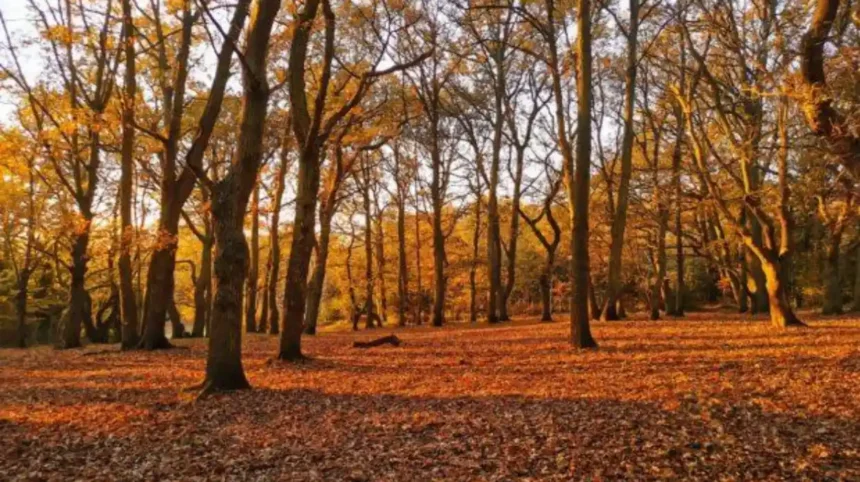
Lambeth’s urban wildlife offers visitors an opportunity to explore London’s natural environment through ancient woodlands, nature reserves, wildflower meadows, wetlands, community gardens and public parks. Located in South London, the London Borough of Lambeth combines densely populated neighbourhoods with green spaces that support birds, mammals, insects, trees and native plants.
- What Does Urban Wildlife Mean in Lambeth?
- Which Places in Lambeth Offer the Best Opportunities to Discover Wildlife?
- 1. Streatham Common
- 2. Brockwell Park
- 3. Norwood Park
- 4. Unigate Wood
- 5. Eardley Road Sidings
- 6. Palace Road Nature Garden
- What Animals Can Visitors See in Lambeth?
- How Does the Great North Wood Influence Lambeth’s Wildlife?
- Where Can Visitors Discover Pollinators and Wildflower Habitats?
- Can Visitors Discover Wildlife in Lambeth’s Small Community Gardens?
- What Role Do Ponds, Streams and Wetlands Play in Lambeth’s Biodiversity?
- When Is the Best Time to Observe Wildlife in Lambeth?
- How Can Visitors Explore Lambeth’s Wildlife Responsibly?
- Avoid Disturbing Birds and Mammals
- Protect Woodland Habitats
- Stay on Designated Paths
- Avoid Feeding Wild Animals
- Keep Dogs Under Control
- How Does Lambeth Protect Its Urban Wildlife?
- Sites of Importance for Nature Conservation
- Local Nature Reserves
- Biodiversity Action Planning
- Community Conservation Projects
- What Challenges Affect Wildlife and Biodiversity in Lambeth?
- What Can Visitors Learn About the Future of Urban Wildlife in Lambeth?
- Why Should Urban Wildlife Be Part of a Visit to Lambeth?
The borough’s biodiversity is not restricted to large parks. Wildlife habitats also exist along railway corridors, roadside verges, residential gardens, ponds and small community-managed green spaces. These connected environments provide food, shelter and breeding opportunities for wildlife in an otherwise heavily developed urban landscape.
According to Lambeth Council, the borough has 49 Sites of Importance for Nature Conservation (SINCs). These are designated locations recognised for their contribution to local and regional biodiversity. Lambeth also has six Local Nature Reserves, including Streatham Common, Unigate Wood and Norwood Park.
For visitors, these locations provide opportunities to observe wildlife, understand urban conservation and discover a different side of South London.
What Does Urban Wildlife Mean in Lambeth?
Urban wildlife refers to animals, plants, fungi and other living organisms that survive within developed environments. In Lambeth, it includes garden birds, foxes, bats, butterflies, pollinating insects, woodland plants and aquatic organisms supported by parks, gardens, wetlands and connected green spaces.
Urban wildlife describes the natural biodiversity that exists alongside buildings, roads, railway lines, residential neighbourhoods and commercial districts. It includes species that have adapted to human activity and those that depend on carefully maintained natural habitats.
Lambeth provides an interesting example of urban biodiversity because its landscape contains both densely developed districts and established green spaces. Areas such as Brixton, Vauxhall, Streatham, Herne Hill and West Norwood have different combinations of gardens, parks, mature trees and open land.
Wildlife uses these environments for several essential purposes. Birds find nesting locations in trees and hedges. Insects collect nectar and pollen from flowering plants. Small mammals use woodland edges and areas of vegetation for shelter. Bats depend on suitable roosting locations and insect-rich feeding grounds.
How Does Urban Biodiversity Work?
Urban biodiversity depends on the availability and connection of suitable habitats. A single park provides food and shelter, but a wider network of gardens, hedgerows, ponds and green corridors allows wildlife to move between different locations.
This network is particularly important in a borough such as Lambeth, where buildings and transport infrastructure divide the landscape.
The borough’s biodiversity strategy recognises the importance of protecting habitats and improving ecological connections. Lambeth Council’s Biodiversity Action Plan identifies local habitats, conservation areas and measures for improving wildlife protection.
Why Is Lambeth Important for Urban Wildlife?
Lambeth’s importance comes from its variety of habitats rather than one particular wildlife attraction. Its ancient woodland remnants, acid grassland, ponds, meadows and community nature gardens support different ecological communities.
The borough’s 49 SINCs demonstrate the recognised conservation value of these locations. Their designations help identify areas that deserve consideration in local planning and environmental management.
For visitors, this means wildlife discovery does not require travelling outside London. Natural habitats exist within walking distance of residential streets, transport connections and popular visitor destinations.
Which Places in Lambeth Offer the Best Opportunities to Discover Wildlife?
Visitors can discover wildlife across several recognised nature sites in Lambeth, including Streatham Common, Brockwell Park, Norwood Park, Unigate Wood, Eardley Road Sidings and Palace Road Nature Garden. Each location provides different habitats for observing birds, insects, plants and small mammals.
Lambeth’s green spaces vary considerably in size, vegetation and conservation value. Some contain extensive woodland and grassland, while others provide smaller habitats within residential neighbourhoods.
The following locations offer particularly useful opportunities to explore the borough’s natural environment.
1. Streatham Common
Streatham Common is one of Lambeth’s most important natural spaces. It contains woodland, grassland, meadows, streams and open areas.
More than 50% of Streatham Common is designated as a Local Nature Reserve. Lambeth Council first declared it a reserve in 2013 under the National Parks and Access to the Countryside Act 1949.
Its habitats support different forms of wildlife throughout the year. Woodland areas provide shelter for birds and small mammals, while grassland and flowering vegetation offer feeding opportunities for insects.
The Common also forms part of the wider Great North Wood landscape. Visitors can explore its natural environment through walking routes and guided activities organised with local conservation groups.
2. Brockwell Park
Brockwell Park combines historic landscaping with valuable natural habitats. Its landscape includes ponds, mature trees, ancient oaks, meadows and a historic walled garden.
The park is recognised as a Borough Site of Importance for Nature Conservation. This designation reflects its contribution to wildlife conservation and public access to nature.
Ponds provide aquatic habitats and attract birds that depend on water and wetland vegetation. Mature trees offer nesting and feeding locations, while grassland and planted areas support insects and other invertebrates.
Visitors can combine wildlife observation with a walk around Brockwell Hall, the historic gardens and the wider park landscape.
Brockwell Park officially opened to the public in 1892. Its historic development is closely connected with the transformation of private landscaped grounds into a public recreational space.
3. Norwood Park
Norwood Park offers another opportunity to explore Lambeth’s relationship with the Great North Wood.
The park contains mature trees, planted hedges and species-rich meadow grassland. These habitats provide resources for insects, birds and other wildlife.
Conservation improvements have included additional tree and hedge planting and the expansion of species-rich grassland around park boundaries.
Norwood Park was formally declared a Local Nature Reserve on 3 March 2023. It is also a Borough Site of Importance for Nature Conservation.
Visitors can explore the park’s open landscape while observing changes in vegetation and wildlife activity between seasons.
4. Unigate Wood
Unigate Wood is particularly valuable for visitors interested in woodland wildlife.
This Local Nature Reserve contains mature and semi-mature trees, including ash, oak and hawthorn. Other trees include grey poplar, black poplar, horse chestnut, pear and plum.
Its recorded wildlife includes woodpeckers, blackbirds, song thrushes, mistle thrushes, greenfinches, robins and wrens.
Grey squirrels, shrews, bank voles and foxes also use the woodland and grassland. Bats and stag beetles are important protected species associated with the site.
Unigate Wood was formally declared a Local Nature Reserve on 10 March 2022. The location also supports educational activities and community volunteering.
5. Eardley Road Sidings
Eardley Road Sidings demonstrates how abandoned railway infrastructure develops into a valuable wildlife habitat.
The site occupies land previously used for railway sidings, depot yards and repair buildings associated with the London, Brighton and South Coast Railway.
Railway operations gradually declined, and the site was abandoned during the 1960s. Its grassland and woodland subsequently became important for wild plants, insects, trees and mammals.
More than 33 species of wild birds have been recorded at Eardley Road Sidings. This makes it a particularly interesting location for visitors who enjoy birdwatching and learning about ecological regeneration.
Its history also demonstrates how former industrial land contributes to modern urban biodiversity.
6. Palace Road Nature Garden
Palace Road Nature Garden offers a smaller natural environment within an established residential area.
Its features include woodland paths, a summer-flowering meadow and an orchard. These elements provide different resources for wildlife while creating an accessible community green space.
The garden became one of Lambeth’s six Local Nature Reserves in October 2025. It also holds a Site of Importance for Nature Conservation designation.
Visitors interested in smaller urban habitats can observe how planted areas, trees and flowering vegetation support biodiversity within neighbourhood settings.
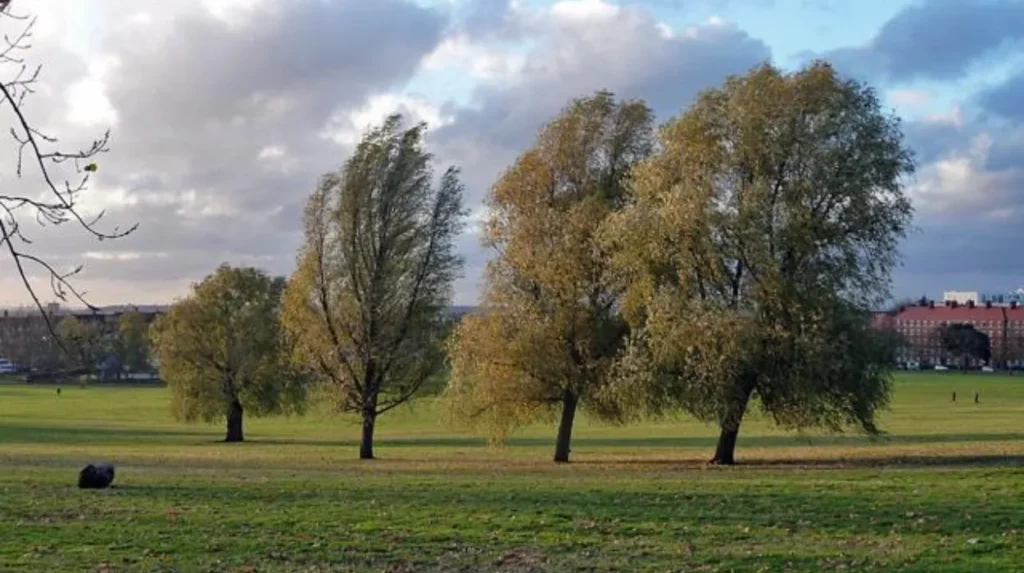
What Animals Can Visitors See in Lambeth?
Lambeth supports several groups of urban wildlife, including garden birds, woodland birds, foxes, grey squirrels, bats, shrews, bank voles, butterflies and beetles. Their distribution depends on habitat conditions, vegetation, available food and the level of human disturbance.
Wildlife observation in Lambeth focuses on understanding which species use particular environments. Woodland, grassland, ponds and residential gardens each provide different ecological conditions.
Birds in Lambeth’s Parks and Woodlands
Birds are among the easiest forms of wildlife for visitors to observe.
Unigate Wood provides documented records of several woodland and garden bird species, including:
- Woodpeckers: Birds that search tree trunks and branches for insects.
- Blackbirds: Common garden birds that feed on worms, fruit and insects.
- Robins: Small birds frequently associated with woodland edges and gardens.
- Greenfinches: Seed-eating birds that use trees, hedges and gardens.
- Song thrushes: Birds recognised for their repeated musical calls.
Visitors should look towards mature trees, woodland edges and hedgerows. Early mornings generally provide useful opportunities to hear bird calls and observe feeding activity.
Mammals and Small Wildlife
Lambeth’s woodland habitats also support mammals.
Foxes use urban green spaces for movement, shelter and access to food. Grey squirrels are frequently associated with mature trees and parks.
Unigate Wood records additional mammals, including shrews and bank voles. These smaller animals usually remain hidden within vegetation, leaf litter and woodland habitats.
Bats also use suitable green spaces for feeding. They consume insects and are particularly associated with areas where food sources and suitable roosting locations are available.
Visitors should observe mammals without attempting to feed, touch or approach them.
Insects, Butterflies and Beetles
Insects are essential to Lambeth’s urban biodiversity because they support pollination, food chains and the natural decomposition of organic material.
Important examples include:
- Bumblebees: Pollinating insects that collect nectar and pollen.
- Butterflies: Insects that depend on suitable flowering plants and caterpillar food plants.
- Hoverflies: Insects that visit flowers and contribute to pollination.
- Stag beetles: Large beetles whose larvae develop in decaying wood.
Knight’s Hill Wood provides an especially interesting example of woodland insect habitat. Its dead wood and tree stumps support fungi and insects, including stag beetle larvae. The larvae develop in decomposing wood for up to seven years before emerging as adults.
Stag beetles receive legal protection in the United Kingdom, making the conservation of suitable woodland habitats important.
How Does the Great North Wood Influence Lambeth’s Wildlife?
The Great North Wood is a historic woodland landscape that once covered extensive parts of South London. Its surviving woodland fragments, including habitats around Streatham, help maintain ecological connections and provide food, shelter and breeding environments for urban wildlife.
The Great North Wood was historically an extensive wooded landscape stretching from Deptford towards Selhurst.
It provided timber, charcoal and oak bark for local industries. Oak bark was particularly valuable for leather tanning.
Urban development, changing land use and the declining commercial importance of woodland products gradually reduced its size. Remaining fragments now form part of South London’s green infrastructure.
Lambeth’s connection with the Great North Wood is particularly visible around Streatham Common, Norwood Park and Unigate Wood.
Between 2019 and 2023, London Wildlife Trust worked with Lambeth Council on projects at these locations. The programme included conservation activities, community engagement, improved signage, volunteering opportunities and guided walks.
The work received support from the National Lottery Heritage Fund and the UK Government’s Green Recovery Challenge Fund.
What Can Visitors Learn from This Woodland Heritage?
The Great North Wood demonstrates the relationship between historical land use and present-day biodiversity.
Visitors can understand how ancient woodland fragments survive within modern urban neighbourhoods. They can also observe how conservation organisations maintain woodland vegetation and improve public access.
As you explore Lambeth’s surviving woodland landscapes, you are also crossing land shaped by centuries of local development. Explore the full [History of Lambeth’s Historic Neighbourhoods and Their Development] to understand how the borough’s landscape evolved from historic settlements and woodland into today’s urban environment.
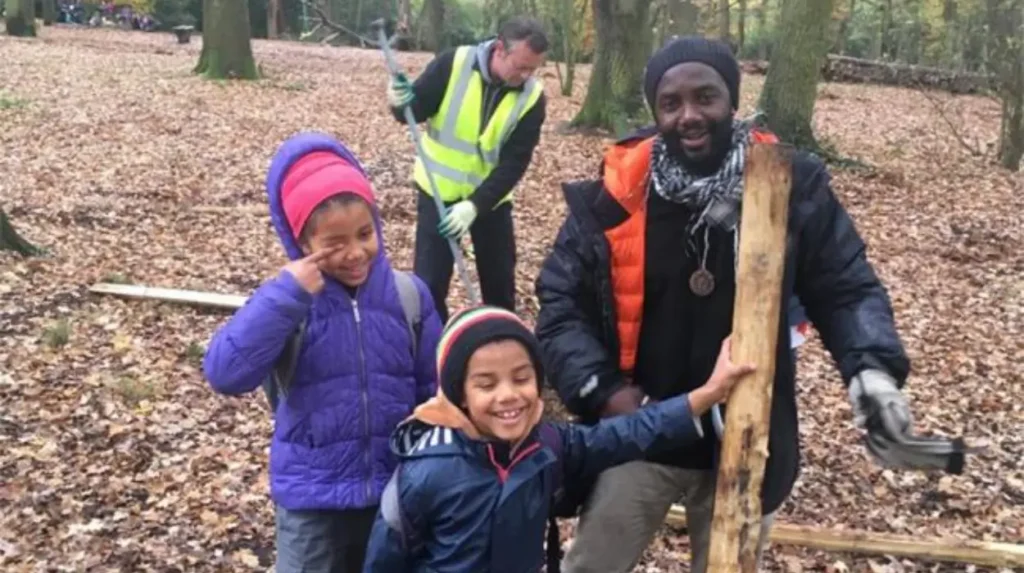
Where Can Visitors Discover Pollinators and Wildflower Habitats?
Visitors can explore pollinator habitats in Lambeth’s meadows, community gardens, roadside verges, woodland edges and parks. These environments support bees, butterflies, hoverflies and other insects through flowering plants that provide nectar, pollen, shelter and breeding resources.
Pollinators are animals that transfer pollen between flowers, supporting the reproduction of flowering plants. Bees, butterflies, moths and hoverflies are familiar examples.
Lambeth’s Pollinator Action Plan recognises the importance of these organisms in maintaining healthy ecosystems.
What Are Lambeth Bee Roads?
Lambeth Bee Roads is a council initiative designed to improve roadside green spaces for wildlife and people.
The scheme develops connected habitats through wildflower-rich road verges, meadows, hedges and rain gardens. It also involves local residents and community organisations in improving urban green spaces.
The initiative began in 2022 with funding from the Mayor of London’s Green and Resilient Spaces Fund.
Its purpose is to create better feeding and shelter opportunities for pollinating insects while improving connections between parks, gardens and other habitats.
Lambeth Council has also committed to managing 30% of public open spaces and waterways for wildlife by 2030 as part of its Climate Action Plan.
Why Are Wildflower Meadows Important?
Wildflower meadows provide food for pollinating insects throughout flowering periods. Different plant species flower at different times, helping extend the availability of nectar and pollen.
Meadows also support other invertebrates, which become food for birds and small mammals.
Visitors can explore flowering grassland at Streatham Common, Norwood Park and other green spaces. The best observations usually come from watching flowers carefully rather than walking through vegetation.
Can Visitors Discover Wildlife in Lambeth’s Small Community Gardens?
Yes. Lambeth’s smaller community gardens provide valuable habitats within densely developed neighbourhoods. Spaces such as Sunnyhill Nature Garden and Lambeth Walk Doorstep Green demonstrate how locally managed vegetation, wildlife gardens and educational projects support urban biodiversity.
Large parks are not the only locations where visitors can discover nature. Small green spaces also contribute to biodiversity by providing flowering plants, trees, nesting opportunities and insect habitats.
Sunnyhill Nature Garden
Sunnyhill Nature Garden is located above a railway tunnel between Tulse Hill and Streatham.
The site was originally neglected scrubland. It was transformed into an accessible community nature garden with support from the Mayor of London’s Growing Back Greener urban regeneration programme.
The garden is managed with local residents and Streatham Common Cooperative through the Sunnyhill Nature Garden Umbrella Group.
Its purpose includes wildlife conservation and environmental education. Schools and local residents use the garden as a place to learn about nature.
Lambeth Walk Doorstep Green
Lambeth Walk Doorstep Green provides an example of urban wildlife conservation in central Lambeth.
Part of this green space is managed as a dedicated wildlife garden by Roots & Shoots, a charity focused on vocational training, environmental education and nature conservation.
The organisation’s work combines habitat improvement with opportunities for local people to develop environmental knowledge and practical skills.
This location demonstrates how even relatively small green spaces contribute to the wider ecological network of London.
What Role Do Ponds, Streams and Wetlands Play in Lambeth’s Biodiversity?
Ponds, streams and wetland habitats support urban biodiversity by providing water, feeding opportunities and shelter for wildlife. In Lambeth, these environments complement woodland and grassland habitats, supporting aquatic organisms, insects, birds and water-dependent plants.
Water habitats perform several ecological functions. They provide breeding environments for aquatic organisms, attract birds and support insects that spend part of their life cycle in water.
Brockwell Park contains ponds that contribute to its ecological value. The surrounding trees, vegetation and open spaces create a combination of habitats for different wildlife species.
Wetland vegetation also helps support insects and provides cover for smaller organisms. These food sources contribute to wider urban food chains.
How Do Wetlands Support Urban Wildlife?
Wetlands provide three important ecological resources:
- Water: Essential for the survival of aquatic organisms and other wildlife.
- Vegetation: Provides shelter, breeding locations and food.
- Invertebrates: Supports insects and other small organisms that become food for birds and other animals.
Lambeth’s environmental strategy recognises the importance of maintaining different habitats, including wetlands, woodland, meadows and areas of standing or moving water.
Visitors should avoid disturbing pond vegetation, feeding wildlife with unsuitable food or entering protected habitat areas.
When Is the Best Time to Observe Wildlife in Lambeth?
Spring and summer generally provide the greatest variety of visible wildlife activity in Lambeth because birds breed, plants flower and pollinating insects become more active. Autumn offers opportunities to observe seasonal feeding, while winter reveals woodland birds and changes in vegetation.
Wildlife observation depends on weather, daylight, habitat conditions and seasonal behaviour. Different times of year provide different experiences.
Spring: March to May
Spring is an important period for urban wildlife.
Trees and flowering plants begin producing new growth. Birds become more active during breeding season, while bees and other pollinators visit newly available flowers.
Streatham Common, Brockwell Park and Norwood Park offer opportunities to observe changing vegetation and bird activity.
Summer: June to August
Summer provides good conditions for observing pollinating insects.
Wildflower meadows attract butterflies, bees and hoverflies. Woodland paths offer opportunities to observe birds and other animals using shaded habitats.
Visitors should pay particular attention to flowering plants and meadow edges.
Autumn: September to November
Autumn changes the appearance of Lambeth’s woodland habitats.
Trees lose their leaves, and fallen vegetation creates additional habitat for decomposers and invertebrates. Birds also use green spaces to search for food.
Woodland walks around Unigate Wood and Streatham Common provide opportunities to observe seasonal environmental changes.
Winter: December to February
Reduced vegetation improves visibility in some woodland areas. Birds remain important subjects for observation, while mature trees and woodland structures become more visible.
Visitors should remember that some wildlife remains hidden or less active during colder weather.
How Can Visitors Explore Lambeth’s Wildlife Responsibly?
Responsible wildlife observation means watching animals without disturbing their natural behaviour or damaging their habitats. Visitors should remain on public paths, avoid touching wildlife, keep dogs under control, protect vegetation and follow local conservation guidance.
Urban nature reserves are living ecosystems rather than conventional visitor attractions. Their conservation depends on people using the spaces carefully.
The following practices help protect Lambeth’s wildlife.
Avoid Disturbing Birds and Mammals
Visitors should maintain a suitable distance from nesting birds, foxes, squirrels and other animals.
Approaching wildlife for photographs can cause unnecessary stress. Using a camera zoom or binoculars provides better opportunities for observation without physical disturbance.
Protect Woodland Habitats
Dead wood, fallen leaves and tree stumps provide important ecological resources.
Knight’s Hill Wood demonstrates how decomposing wood supports fungi, insects and stag beetle larvae.
Visitors should avoid removing branches, collecting beetles or disturbing natural woodland material.
Stay on Designated Paths
Walking through meadows and woodland vegetation damages plants and disturbs insects.
Using established paths protects sensitive areas while allowing visitors to explore the environment.
Avoid Feeding Wild Animals
Feeding wild animals changes their natural behaviour and can introduce unsuitable food into their diets.
Visitors should avoid offering bread, processed food or other inappropriate items to birds and mammals.
Keep Dogs Under Control
Dogs can disturb nesting birds and other wildlife, particularly during breeding periods.
Visitors should follow local rules, use designated paths and prevent dogs from entering sensitive conservation areas.
How Does Lambeth Protect Its Urban Wildlife?
Lambeth protects biodiversity through nature reserve designations, conservation planning, habitat restoration, pollinator initiatives and community participation. Lambeth Council works with environmental organisations and local residents to maintain green spaces and improve ecological conditions across the borough.
Wildlife conservation requires coordinated management because urban habitats face pressure from development, pollution, climate change and recreational use.
Lambeth uses several approaches to protect its natural environment.
Sites of Importance for Nature Conservation
Sites of Importance for Nature Conservation, commonly known as SINCs, are areas recognised for their wildlife value.
London boroughs identify these sites to help protect important habitats and inform decisions about land use and environmental management.
Lambeth currently identifies 49 SINCs. These include locations with local, borough and metropolitan conservation importance.
Their designation recognises the value of habitats for biodiversity and public access to nature.
Local Nature Reserves
A Local Nature Reserve is a formally designated location that provides opportunities for nature conservation, environmental education and public enjoyment.
Lambeth has six Local Nature Reserves.
Examples include:
- Streatham Common, declared in 2013.
- Unigate Wood, declared in 2022.
- Norwood Park, declared in 2023.
- Palace Road Nature Garden, declared in October 2025.
These designations help recognise and protect important local habitats.
Biodiversity Action Planning
Lambeth’s Biodiversity Action Plan provides a framework for understanding and improving the borough’s natural environment.
The council also publishes environmental action information under the Environment Act 2021.
Section 102 strengthens local authority duties relating to biodiversity conservation. Section 103 requires regular reporting on actions taken to fulfil these duties.
These measures connect local environmental management with wider national biodiversity objectives.
Community Conservation Projects
Community organisations contribute to habitat management, environmental education and volunteering.
Examples include:
- London Wildlife Trust, which supports nature conservation projects.
- Friends of Streatham Common, which supports local environmental management.
- Streatham Common Cooperative, which helps manage green spaces and community activities.
- Roots & Shoots, which combines environmental education with nature conservation.
These partnerships demonstrate how residents and environmental organisations contribute to the protection of urban wildlife.
Explore More Area Guide
Best Lambeth Parks for Outdoor Recreation and Activities
Where to Explore Lambeth’s Waterways and Riverside Walks
What Challenges Affect Wildlife and Biodiversity in Lambeth?
Lambeth’s urban wildlife faces pressures from habitat fragmentation, construction, pollution, climate change, invasive species and recreational disturbance. Protecting connected habitats, maintaining mature trees and improving green infrastructure are essential for supporting biodiversity across the borough.
Urban development changes the availability and quality of natural habitats.
Although Lambeth contains valuable green spaces, wildlife populations depend on suitable conditions beyond the boundaries of individual parks.
Habitat Fragmentation
Habitat fragmentation occurs when continuous natural environments become divided into smaller isolated areas.
Roads, buildings and other infrastructure can restrict wildlife movement.
Lambeth’s Bee Roads initiative addresses part of this challenge by improving connections between parks, gardens, meadows and other green spaces.
Pollution and Environmental Pressure
Air pollution, litter and contaminated water affect urban ecosystems.
Plastic waste and other discarded materials can harm animals. Pollution also affects the quality of habitats used by aquatic organisms and insects.
Responsible waste disposal and effective environmental management help reduce these pressures.
Climate Change
Changing temperatures and rainfall patterns affect wildlife feeding, breeding and seasonal activity.
Heatwaves place additional pressure on urban vegetation, while heavy rainfall can affect vulnerable habitats.
Trees, wetlands and green spaces provide environmental benefits by supporting natural processes and improving urban resilience.
Loss of Natural Vegetation
Intensive landscaping can reduce the availability of flowering plants, nesting locations and natural shelter.
Wildflower meadows, hedgerows and mature trees provide important resources for biodiversity.
Conservation projects that retain these features help maintain suitable habitats within developed neighbourhoods.
What Can Visitors Learn About the Future of Urban Wildlife in Lambeth?
The future of Lambeth’s urban wildlife depends on protecting existing nature reserves, improving green corridors, expanding pollinator habitats and involving local communities in conservation. Long-term biodiversity management will help wildlife remain part of South London’s developing urban environment.
Lambeth’s environmental initiatives demonstrate that wildlife conservation is an ongoing responsibility.
The council’s commitment to managing 30% of public open spaces and waterways for wildlife by 2030 provides a measurable direction for improving habitat management.
The Lambeth Pollinator Action Plan also focuses on securing better conditions for insects and other invertebrates that support plant reproduction.
These priorities are particularly relevant as urban development continues to place pressure on available green space.
How Can Visitors Support Future Conservation?
Visitors can contribute to conservation by respecting local habitats and supporting organisations that manage green spaces.
Practical activities include joining guided nature walks, participating in organised volunteering sessions, learning to identify local species and reporting wildlife observations.
Greenspace Information for Greater London (GiGL) is London’s environmental records centre. It collects and shares information about the capital’s natural environment.
Lambeth Council also directs residents towards GiGL resources for submitting wildlife sightings and accessing local biodiversity information.
Accurate wildlife records help conservation organisations understand where species occur and how habitats change over time.
Why Should Urban Wildlife Be Part of a Visit to Lambeth?
Lambeth’s urban wildlife gives visitors a practical way to understand London’s natural heritage, conservation priorities and environmental diversity. Its parks, woodlands, nature reserves and community gardens demonstrate how wildlife survives and develops within a modern metropolitan borough.
Wildlife exploration adds an environmental dimension to visiting South London. Instead of focusing exclusively on historic buildings, shopping streets and cultural attractions, visitors can explore the natural environments that contribute to Lambeth’s character.
Streatham Common offers woodland and grassland habitats. Brockwell Park combines ponds, mature trees and historic landscaping. Unigate Wood provides opportunities to understand woodland biodiversity, while Eardley Road Sidings demonstrates how former industrial land supports wildlife.
Smaller locations such as Sunnyhill Nature Garden and Lambeth Walk Doorstep Green show how community-led projects improve urban habitats.
These locations also provide opportunities for families, nature enthusiasts, photographers, students and visitors interested in environmental education.
Lambeth’s biodiversity is therefore an important part of its wider identity. Protecting these habitats supports wildlife while maintaining accessible natural spaces for future generations.
Where can visitors see wildlife in Lambeth?
Visitors can explore wildlife at Streatham Common, Brockwell Park, Norwood Park, Unigate Wood, Eardley Road Sidings and Palace Road Nature Garden.