Lambeth, in South London, offers a distinctive museum experience through its specialist collections, cultural heritage, social history and interactive exhibitions. Its museums explore subjects ranging from cinema and theatre to migration, local communities, childhood and the history of London.
- What Makes Lambeth an Important Museum Destination in South London?
- Which Museums in Lambeth Offer the Most Distinctive Visitor Experiences?
- 1. Garden Museum
- 2. Florence Nightingale Museum
- 3. The Cinema Museum
- 4. Imperial War Museum London
- 5. Black Cultural Archives
- 6. 575 Wandsworth Road
- 7. Lambeth Archives
- How Do Lambeth Museums Preserve Local History and Cultural Heritage?
- How Are Historical Objects Preserved?
- Why Are Archives Important for Understanding Lambeth?
- How Do Museums Connect Local History with National History?
- Which Lambeth Museums Are Best for Families, Students and Educational Visits?
- Which Museums Are Suitable for Families?
- Which Museums Are Useful for Students?
- How Can Teachers Organise Museum Visits?
- How Can Visitors Plan a Museum Tour Around Lambeth?
- What Is the Best Route for Exploring South Bank Museums?
- How Can Visitors Explore Kennington and Brixton?
- How Much Time Should Visitors Allocate?
- What Other Attractions Can Visitors Combine with Lambeth Museums?
- Can Visitors Explore Lambeth Palace and the River Thames?
- What Can Visitors Discover Around Brixton?
- Are There Historic Buildings Near Lambeth’s Museums?
- What Should Visitors Know About Museum Accessibility and Admission?
- Which Museums Offer Free Admission?
- Do Visitors Need to Book in Advance?
- Are Lambeth Museums Accessible by Public Transport?
- Why Are Lambeth Museums Important for the Future of Cultural Tourism?
- How Do Museums Support Local Communities?
- How Can Digital Technology Improve Museum Experiences?
- What Is the Long-Term Value of Lambeth’s Museum Collections?
- Which Lambeth Museums Should Visitors Prioritise?
Unlike museums that focus on a single period of national history, Lambeth’s cultural attractions provide visitors with opportunities to understand how different communities, industries and creative traditions have shaped the capital. The borough also connects museum visits with historic streets, riverside locations, public gardens and cultural landmarks.
For tourists, Lambeth museums provide educational attractions and indoor activities throughout the year. Residents benefit from access to local history and community exhibitions. Business travellers and digital nomads also have opportunities to explore the borough’s cultural attractions during their free time.
What Makes Lambeth an Important Museum Destination in South London?
Lambeth is an important museum destination because it combines specialist collections, local heritage, performing arts history and community culture. Its museums preserve objects and stories that explain London’s development, creative industries and changing social identity.
Lambeth occupies a significant position in South London’s cultural landscape. The borough stretches from the River Thames towards neighbourhoods including Brixton, Streatham, Clapham, Kennington, Vauxhall and Norwood.
Its cultural identity reflects several centuries of urban development. Historic riverside communities, industrial activity, entertainment venues, religious institutions and migration have influenced the area’s character.
Museums in Lambeth preserve different aspects of this history. Some concentrate on specialist subjects, while others explore the experiences of particular communities or the development of London’s cultural industries.
The borough’s museum attractions also serve different audiences. Families benefit from educational displays and interactive activities. Students access historical collections for research. Tourists discover subjects that traditional sightseeing itineraries often overlook.
How Does Lambeth’s History Influence Its Museums?
Lambeth’s museum collections reflect its development from historic riverside settlements into a diverse metropolitan borough. Its relationship with the Thames influenced trade, transport, employment and settlement.
During the nineteenth century, industrial expansion and population growth transformed several neighbourhoods. Brixton developed into an important commercial and residential centre. Vauxhall became associated with entertainment and transport. Kennington retained significant historic buildings and public spaces.
The twentieth century brought further changes through migration, manufacturing decline, redevelopment and the growth of creative industries.
These developments created a varied cultural heritage. Museums preserve evidence of everyday life, artistic production, entertainment, technology and community identity.
Visitors exploring these collections gain a wider understanding of how South London developed. Museum exhibitions also connect local experiences with broader national and international events.
Which Museums in Lambeth Offer the Most Distinctive Visitor Experiences?
Lambeth’s distinctive museums include the Garden Museum, Florence Nightingale Museum, Cinema Museum, Imperial War Museum London and Black Cultural Archives. Each explores a different subject through historic objects, specialist exhibitions, educational displays and cultural collections.
The strongest museum choices depend on the subjects visitors want to explore. The Garden Museum focuses on horticulture and design. The Florence Nightingale Museum examines healthcare history. The Cinema Museum preserves Britain’s cinema-going heritage. The Imperial War Museum documents conflict and its effects on society. Black Cultural Archives preserves the history of African and Caribbean people in Britain.
These attractions provide different ways to understand London’s cultural and historical development.
1. Garden Museum
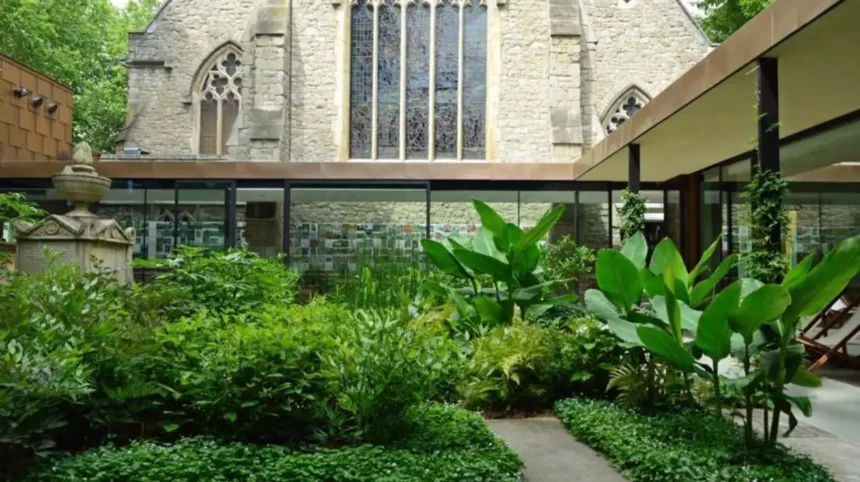
The Garden Museum is one of Britain’s specialist museums dedicated to the art, history and design of gardens. It occupies the former St Mary-at-Lambeth Church, beside Lambeth Palace and close to the River Thames.
Its collections examine the development of British gardening from the sixteenth century to the present. Visitors discover historical gardening equipment, botanical illustrations, design records and objects connected with influential gardeners.
The museum also explores the relationship between gardening and wider subjects. These include architecture, plant science, sustainability, food production and environmental wellbeing.
What makes the Garden Museum unique?
Its historic building and specialist subject create an experience that combines architectural heritage with horticultural education. The museum’s permanent collection includes material about garden designers such as Gertrude Jekyll and Humphry Repton.
The Wolfson Ark Gallery also explores John Tradescant the Elder (c.1580–1638), a gardener and collector associated with the development of Britain’s early public museum tradition. His collection, known as the Ark, became the foundation of the Ashmolean Museum collection at Oxford after its transfer in 1683.
The museum displays objects connected with this collecting history through loans from Oxford institutions.
What can families and garden enthusiasts explore?
Visitors can explore the museum’s collection galleries, temporary exhibitions, courtyard garden and educational activities. Its free Nave space hosts selected exhibitions, talks and family activities.
The museum also operates an Archive of Garden Design, preserving working records from British garden designers.
The Garden Museum is particularly suitable for visitors interested in gardening, landscape architecture, British heritage and environmental education.
Visitor information: The museum is at Lambeth Palace Road, London, SE1 7LB. Its published admission prices include £16 for adults, £13 for senior citizens and £9 for children aged 7–18. Children aged six and under enter free. It is generally open Tuesday to Sunday, with different closing times across weekdays and weekends. Visitors should check the official website before travelling.
2. Florence Nightingale Museum
The Florence Nightingale Museum explores the life, achievements and lasting influence of Florence Nightingale (1820–1910). She was a British nurse, social reformer and healthcare pioneer who helped establish professional nursing as an organised occupation.
The museum is located within the grounds of St Thomas’ Hospital on Lambeth Palace Road. Its location connects the exhibitions with the history of British healthcare and hospital development.
What makes the Florence Nightingale Museum different?
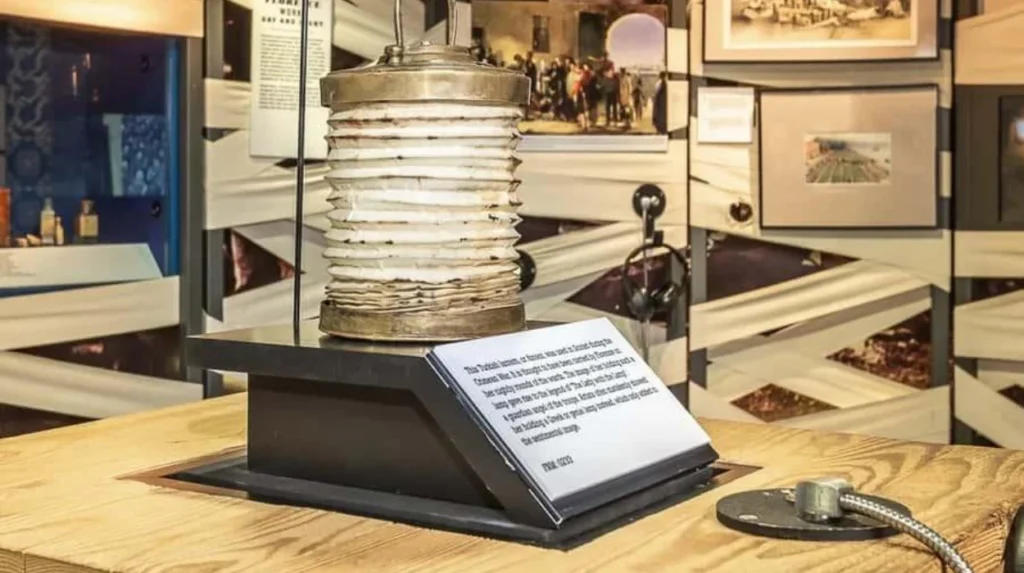
The museum combines personal objects, historical documents and interactive interpretation to explain the development of modern nursing. Its collection includes Nightingale’s lamp, medicine chest, personal belongings and material associated with her work during the Crimean War.
The Crimean War lasted from 1853 to 1856. Nightingale became internationally recognised for her nursing work at the British military hospital in Scutari, now part of Istanbul, Türkiye.
Her work also influenced hospital sanitation, nursing education and public health reform.
The museum explores her life beyond the familiar image of the Lady with the Lamp. Visitors learn about her childhood, professional achievements, statistical work and campaigns for healthcare improvements.
Which educational experiences are available?
The museum provides educational opportunities for school groups, families, healthcare students and visitors interested in medical history.
Its exhibitions explain how nursing developed into a recognised profession. They also introduce the contributions of other important nurses, including Mary Seacole (1805–1881), a Jamaican-born British nurse and businesswoman who provided care during the Crimean War.
The museum’s interpretation connects historical healthcare practices with contemporary nursing and international public health.
Visitor information: The museum is at St Thomas’ Hospital, 2 Lambeth Palace Road, London, SE1 7EP. Published opening hours are Tuesday to Sunday, 10am–5pm, with last entry at 4.30pm. Its official visitor information lists adult admission at £12, student admission at £7 and child admission at £6 for ages 5–16. A typical visit takes approximately 45–75 minutes.
3. The Cinema Museum
The Cinema Museum in Kennington preserves objects and memorabilia associated with the history of cinema-going in Britain. Its collection focuses on the experience of visiting cinemas, the development of film exhibition and the material culture of movie theatres.
The museum provides a specialist alternative to conventional film exhibitions. Its displays connect cinema technology with the social experience of watching films in public venues.
What makes the Cinema Museum a unique attraction?
Its collection documents the development of British cinemas through historical equipment, photographs, posters, uniforms, furniture and other objects.
Visitors gain an understanding of how cinemas operated before digital projection and modern multiplex buildings became widespread.
The museum also explores the work of cinema employees, including projectionists, ushers and ticket sellers. These roles formed an important part of the traditional cinema experience.
Its collection connects technological changes with the cultural importance of local picture houses.
Can visitors experience historic cinema culture?
The museum offers guided tours that introduce its collections and explain the history of cinema exhibition. Tours last approximately two hours and include a screening of around 30 minutes of short films.
This format gives visitors an opportunity to understand historical cinema equipment and the development of film presentation.
The museum also supports educational activities and research access to its collections. Schools, community groups and researchers can contact the institution about suitable programmes.
Visitor information: The Cinema Museum is located at 2 Dugard Way, London, SE11 4TH, close to Elephant and Castle. It does not operate regular public opening hours. Visitors must book a guided tour to access the collection. Its published tour prices include £15 for adults and £12 for concessionary tickets.
4. Imperial War Museum London
The Imperial War Museum London (IWM London) examines the history of modern conflict and its impact on individuals, communities and countries. Located on Lambeth Road, it is one of London’s major museums dedicated to military and social history.
Its collections cover the First World War, Second World War and conflicts extending into the twenty-first century. The museum also examines the experiences of civilians, armed forces personnel, refugees and people affected by warfare.
What makes IWM London different from other history museums?
Its exhibitions combine military objects with personal accounts, photographs, documents, film and interactive interpretation. This approach explains how conflict influences everyday life as well as military operations.
The First World War Galleries explore the experiences of soldiers and civilians between 1914 and 1918. They include material about life in the trenches, military equipment and the wartime home front.
The Holocaust Galleries document the persecution and murder of European Jews by Nazi Germany and its collaborators. They use historical evidence and personal testimonies to explain the Holocaust and its consequences.
The museum also presents the Blavatnik Art, Film and Photography Galleries, which examine the relationship between conflict, visual culture and historical documentation.
What educational opportunities does the museum provide?
IWM London supports historical learning through exhibitions, educational resources, events and specialist interpretation.
Students can investigate the causes and consequences of modern conflicts. Families can explore large-scale military objects and displays that explain wartime experiences.
Researchers also benefit from the museum’s extensive collections and historical resources.
The museum’s exhibitions encourage visitors to examine the relationship between political decisions, military action and civilian experiences.
Visitor information: IWM London is situated at Lambeth Road, London, SE1 6HZ. General admission is free. Special exhibitions and selected events sometimes require paid tickets. Published visitor information lists opening hours as 10am–6pm daily, except 24–26 December. Visitors should check the museum’s official website for exhibition availability.
5. Black Cultural Archives
Black Cultural Archives (BCA) is a specialist heritage institution in Brixton dedicated to preserving and celebrating the histories of African and Caribbean people in Britain. Its work addresses an important part of British social history that is often underrepresented in traditional historical collections.
The institution is based at 1 Windrush Square, close to Brixton’s commercial centre and cultural attractions.
Why is Black Cultural Archives an important cultural institution?
BCA preserves historical records, photographs, documents and personal collections that explain the experiences and contributions of Black communities in Britain.
Its collections cover migration, education, political activism, literature, music, business, family life and social change.
The Windrush generation forms an important part of this history. The term commonly describes Caribbean people who migrated to Britain in the period following the Second World War, including passengers who arrived aboard the Empire Windrush in 1948.
However, Black British history extends far beyond the Windrush generation. It includes earlier African and Caribbean communities, as well as subsequent generations who shaped British society.
What can visitors learn from its exhibitions?
Exhibitions and cultural programmes introduce visitors to historical individuals, community movements and significant events.
BCA’s collections provide primary historical material for researchers, students, educators and people exploring family histories.
The institution also supports public engagement through exhibitions, talks, learning activities and community partnerships. Its work demonstrates how archives preserve cultural identity and make historical experiences accessible to future generations.
For visitors interested in Brixton’s multicultural identity, BCA provides important context for understanding the area’s development.
Visitor information: Black Cultural Archives is at 1 Windrush Square, Brixton, London, SW2 1EF. Visitors should consult its official website for current exhibition schedules, public opening arrangements, event bookings and admission information. The availability of individual exhibitions and programmes changes over time.
6. 575 Wandsworth Road
575 Wandsworth Road offers a different experience from a conventional museum. This historic terraced house preserves the artistic interior created by Khadambi Asalache (1935–2006), a Kenyan-born writer, poet and British civil servant.
Asalache purchased the property in 1981. From 1986 onwards, he transformed its interior with intricate hand-carved fretwork made from reclaimed pine.
The National Trust acquired the property in 2010 to preserve its architectural and artistic significance.
What makes 575 Wandsworth Road an unusual heritage attraction?
The property combines domestic history, craftsmanship and decorative art in an original residential setting. Its walls, ceilings, doors and furniture display elaborate wooden patterns inspired by African, Moorish and Ottoman architectural traditions.
Visitors experience the house as a preserved artistic environment rather than a conventional gallery. The collection includes decorative objects, textiles, furniture, postcards and personal belongings arranged within the original rooms.
This provides an opportunity to understand how one individual’s creativity transformed an ordinary London home into an important heritage property.
How can visitors explore the house?
The National Trust organises small guided visits to protect the fragile interiors. Tours introduce Asalache’s life, artistic methods and the development of the property.
Visitor numbers are restricted to six people per time slot. Photography inside the house is not permitted, and visitors remove their outdoor shoes to protect the original floors.
Visitor information: The address is 575 Wandsworth Road, London, SW8 3JD. Visits require advance booking. The National Trust publishes seasonal opening arrangements and ticket availability, so visitors should check its official website before planning a trip.
7. Lambeth Archives
Lambeth Archives is a public historical research service that preserves records relating to the borough and its communities. Located on Brixton Hill, it provides access to historical documents, maps, photographs, artworks and artefacts.
Although it is an archive rather than a conventional museum, it offers a valuable educational experience for visitors interested in local history.
What makes Lambeth Archives valuable for historical research?
Its collections document the development of Lambeth and the experiences of people who have lived and worked in the borough. Historical records help researchers investigate neighbourhood development, housing, transport, employment, public institutions and community life.
The archive also provides evidence of how Lambeth changed over several centuries. Photographs and maps allow visitors to compare historical streetscapes with modern neighbourhoods.
Its collections support family history research, academic projects, local heritage studies and educational activities.
What can visitors access?
Visitors can use the searchroom to consult available archival material. The institution also hosts exhibitions, meetings and educational events.
Its historical image collections provide useful material for understanding changes across Brixton, Kennington, Stockwell, Streatham and other Lambeth neighbourhoods.
Students and researchers can use the archive to investigate individual people, historic properties and community organisations.
Visitor information: Lambeth Archives is located at 16 Brixton Hill, London, SW2 1ET. Published opening hours include Monday 1pm–8pm, Tuesday and Thursday 10am–6pm, Friday 10am–3pm and Saturday 9am–1pm and 2pm–5pm. It closes on Wednesdays, Sundays and bank holidays. Advance appointments are recommended, particularly for Saturday research visits.
How Do Lambeth Museums Preserve Local History and Cultural Heritage?
Lambeth museums preserve local history through collections, archival records, historic buildings, personal objects and educational exhibitions. These resources document social change, artistic traditions, healthcare development, migration and the everyday experiences of previous generations.
Museum preservation involves collecting, documenting, conserving and interpreting historical material. Each process protects objects and makes their historical significance understandable to visitors.
Lambeth’s cultural institutions use different preservation methods according to their collections.
How Are Historical Objects Preserved?
Museums protect historical objects through environmental monitoring, specialist storage, conservation work and controlled public access.
Paper documents require protection from excessive light, moisture and temperature changes. Textiles need careful handling and suitable storage conditions. Wooden objects require monitoring to prevent deterioration.
The Cinema Museum preserves historical cinema equipment and memorabilia. The Florence Nightingale Museum maintains objects associated with nursing and healthcare history. The Garden Museum documents gardening traditions through tools, artworks and historical records.
These collections provide physical evidence of technological and cultural developments.
Why Are Archives Important for Understanding Lambeth?
Archives preserve primary sources, which are original materials created during the period being studied. Examples include letters, photographs, maps, official records and personal documents.
Lambeth Archives and Black Cultural Archives demonstrate the importance of this work.
Lambeth Archives documents the borough’s local development, while Black Cultural Archives focuses on the historical experiences and contributions of Black communities in Britain.
Researchers use these materials to establish historical facts, investigate social change and understand experiences that published historical accounts sometimes overlook.
How Do Museums Connect Local History with National History?
Lambeth’s museums connect local experiences with major national and international developments.
The Florence Nightingale Museum links Victorian healthcare reform with modern nursing. IWM London connects British military history with international conflicts. Black Cultural Archives places British migration and community experiences within wider histories of the African diaspora.
The Garden Museum also connects London’s heritage with the development of British landscape design and horticulture.
As you explore these modern cultural attractions, you are also crossing places shaped by centuries of change. Discover the full to understand the origins of the borough’s cultural identity.
Which Lambeth Museums Are Best for Families, Students and Educational Visits?
Lambeth offers museum experiences for families, school groups, university students and independent learners. The Garden Museum supports nature-based learning, Florence Nightingale Museum explores healthcare, and IWM London provides resources for studying modern history.
The suitability of a museum depends on its subject, exhibition format, visitor facilities and educational programmes.
Families often prioritise accessible displays and activities. Students benefit from specialist collections and historical interpretation. Teachers look for educational resources that connect with curriculum subjects.
Which Museums Are Suitable for Families?
The Garden Museum provides opportunities for families to explore plants, gardening, nature and environmental sustainability. Its educational activities introduce younger visitors to the relationship between people and the natural environment.
IWM London offers a different experience through large historical objects and exhibitions about wartime experiences. Families can explore the history of military technology and the impact of conflict on civilians.
The Florence Nightingale Museum introduces children to nursing, healthcare and the importance of public health.
Parents should check age recommendations and exhibition content before visiting. Some historical subjects, particularly the Holocaust and modern warfare, require age-appropriate preparation.
Which Museums Are Useful for Students?
Students benefit from the specialist collections available across Lambeth.
The Florence Nightingale Museum supports research into nursing, Victorian society, healthcare reform and medical history.
IWM London provides historical material for students studying international relations, twentieth-century history and military conflict.
The Cinema Museum is relevant to students of film studies, media history, cultural studies and technology.
Black Cultural Archives supports research into migration, British social history, literature, political activism and cultural identity.
Lambeth Archives provides primary historical material for local history projects and family research.
How Can Teachers Organise Museum Visits?
Teachers can plan educational visits by identifying a specific learning objective before choosing an institution.
A healthcare history lesson benefits from a visit to the Florence Nightingale Museum. A lesson about the Second World War fits IWM London’s historical collections. Environmental education connects naturally with the Garden Museum.
Schools should contact museums in advance to confirm group availability, learning resources, booking requirements and accessibility arrangements.
Pre-visit preparation also helps students understand the historical context of exhibitions.
How Can Visitors Plan a Museum Tour Around Lambeth?
Visitors can explore Lambeth museums through a planned itinerary that groups attractions by location and subject. The South Bank offers several specialist museums close together, while Brixton and Kennington provide additional heritage experiences.
Lambeth’s museums are distributed across different neighbourhoods. Planning around transport connections reduces unnecessary travel and makes it easier to combine museum visits with nearby attractions.
What Is the Best Route for Exploring South Bank Museums?
The South Bank provides a convenient starting point because the Garden Museum and Florence Nightingale Museum are located close to each other.
Visitors can begin at the Garden Museum on Lambeth Palace Road. Its historic church building, gardening collections and courtyard provide an introduction to the area’s heritage.
The Florence Nightingale Museum is also on Lambeth Palace Road, within the grounds of St Thomas’ Hospital. Visitors interested in medical history can explore its specialist exhibitions after visiting the Garden Museum.
IWM London is another important museum in the wider area. It is located on Lambeth Road and offers a more extensive experience focused on modern conflict.
A combined visit requires sufficient time. Visitors should check individual admission arrangements and exhibition schedules before travelling.
How Can Visitors Explore Kennington and Brixton?
Kennington provides access to The Cinema Museum, which offers guided visits by advance booking.
Its specialist cinema collection creates a different experience from the larger museums along the South Bank.
Brixton provides access to Black Cultural Archives and Lambeth Archives. Both institutions offer valuable resources for understanding local communities, migration and social history.
Visitors interested in Black British heritage can explore Windrush Square and the surrounding Brixton neighbourhood alongside a planned visit to Black Cultural Archives.
The area’s markets, independent businesses and cultural venues provide additional opportunities to understand Brixton’s community identity.
How Much Time Should Visitors Allocate?
The time required depends on the size of the museum and the visitor’s interests.
The Florence Nightingale Museum generally requires approximately 45–75 minutes. The Cinema Museum’s guided tour lasts around two hours. IWM London requires several hours for visitors who want to explore its major galleries.
The Garden Museum also benefits from a relaxed visit, particularly when temporary exhibitions and the garden are included.
Visitors should allow additional time for transport, refreshments and nearby attractions.
What Other Attractions Can Visitors Combine with Lambeth Museums?
Lambeth museums connect with several cultural and historic attractions across South London. Visitors can combine museum experiences with Lambeth Palace, the River Thames, Brixton’s cultural district, historic churches and nearby public spaces.
Museum visits become more informative when visitors explore the surrounding neighbourhoods. The buildings, streets and public spaces provide additional historical context.
Can Visitors Explore Lambeth Palace and the River Thames?
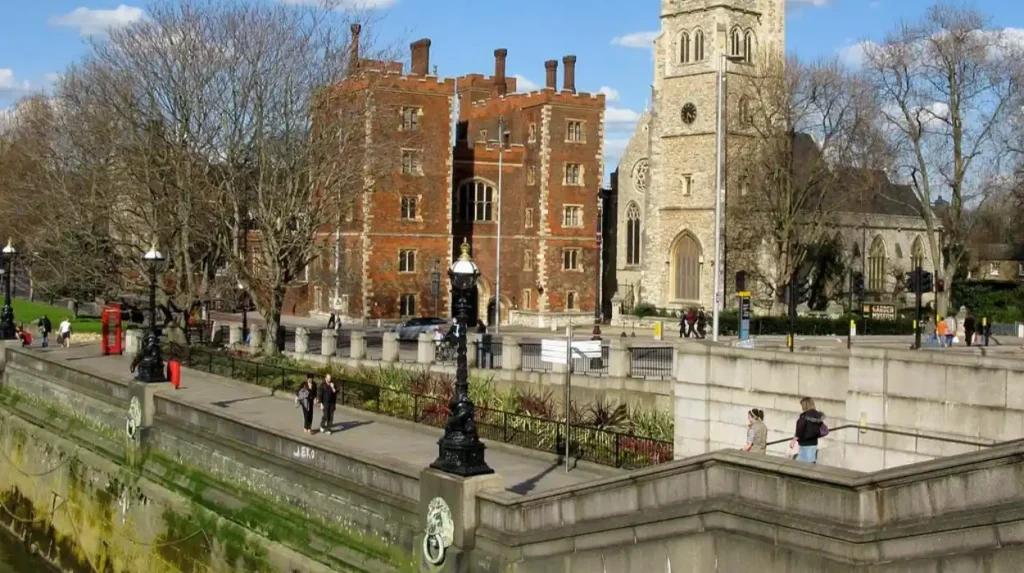
Lambeth Palace is the official London residence of the Archbishop of Canterbury. It stands beside the Garden Museum on the south bank of the Thames.
The palace has a long connection with the history of the Church of England. Its historic buildings and grounds form an important part of Lambeth’s architectural heritage.
The River Thames also provides opportunities for riverside walks and views towards Westminster.
Visitors should remember that Lambeth Palace is a working religious residence rather than a museum with unrestricted daily access. Public visits and tours depend on scheduled arrangements.
What Can Visitors Discover Around Brixton?
Brixton is an important cultural centre in Lambeth. Its history reflects migration, music, commerce, political activism and community development.
Windrush Square provides a significant public space associated with Black British heritage. Its proximity to Black Cultural Archives makes it a relevant location for visitors exploring the history of African and Caribbean communities in Britain.
Brixton Market also offers an opportunity to experience the area’s commercial and multicultural identity. Its food businesses, independent traders and specialist shops reflect the contribution of different communities to local life.
Street art and music-related cultural venues provide further insight into Brixton’s creative reputation.
Are There Historic Buildings Near Lambeth’s Museums?
Lambeth contains several historic buildings that help explain the borough’s development.
St Mary-at-Lambeth is particularly important because its former church building now houses the Garden Museum. The site connects medieval religious architecture with modern cultural preservation.
The surrounding Lambeth Palace area also retains historic associations with religious institutions and the development of the Thames riverside.
Exploring these buildings alongside museum exhibitions helps visitors understand the relationship between architecture, religion, community life and cultural identity.
What Should Visitors Know About Museum Accessibility and Admission?
Museum accessibility in Lambeth varies by venue, admission policy and exhibition format. Visitors should check opening hours, advance booking, step-free access, ticket prices and available facilities before travelling, particularly when planning multiple museum visits.
Practical preparation helps visitors avoid unnecessary delays and choose suitable attractions.
Which Museums Offer Free Admission?
IWM London offers free general admission, making it an accessible option for visitors interested in modern history.
Black Cultural Archives provides access to its heritage work through selected public events, exhibitions, learning programmes and research services. However, it is not currently open for unrestricted walk-in visits. Its reading room and library operate through appointment arrangements.
The Garden Museum and Florence Nightingale Museum charge general admission, with concessions and child tickets available.
The Cinema Museum requires advance booking for guided tours.
Do Visitors Need to Book in Advance?
Advance booking is particularly important for specialist museums with limited capacity.
The Cinema Museum requires visitors to book a guided tour. The 575 Wandsworth Road property also requires pre-booked guided visits because of its fragile interiors and restricted visitor capacity.
Black Cultural Archives operates selected open days and appointment-based archive access.
Other museums have different admission arrangements for general visits, educational groups and special exhibitions.
Are Lambeth Museums Accessible by Public Transport?
Lambeth has several public transport connections through Underground, railway and bus services.
The Garden Museum and Florence Nightingale Museum are accessible from Lambeth North, Waterloo and Vauxhall stations. Brixton provides Underground and railway connections for visitors exploring Black Cultural Archives and Lambeth Archives.
The Cinema Museum is located near Elephant and Castle and Kennington. IWM London is accessible from Lambeth North and Elephant and Castle.
Visitors with mobility requirements should check individual accessibility information before travelling. Historic buildings sometimes contain narrow corridors, steps and uneven surfaces.
Explore More Area Guide
Old Nun’s Head Named Best South London Queer Pub 2026
Croydon Named Most Affordable London Borough for Property Buyers 2026
Why Are Lambeth Museums Important for the Future of Cultural Tourism?
Lambeth museums support cultural tourism by preserving specialist collections, promoting historical understanding and providing educational opportunities. Their continued development strengthens local heritage, community participation and South London’s cultural identity.
Museums are important cultural institutions because they connect historical evidence with contemporary audiences. They preserve objects that would otherwise deteriorate or disappear and provide opportunities for public learning.
Lambeth’s institutions demonstrate the value of specialist museums. The Garden Museum connects horticultural heritage with environmental education. The Florence Nightingale Museum preserves the history of professional nursing. The Cinema Museum documents the development of British cinema-going culture.
Black Cultural Archives provides an important resource for understanding Black British history, while IWM London explores the continuing consequences of international conflict.
How Do Museums Support Local Communities?
Museums contribute to communities through educational programmes, public exhibitions, research opportunities and cultural events.
Local residents benefit from access to historical information about their neighbourhoods. Schools use museum resources to support classroom learning. Researchers access specialist collections for academic projects.
Lambeth Archives and Black Cultural Archives are particularly important in this respect because their collections preserve personal and community histories.
These institutions also encourage historical participation by making previously overlooked experiences more visible.
How Can Digital Technology Improve Museum Experiences?
Digital technology provides additional ways to access historical collections.
Online catalogues allow researchers to identify archival materials before visiting. Digital exhibitions make selected historical content accessible to people who cannot attend in person.
Museums also use digital interpretation, audiovisual displays and interactive resources to explain complex historical subjects.
The Garden Museum, for example, provides a digital guide through Bloomberg Connects. Its guide includes information about collection objects and accessibility features.
These developments support wider cultural participation and improve access to specialist knowledge.
What Is the Long-Term Value of Lambeth’s Museum Collections?
The long-term value of museum collections extends beyond tourism. They preserve evidence of social development, technological change, artistic achievement and community identity.
Future researchers can use these collections to investigate how London changed across generations. Educational institutions can use them to explain historical events through original evidence.
Continued conservation, funding, community involvement and digital preservation remain important for protecting these resources.
Lambeth’s museums therefore contribute to both local cultural development and the wider understanding of British history.
Which Lambeth Museums Should Visitors Prioritise?
Lambeth offers several distinctive museum experiences for visitors interested in history, culture, science, gardening and the creative industries.
The Garden Museum stands out for its specialist horticultural collections and historic church setting. The Florence Nightingale Museum provides insight into modern nursing and healthcare reform. The Cinema Museum preserves Britain’s cinema-going heritage through historical objects and guided tours.
IWM London offers extensive exhibitions about modern warfare, while Black Cultural Archives provides important resources for understanding Black British history. The 575 Wandsworth Road property adds a remarkable example of personal craftsmanship, and Lambeth Archives provides access to the borough’s documentary history.
Together, these attractions demonstrate the cultural depth of South London. Visitors can explore specialist collections, historic buildings and community heritage while developing a broader understanding of Lambeth’s contribution to London’s identity.
What are the best museums to visit in Lambeth?
Some of the best museums in Lambeth include the Garden Museum, Florence Nightingale Museum, Cinema Museum, Imperial War Museum London and Black Cultural Archives. Each offers specialist collections covering gardening, healthcare, cinema, warfare and Black British history.