- London regional standing: London remains the least affordable region across the United Kingdom, with average property values standing at 6.11 times the average household earnings.
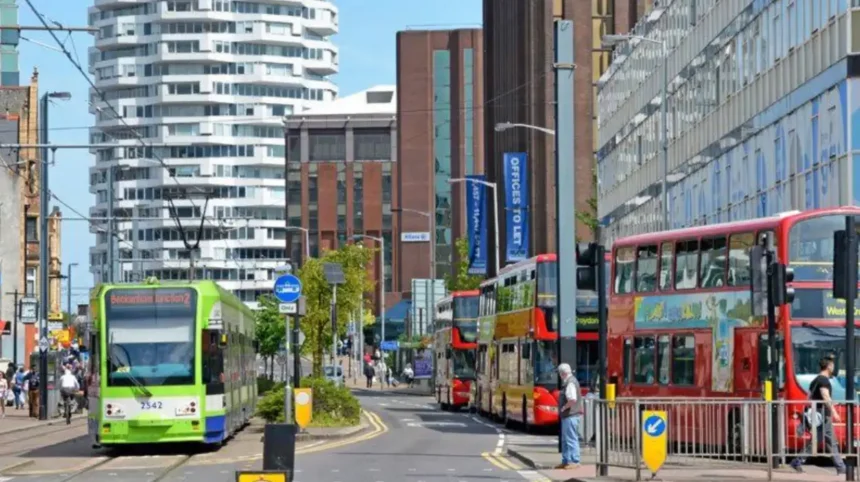
- Croydon’s position: Croydon has been identified as joint second among London’s most affordable boroughs for property buyers, with average home values priced at 5.26 times the local average household income.
- Top London ranking: Tower Hamlets ranks as the most affordable London borough, with a median property price of £455,200 representing 4.91 times the area’s average household income.
- Joint second place: Greenwich matches Croydon’s runner-up standing on affordability, offering a median property price of £451,900.
- Local income distinction: Although Croydon features a lower median property price (£430,100) than Tower Hamlets, average local earnings in Croydon are lower than those in Tower Hamlets.
- South London dominance: Seven of the top ten most affordable London boroughs are situated south of the River Thames.
- Least affordable borough: Kensington and Chelsea ranks as London’s least affordable borough, where median home values reach 9.5 times household earnings.
- National comparison baseline: Across the UK, couples typically spend 4.3 times their combined salary to purchase an average home.
- Britain’s most affordable town: Shildon in County Durham is Britain’s most affordable location, with home prices sitting at 1.15 times annual household earnings.
- Macroeconomic pressure: Recent Bank of England interest rate increases to 4% have added up to £600 a year to some mortgage payments, sharpening the focus on property affordability.
Croydon (South London News) November 9, 2026 – Croydon has emerged as one of the most affordable areas to purchase residential property within London, according to comparative research published by online property portal Zoopla. The detailed analysis, which measured average household incomes against regional house prices by borough, established that residential properties in Croydon have been selling at 5.26 times the average local household income.
As reported by Inside Croydon, the broader analysis demonstrates that seven of London’s top ten most affordable boroughs are positioned south of the River Thames. Tower Hamlets in east London secured the top position overall, where a median-priced home of £455,200 equates to 4.91 times the average household income for that specific area.
Greenwich and Croydon shared the ranking for joint second place across the capital. Research provided by Zoopla reveals that Greenwich maintains a median property valuation of £451,900. While Croydon’s median property price of £430,100 is lower than both Tower Hamlets and Greenwich, average earnings within the borough of Croydon trail behind those recorded in Tower Hamlets, balancing its final affordability multiple at 5.26.
The remaining top ten list of London’s most affordable boroughs includes Southwark, Lambeth, Lewisham, Bexley, and Bromley. At the opposite end of the spectrum, Kensington and Chelsea was highlighted as the least affordable borough in which to secure a home, featuring a median home valuation standing at 9.5 times local household earnings.
Across the wider regional landscape, London overall continues to hold its position as the country’s least affordable region, with homes across the capital valued on average at 6.11 times household earnings.
Which factors are currently driving property affordability ratios across the country?
The income metrics used within the index were calculated using the combined earnings of two full-time working individuals. On a national level, couples across Great Britain typically spend 4.3 times their combined annual salary to acquire an average property.
According to research data released by Zoopla, Shildon in County Durham has been identified as Britain’s most affordable town. In Shildon—where former Croydon councillor Simon Hall recently relocated and was subsequently co-opted onto the local council—residential properties cost just 1.15 times the annual local household earnings.
As reported by Richard Donnell, executive director at Zoopla, geographic disparities remain a defining characteristic of the current housing market:
“Affordability varies widely across the country, with many towns in northern England and Scotland offering much better value relative to local household earnings.”
However, Richard Donnell of Zoopla clarified that lower purchase costs do not automatically remove barriers for prospective buyers:
“However, lower house prices don’t always mean it’s easier to buy, as access to employment, deposits and mortgage costs remain important considerations.”
Addressing current conditions for prospective buyers, Richard Donnell of Zoopla added:
“Buyers have more homes to choose from than a year ago, and there is greater scope to negotiate on price, particularly in southern England.”
Offering market advice to home seekers, Richard Donnell of Zoopla stated:
“Anyone considering a move should take a fresh look at what they can afford and what’s available locally. Expanding a search to neighbouring towns could make a meaningful difference to their buying options.”
Background of the particular development
The release of the Zoopla affordability index comes amidst shifting monetary policy and sustained pressure on household finances across the United Kingdom. The index was brought into sharp focus following the Bank of England’s decision to increase interest rates to 4%.
This central bank rate adjustment has directly translated into higher borrowing costs for homeowners and prospective buyers across the UK. For existing homeowners on variable or renewing fixed-rate tariffs, the rate hike means facing increases in their annual mortgage repayments, with some households experiencing additional costs of as much as £600 over the course of a single year. Consequently, property pricing relative to local income has become a central determinant for buyers navigating tighter lending criteria and reduced disposable income.
Prediction: How this development can affect prospective London buyers and the local market
The latest affordability metrics and interest rate conditions are expected to shape buyer behavior and local housing market dynamics across London in several key ways:
- Migration toward outer and southern boroughs: As borrowing costs rise following interest rate increases to 4%, first-time buyers and moving households are likely to shift their attention away from central, high-multiple boroughs like Kensington and Chelsea toward more accessible locations. South London boroughs such as Croydon, Greenwich, Bexley, and Bromley will likely experience sustained demand due to their lower income-to-price ratios.
- Increased negotiation power for buyers: With an increased supply of homes on the market compared to the previous year, buyers in southern England possess greater leverage to negotiate listing prices downward, offsetting higher monthly mortgage payments through lower capital purchase costs.
- Broader search radii: Home seekers are expected to expand their geographic search parameters into neighbouring towns and outer suburban hubs to balance strict mortgage stress testing against income limitations.