Lambeth is one of London’s most culturally diverse boroughs, with its strongest expressions of multicultural life found in Brixton, Stockwell, Vauxhall, Streatham and Waterloo. Its cultural identity is reflected in Black British heritage institutions, African and Caribbean community organisations, international food markets, contemporary art galleries, libraries, theatres and neighbourhood festivals.
- Why Is Lambeth One of London’s Most Culturally Diverse Boroughs?
- Which Places in Brixton Celebrate African and Caribbean Heritage?
- Where Can Visitors Discover Contemporary Black and Diaspora Art in Lambeth?
- Where Can Visitors Experience Portuguese Culture in Lambeth?
- Which Lambeth Community Spaces Support Different Cultural Traditions?
- Art4Space in Stockwell
- Myatt’s Field North Centre
- Vauxhall Gardens Community Centre
- Bonnington Café and Community Centre
- Where Can Visitors Experience International Arts and Culture in Waterloo?
- Which Neighbourhoods in Lambeth Reflect African, European and International Communities?
- Stockwell and Its Portuguese and Somali Communities
- Streatham and Polish Community Connections
- Vauxhall and International Cultural Exchange
- Which Festivals and Community Events Celebrate Lambeth’s Cultural Diversity?
- Lambeth Country Show
- Brixton’s Music and Community Events
- Southbank Centre Festivals
- Community-Led Heritage Events
- How Can Visitors Explore Lambeth’s Cultural Diversity in One Day?
- Morning: Explore Brixton’s Black British Heritage
- Early Afternoon: Discover Contemporary Art
- Late Afternoon: Visit Little Portugal
- Evening: Experience International Arts
- How Do Lambeth’s Cultural Institutions Preserve Community Heritage?
- Archives and Historical Collections
- Education and Community Participation
- Public Art and Cultural Recognition
- Why Is Cultural Diversity Important to Lambeth’s Future?
Visitors exploring Lambeth encounter traditions shaped by generations of migration, including Caribbean, African, Portuguese, Latin American, European and other international communities. These influences are visible in local businesses, religious institutions, music, food, public art and community-led events.
Cultural diversity in Lambeth is not limited to museums or formal attractions. It is part of everyday neighbourhood life. Brixton’s markets, Windrush Square’s historic memorials, Stockwell’s Portuguese community and Waterloo’s international arts programme all provide opportunities to understand how different communities contribute to London’s identity.
Why Is Lambeth One of London’s Most Culturally Diverse Boroughs?
Lambeth is one of London’s most culturally diverse boroughs because generations of international migration have shaped its population, businesses, neighbourhoods and cultural institutions. Its communities include African, Caribbean, Portuguese, Latin American, European and other backgrounds.
The London Borough of Lambeth covers approximately 27.25 square kilometres and has a population of around 318,000. According to Lambeth Council’s demographic information, approximately 63% of residents identify with an ethnicity other than White British.
The 2021 Census recorded particularly significant Black, Black British, Caribbean and African communities. Around 24% of Lambeth residents identified with these ethnic groups. The borough also has residents from Asian, mixed and multiple ethnic backgrounds and other ethnic categories.
Language contributes significantly to this diversity. Lambeth’s 2022 health profile reported that approximately 150 different languages are spoken by families across the borough. Spanish, Portuguese and several African languages form part of its linguistic landscape.
The borough’s cultural character is especially visible in neighbourhoods where communities have established businesses, cultural organisations and social networks.
Brixton is internationally recognised for its African and Caribbean heritage. Stockwell has a particularly visible Portuguese community, while Streatham has established Polish businesses and community connections. Waterloo and the South Bank attract international audiences through their theatres, galleries and cultural institutions.
These neighbourhoods demonstrate how migration influences local identity. Restaurants, independent shops, community centres and public events provide opportunities for different generations to maintain traditions and introduce them to wider audiences.
Lambeth’s cultural diversity also contributes to London’s tourism economy. Visitors experience international cuisines, heritage exhibitions, live performances and community celebrations without travelling outside the borough.
Which Places in Brixton Celebrate African and Caribbean Heritage?
Brixton is one of Lambeth’s most important centres of African and Caribbean heritage. Windrush Square, Black Cultural Archives, Brixton Village and Electric Avenue reflect the area’s migration history, cultural traditions, independent businesses and community identity.
Brixton has a long-established African and Caribbean population. Its cultural identity developed through migration from the Caribbean and African countries, particularly during the twentieth century. The arrival of Caribbean migrants after the Second World War transformed the area’s social and commercial landscape.
The 1948 arrival of the Empire Windrush became a defining moment in modern British migration history. The ship brought 492 passengers from the Caribbean to Britain on 22 June 1948. The Windrush Generation subsequently contributed to British public services, business, music, arts and community life.
Windrush Square
Windrush Square is a public space in central Brixton dedicated to recognising African and Caribbean contributions to British society. It connects several important heritage landmarks, including the Black Cultural Archives and the African and Caribbean War Memorial.
The square was completed in its present combined form in 2010. It contains landscaped seating areas, public monuments and open spaces used by residents and visitors.
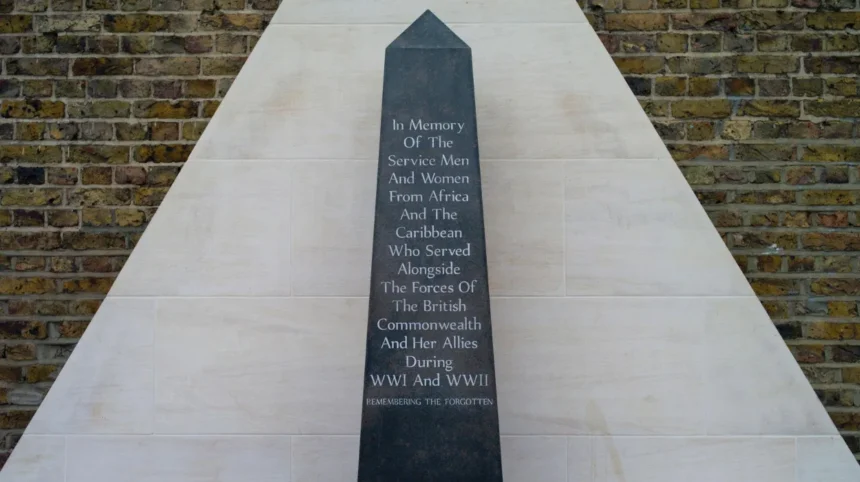
The African and Caribbean War Memorial commemorates service personnel from Africa and the Caribbean who fought alongside British and Commonwealth forces during the First and Second World Wars. It provides an important historical connection between Britain’s military history and its international communities.
Windrush Square also contains the Cherry Groce Memorial Pavilion, installed in 2021. It commemorates Cherry Groce, who was shot by police in her home in Brixton in 1985.
The square is accessible throughout the day and provides a useful starting point for exploring Brixton’s cultural landmarks.
Black Cultural Archives
The Black Cultural Archives is one of Britain’s leading institutions dedicated to preserving and celebrating the histories of people of African and Caribbean descent in Britain.
Established in 1981, the organisation provides access to historical collections, documents, photographs, objects and educational resources. Its headquarters at 1 Windrush Square opened as a permanent cultural centre in Brixton.
Its exhibitions examine the experiences of Black British communities, including migration, political participation, cultural achievements and social change.
The institution also organises educational programmes, public engagement activities and exhibitions. Its collections help researchers, students and visitors understand the contributions of African and Caribbean communities to British history.
Visitors should check the official exhibition programme and opening arrangements before travelling.
Brixton Village and Electric Avenue
Brixton Village and Electric Avenue provide a practical introduction to the borough’s multicultural food and shopping culture.
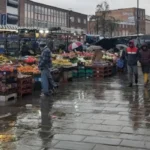
Brixton Village occupies covered railway-arch market spaces off Coldharbour Lane. Its independent businesses include international restaurants, food traders, creative retailers and specialist shops.
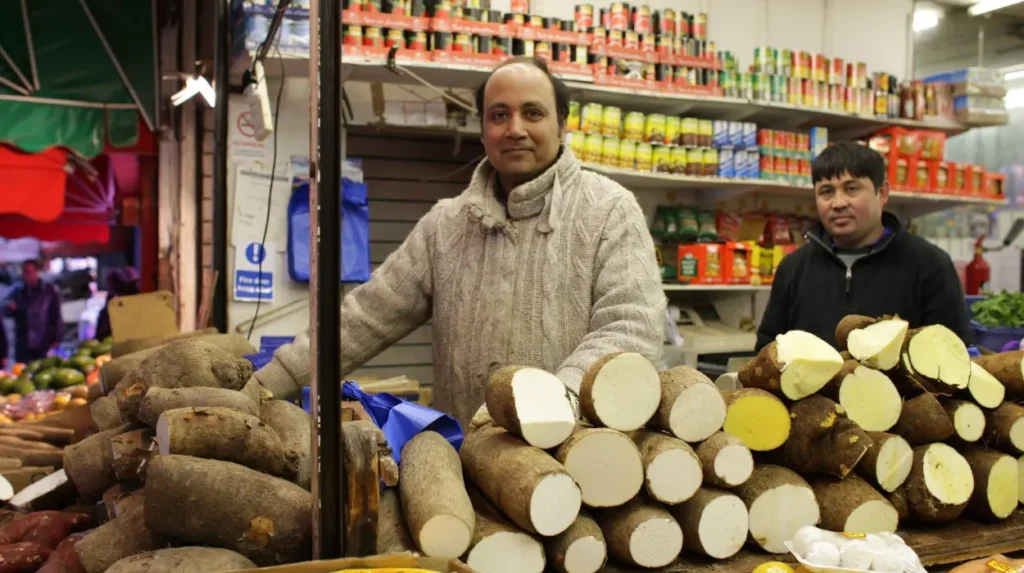
Electric Avenue is particularly associated with African, Caribbean and international grocery businesses. Visitors encounter ingredients, spices, fresh produce and prepared foods connected with different culinary traditions.
Food is an important part of cultural preservation. Traditional recipes, specialist ingredients and family-run restaurants allow communities to maintain connections with their countries of origin while introducing different cuisines to wider audiences.
The markets also demonstrate the economic contribution of migrant entrepreneurs. Independent businesses create employment, support local suppliers and maintain the commercial character of Brixton.
Visitors can explore Caribbean dishes such as jerk chicken and Jamaican patties alongside African, South American and other international cuisines.
Where Can Visitors Discover Contemporary Black and Diaspora Art in Lambeth?
Lambeth’s contemporary arts scene provides platforms for artists whose work explores identity, migration, race, community and international heritage. Galleries such as 198 Contemporary Arts and Learning connect artistic expression with education, public participation and underrepresented cultural perspectives.
198 Contemporary Arts and Learning
198 Contemporary Arts and Learning is an independent art gallery and community learning organisation at 198 Railton Road, SE24 0JT.
Established in 1988, the organisation initially aimed to provide exhibition opportunities for Afro-Caribbean and Asian artists during the development of the British Black Arts Movement.
Its programme has developed to include contemporary exhibitions, artist-led workshops, educational activities, screenings and public discussions.
The gallery examines contemporary social issues through artistic practice. Its exhibitions provide opportunities to understand how artists interpret cultural identity, political history, migration and community experiences.
Its learning programme also supports creative development among young people and local residents. Activities include practical art courses, exhibition tours, workshops and educational partnerships.
198 is particularly relevant to visitors interested in the relationship between contemporary art and cultural representation. Exhibition entry is free, although visitors should check appointment requirements and current opening arrangements before visiting.
Brixton House
Brixton House is a contemporary theatre in Brixton that presents performances, comedy, music and community-focused cultural activities.
The theatre provides a platform for creative work connected with contemporary British life and diverse artistic perspectives. Its programme includes productions, collaborative performances and activities involving local audiences.
Brixton House also supports community participation through initiatives such as its community choir. Its food offering, curated by Levi Roots and Karma Sherpa, brings different culinary influences into the theatre environment.
The venue demonstrates how cultural diversity extends beyond historical collections. Contemporary performance allows communities to express their experiences through theatre, music, comedy and collaborative creative projects.
Visitors should consult the theatre’s programme to identify performances, workshops and community events that match their interests.
Where Can Visitors Experience Portuguese Culture in Lambeth?
South Lambeth and Stockwell provide important opportunities to explore Portuguese culture through community institutions, specialist businesses, public art and language activities. Tate South Lambeth Library is a particularly valuable cultural landmark within this established Portuguese-speaking neighbourhood.
Tate South Lambeth Library
Tate South Lambeth Library is located at 180 South Lambeth Road, London SW8 1QP.
The library stands in the heart of Lambeth’s Portuguese community, close to Stockwell, Vauxhall and Nine Elms. It provides an important connection between local cultural heritage and everyday community services.
Its facilities include books in community languages, language-learning resources, public computers, free Wi-Fi, study areas and children’s activities.
The library also hosts community activities and educational programmes. Its language resources help residents maintain connections with their cultural backgrounds while supporting wider participation in British society.
One notable example was the 2024 exhibition Viva o 25 de Abril de 1974, which explored the fall of Portugal’s fascist regime and the historical significance of the Carnation Revolution.
The exhibition was developed with community participation and support from Migrantes Unidos, an organisation involving Portuguese migrants, former migrants and their descendants.
This project demonstrates how local libraries preserve international history through community-led exhibitions and educational activities.
Portuguese Community Mural
A Portuguese community mural was unveiled opposite Tate South Lambeth Library on 29 November 2023.
Lambeth Council describes it as the first public artwork in the borough specifically celebrating Portuguese-speaking communities.
The artwork was developed through collaboration involving local residents, businesses and cultural organisations. It formed part of the Vauxhall Night Time Enterprise Zone initiative, supported by the Mayor of London and Lambeth Council.
The mural recognises the contribution of Portuguese-speaking residents to the area’s identity and economy. Its location opposite the library makes it an accessible stop for visitors exploring Little Portugal.
It also illustrates the importance of public art in representing communities whose histories are not always visible in conventional heritage institutions.
Portuguese Businesses and Community Life
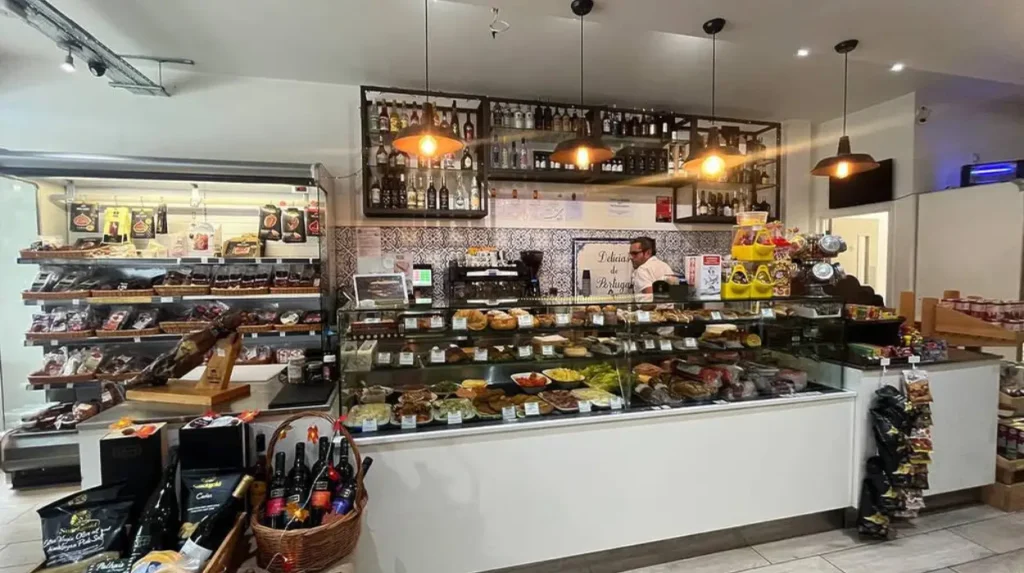
South Lambeth’s Portuguese identity is also visible through independent shops, restaurants and community organisations.
These businesses support the everyday transmission of cultural traditions through food, language, social interaction and specialist products.
Visitors exploring the area encounter Portuguese food traditions and local businesses that serve residents from different generations. Community activities at Tate South Lambeth Library provide another opportunity to engage with the area’s cultural life.
For visitors interested in the historical development of this neighbourhood, explore the [Insert Anchor Text for Little Portugal and South Lambeth’s Historical Background Article Here] to understand how migration shaped its present-day identity.
The Portuguese-speaking community also contributes to the borough’s educational and social networks. Lambeth Council has documented the community through research into its composition, needs and support structures.
Which Lambeth Community Spaces Support Different Cultural Traditions?
Community centres and local libraries provide spaces where Lambeth residents maintain cultural connections, organise activities and share traditions. Stockwell, Vauxhall, Myatt’s Fields and Clapham contain organisations supporting creative participation, social inclusion and neighbourhood relationships.
Art4Space in Stockwell
Art4Space is a community arts centre at 31 Jeffreys Road, Stockwell, SW4 6QU.
The organisation delivers creative workshops, arts education, wellbeing activities and community art projects.
Its programmes provide opportunities for people of different ages and backgrounds to participate in artistic activities. Community art projects also encourage residents to contribute to the visual identity of their neighbourhoods.
Art4Space demonstrates how cultural participation happens outside traditional galleries and museums. Its workshops and collaborative projects connect creativity with community development.
Visitors interested in local creative activities should check its programme and booking arrangements before attending.
Myatt’s Field North Centre
Myatt’s Field North Centre is a community hub at 24 Crawshay Road, London SW9 6FZ.
The centre provides facilities for local groups, social activities, educational programmes and community gatherings.
Its activities include social clubs, fitness sessions and support initiatives. These programmes bring together residents with different backgrounds and experiences.
The centre illustrates how neighbourhood facilities support social connections. Regular activities give residents opportunities to meet, share experiences and participate in community life.
Vauxhall Gardens Community Centre
Vauxhall Gardens Community Centre is located at 5 Glasshouse Walk, London SE11 5ES.
The independent community organisation provides space for meetings, cultural activities, educational programmes and local projects.
Its flexible facilities support community-led events and gatherings. This makes it relevant to organisations seeking accessible venues for activities involving local residents.
Bonnington Café and Community Centre
Bonnington Café and Community Centre is situated at 11 Vauxhall Grove, London SW8 1TD.
The venue combines a vegetarian café with community facilities and creative activities.
Its café provides an international dining environment, while its community spaces support workshops, exhibitions and social events.
The associated Fourth World Arts network organises creative exhibitions and activities connected with Bonnington Square. This relationship between food, art and neighbourhood participation demonstrates the different ways cultural traditions become part of everyday community life.
These community venues do not all operate as dedicated ethnic heritage centres. Their value lies in providing spaces where people from different backgrounds participate in shared activities.
Where Can Visitors Experience International Arts and Culture in Waterloo?
Waterloo and the South Bank connect Lambeth’s cultural identity with international arts, music, theatre, literature and public festivals. The Southbank Centre provides a major platform for artists and audiences from different countries, backgrounds and creative disciplines.
Southbank Centre
The Southbank Centre is one of the UK’s largest arts centres. Located on the Thames in Waterloo, it brings together music, performance, literature, visual arts and public cultural events.
Its major venues include the Royal Festival Hall, Queen Elizabeth Hall and Purcell Room. These spaces host performances and cultural programmes featuring British and international artists.
The centre’s cultural programme includes several important events:
- EFG London Jazz Festival: An annual music festival presenting international and British jazz musicians.
- London Literature Festival: A programme featuring writers, discussions and literary events.
- WOW Festival: An international celebration examining the experiences and achievements of women, girls and non-binary people.
- Performance and Dance: Programmes presenting contemporary creative work from different countries and artistic traditions.
The Southbank Centre also organises free public activities. These provide opportunities for visitors to experience cultural programming without purchasing tickets for every event.
Its riverside location makes it accessible from Waterloo Station and surrounding South Bank attractions. Visitors should check the official programme for current performances, exhibitions and festival dates.
Waterloo’s Public Cultural Environment
Waterloo’s cultural identity extends beyond ticketed performances. The surrounding public spaces attract international visitors, performers, students and local communities.
Street performances, public installations and seasonal events contribute to the area’s cultural atmosphere.
The South Bank also provides access to independent cafés, bookshops and restaurants serving international visitors. These businesses support the area’s wider cultural economy.
For visitors with limited time, combining the Southbank Centre with a riverside walk provides an accessible introduction to Lambeth’s international arts scene.
Which Neighbourhoods in Lambeth Reflect African, European and International Communities?
Brixton, Stockwell, Streatham, Vauxhall and surrounding neighbourhoods represent different aspects of Lambeth’s multicultural identity. Their independent businesses, cultural organisations, community networks and public spaces reveal how migration has shaped everyday local life.
Stockwell and Its Portuguese and Somali Communities
Stockwell has a diverse population and strong community connections with neighbouring South Lambeth.
The Portuguese-speaking community is particularly visible through local businesses, cultural activities and public institutions.
Lambeth Council has also identified Stockwell and Streatham as important centres for Somali communities. Somali businesses, cafés and specialist services contribute to the neighbourhood’s cultural landscape.
These communities demonstrate how international migration creates local networks. Shops and restaurants provide familiar products, while community organisations support language, social relationships and cultural continuity.
Streatham and Polish Community Connections
Streatham has an established Polish community, supported by independent shops, restaurants and local social networks.
Lambeth Council’s community research identifies Polish residents as an important part of the area’s population.
Polish businesses provide access to traditional food products and services. They also support cultural connections between established residents and newer arrivals.
The neighbourhood’s multicultural character is visible through its high street businesses and community activities.
Vauxhall and International Cultural Exchange
Vauxhall connects several cultural communities through its residential neighbourhoods, public spaces and independent businesses.
Its proximity to South Lambeth makes it an important part of the Portuguese-speaking community’s wider local network.
Public art projects, including the Portuguese community mural, provide visible recognition of these connections.
Vauxhall’s community organisations also support local events and activities. These spaces encourage interaction between residents with different cultural backgrounds.
Which Festivals and Community Events Celebrate Lambeth’s Cultural Diversity?
Lambeth celebrates cultural diversity through music festivals, community performances, food events, heritage exhibitions and neighbourhood celebrations. Brixton’s cultural programme, the Lambeth Country Show and Southbank Centre festivals provide different opportunities for participation.
Lambeth Country Show
The Lambeth Country Show takes place in Brockwell Park and is one of the borough’s best-known outdoor community events.
The annual event combines music, food, entertainment, agricultural displays and family activities.
Its programme attracts visitors from across London and provides opportunities for local businesses, community organisations and performers to reach wider audiences.
The event’s combination of entertainment and community participation makes it relevant to visitors exploring Lambeth’s cultural identity.
Brixton’s Music and Community Events
Brixton has a strong association with reggae, dub, soul, jazz, hip-hop and other musical traditions.
These influences developed through local communities, independent venues and generations of musicians.
Live music performances, theatre productions and community gatherings continue to provide platforms for different cultural expressions.
Brixton House and other local creative organisations contribute to this activity through performances and public programmes.
Southbank Centre Festivals
The Southbank Centre presents an international programme throughout the year.
Its festivals cover music, literature, dance, performance and social issues. These events introduce visitors to creative traditions from Britain and other countries.
Some activities are free, while larger performances require tickets. Checking the programme before travelling helps visitors plan around specific cultural interests.
Community-Led Heritage Events
Local libraries, cultural organisations and community groups also organise smaller events.
Examples include Portuguese heritage exhibitions, Black British history activities, creative workshops and language-learning sessions.
These activities are important because they allow residents to participate directly in representing their own histories rather than relying exclusively on external cultural institutions.
How Can Visitors Explore Lambeth’s Cultural Diversity in One Day?
Visitors can explore Lambeth’s cultural diversity through a practical route connecting Brixton’s heritage landmarks, international markets, contemporary galleries and South Lambeth’s Portuguese community. A separate Waterloo visit provides access to international arts and performances.
A one-day cultural itinerary allows visitors to experience different aspects of Lambeth without travelling extensively.
Morning: Explore Brixton’s Black British Heritage
Begin at Windrush Square.
Visit the African and Caribbean War Memorial and explore the public space before entering the Black Cultural Archives.
Allow time to examine the exhibitions and learn about African and Caribbean contributions to British society.
Continue towards Brixton Village and Electric Avenue to experience the area’s international food businesses and independent retailers.
Early Afternoon: Discover Contemporary Art
Travel towards Railton Road and visit 198 Contemporary Arts and Learning.
Explore its current exhibitions and educational activities. Check the gallery’s programme in advance because opening arrangements depend on exhibitions.
The area also provides opportunities to understand Brixton’s relationship with Black British art and community-led cultural development.
Late Afternoon: Visit Little Portugal
Travel towards South Lambeth Road and visit Tate South Lambeth Library.
Explore its community-language resources and any scheduled exhibitions.
Look for the Portuguese community mural opposite the library. This provides an opportunity to understand how public art recognises the contribution of migrant communities.
Evening: Experience International Arts
Finish the day in Waterloo at the Southbank Centre.
Check its programme for music, literature, theatre and international performances.
This route combines historical heritage, contemporary creativity, food culture and community spaces in different parts of Lambeth.
Visitors should check transport connections, exhibition availability and event schedules before starting their journey.
Explore More Area Guide
Where to Find Street Art and Murals in Lambeth, London
What Can Visitors Discover About Lambeth’s Literary Heritage?
How Do Lambeth’s Cultural Institutions Preserve Community Heritage?
Lambeth’s cultural institutions preserve community heritage by collecting historical records, organising exhibitions, supporting creative education and providing spaces for cultural exchange. Their activities help younger generations understand migration, identity and the contributions of different communities.
Cultural preservation involves more than displaying historical objects. It includes documenting personal experiences, protecting community records and supporting the transmission of traditions between generations.
Archives and Historical Collections
Black Cultural Archives and Lambeth Archives provide important resources for understanding the borough’s history.
Black Cultural Archives focuses on the histories of people of African and Caribbean descent in Britain.
Lambeth Archives maintains local historical records and research resources covering subjects such as social history, family history, architecture, transport and community development.
These collections support students, historians, researchers and residents interested in understanding how Lambeth developed.
Education and Community Participation
Institutions such as 198 Contemporary Arts and Learning connect cultural heritage with contemporary education.
Workshops, exhibitions and creative activities encourage residents to participate in artistic and educational programmes.
Libraries also contribute by providing books, language resources, public facilities and community events.
Tate South Lambeth Library is particularly relevant because its resources reflect the linguistic and cultural needs of the surrounding Portuguese-speaking community.
Public Art and Cultural Recognition
Public art gives communities opportunities to represent their identity in shared spaces.
The Portuguese community mural opposite Tate South Lambeth Library is one example.
Windrush Square’s monuments also provide permanent recognition of African and Caribbean contributions to British history.
These landmarks make cultural heritage accessible beyond museum buildings. They allow residents and visitors to encounter historical recognition during everyday activities.
Why Is Cultural Diversity Important to Lambeth’s Future?
Cultural diversity remains important to Lambeth because it supports community relationships, local businesses, creative industries and heritage preservation. Cultural organisations also provide opportunities for younger generations to understand different traditions and participate in London’s changing identity.
Lambeth’s cultural institutions contribute to the borough’s social and economic development.
Independent restaurants, international food retailers, creative businesses and cultural venues attract visitors and support local employment. Their activities also strengthen neighbourhood identities.
Cultural diversity supports social inclusion by creating opportunities for residents to participate in shared activities. Libraries, galleries, community centres and festivals provide spaces for interaction between different generations and backgrounds.
Heritage preservation is equally important. Organisations such as Black Cultural Archives protect historical experiences that are essential to understanding modern British society.
Community-led exhibitions and public art projects also give residents opportunities to represent their identities and histories.
Lambeth’s cultural landscape will continue to develop through migration, creative enterprise, education and community participation. Protecting accessible cultural spaces and supporting independent organisations remain important for maintaining this diversity.
For visitors, these institutions offer more than conventional sightseeing. They provide opportunities to understand how international communities have shaped London’s history, economy and contemporary identity.
Which is the most culturally diverse area in Lambeth?
Brixton is one of Lambeth’s most recognised multicultural neighbourhoods. It celebrates African and Caribbean heritage through Windrush Square, Black Cultural Archives, Brixton Village, Electric Avenue and local music venues.