Tourists should visit Lambeth in South London because it offers iconic landmarks such as the London Eye and Imperial War Museum, world-class cultural institutions on the South Bank, historic sites like 800-year-old Lambeth Palace, and vibrant neighbourhoods including Brixton with diverse food, music, and street markets. Lambeth combines riverfront views, green spaces, and accessible transport, making it ideal for sightseeing, leisure, and cultural exploration.
- What makes Lambeth a top destination for tourists and leisure travellers?
- Which iconic landmarks and sightseeing attractions define Lambeth?
- What cultural institutions and museums can tourists explore in Lambeth?
- How does Lambeth’s history and heritage enhance the visitor experience?
- Which neighbourhoods and local experiences offer authentic Lambeth culture?
- What parks, green spaces, and riverside walks are available in Lambeth?
- How accessible is Lambeth for tourists using public transport and walking routes?
- What are the best times to visit Lambeth for sightseeing, culture, and leisure?
- How can tourists plan a one-day or multi-day itinerary in Lambeth?
- Why does Lambeth rank highly for cultural tourism and repeat visits in South London?
What makes Lambeth a top destination for tourists and leisure travellers?
Lambeth attracts tourists for its mix of world-famous landmarks, cultural institutions, historic heritage, and diverse neighbourhoods along the River Thames in South London. Visitors find iconic sites such as the London Eye, the South Bank arts complex, and the Imperial War Museum alongside historic Lambeth Palace and vibrant Brixton. Lambeth’s riverside location, green parks, and strong transport links support easy exploration for day visitors and multi-day stays.
Lambeth is an inner London borough that extends south from the River Thames and includes districts such as Waterloo, South Bank, Vauxhall, Kennington, Clapham, and Brixton. Census 2021 recorded 317,657 residents, with a 2024 estimate at 316,920, making it the ninth most populous borough in London. The population is ethnically diverse: 55.02% identify as White, 23.97% as Black, 7.26% as Asian, 8.07% as Mixed or Multiple, and 5.68% as Other. Over 130 languages are spoken in the borough, reflecting its multicultural character.
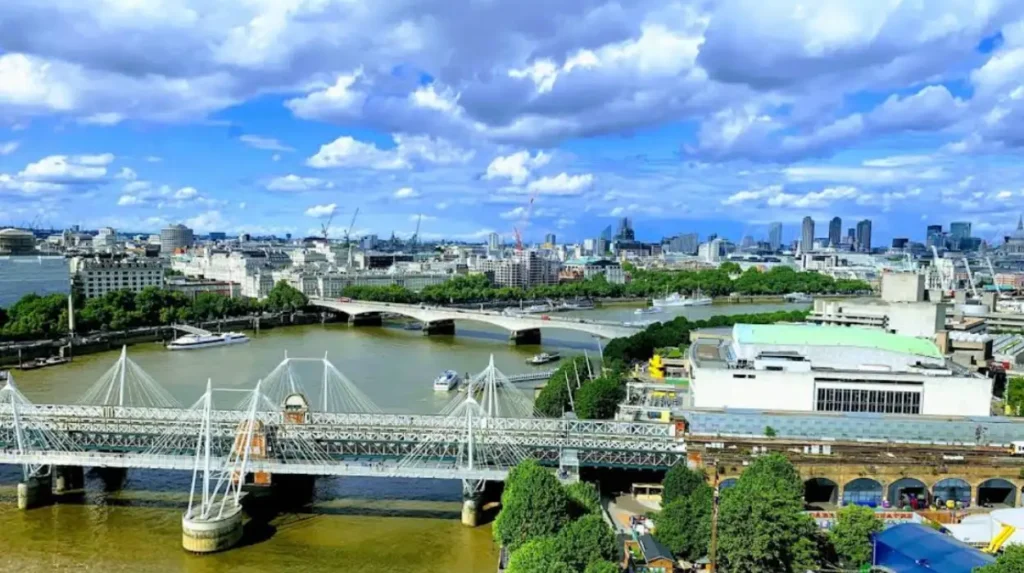
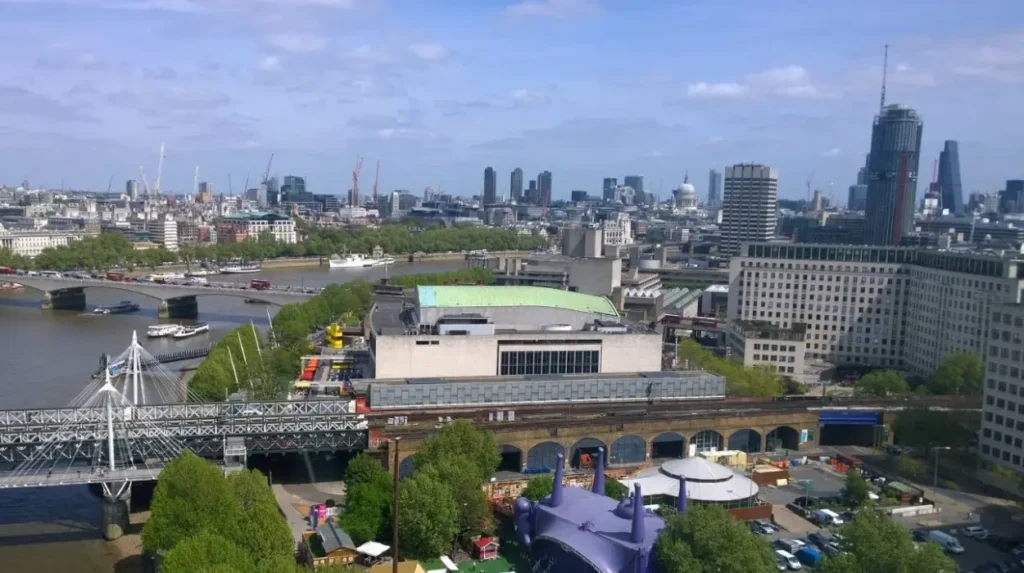
The borough’s northern section developed early as a manufacturing and riverside hub, while the South Bank now hosts major cultural venues including the Royal Festival Hall, Queen Elizabeth Hall, Royal National Theatre, National Film Theatre, and Hayward Gallery. Lambeth’s attractions span history, art, science, and leisure, supporting multiple visitor intents from education to entertainment. As you explore the modern site, you are crossing land with a deep heritage. Read about the full [history of Lambeth Palace and the South Bank] to understand its origins.
Which iconic landmarks and sightseeing attractions define Lambeth?
Lambeth’s iconic landmarks include the London Eye, South Bank Centre, Imperial War Museum, and SEA LIFE London Aquarium, which draw millions of visitors annually for views, culture, and exhibitions. These sites sit along the Thames and provide structured, year-round visitor experiences with ticketing, guided tours, and seasonal events.
The London Eye is a cantilevered observation wheel on the South Bank that lifts passengers to 135 metres (443 feet) for panoramic views across central London. It operates daily with timed tickets and remains one of the most photographed landmarks in the city. The South Bank Centre complex hosts music, theatre, film, and visual arts in multiple venues, creating a dense cultural corridor for visitors.
The Imperial War Museum (IWM London) on Lambeth Road underwent a £30 million refit with new 3,000 square metre Holocaust and World War II galleries. It is open daily from 10:00 to 18:00, with peak times at weekends. The museum focuses on modern conflicts from World War I to the present day and uses artefacts, documents, and immersive displays to explain the impact of war on society.
SEA LIFE London Aquarium opened in 1997 and displays more than 500 species of marine life across 14 themed zones. It is positioned on the South Bank and targets families and school groups with interactive exhibits and conservation messaging. These landmarks form the core sightseeing circuit for first-time visitors and support high-volume tourism flows.
What cultural institutions and museums can tourists explore in Lambeth?
Lambeth hosts major cultural institutions such as the South Bank arts complex, Imperial War Museum, Florence Nightingale Museum, Garden Museum, and Cinema Museum, offering curated exhibitions and educational content. These venues support thematic itineraries for history, science, art, and heritage visitors with clear opening hours and ticketing.
The Florence Nightingale Museum is located at St Thomas’ Hospital and presents the life and legacy of the founder of modern nursing, who was the first female member of the Royal Statistical Society. The museum holds artefacts, uniforms, and documents that explain Nightingale’s impact on healthcare and statistics. Opening times run Tuesday to Sunday, 10:00 to 17:00.
The Garden Museum occupies the former St Mary of Lambeth church next to Lambeth Palace and displays gardening tools, designs, art, and the evolution of gardens over centuries. It demonstrates the repurposing of historic buildings and appeals to horticultural tourists and local residents. The Cinema Museum, formed in 1986, holds film and projection equipment, posters, lobby cards, and items from demolished UK cinemas, with pre-booked tours available.
The South Bank arts complex includes the Royal Festival Hall, Queen Elizabeth Hall, Royal National Theatre, National Film Theatre, and Hayward Gallery, creating a continuous programme of performances and exhibitions. These institutions support cultural tourism with international programming and accessible riverside locations.
How does Lambeth’s history and heritage enhance the visitor experience?
Lambeth’s history enhances visitor experience through 800-year-old Lambeth Palace, Grade I listed architecture, medieval chapels, and libraries that document the Anglican Church’s records. Historic sites provide context for landmarks and create layered narratives for guided tours and self-guided walks.
Lambeth Palace has served as the London home of the Archbishop of Canterbury for more than 800 years, with origins around 1200 AD under Archbishop Hubert Walter. The Crypt Chapel and Lollard’s Tower represent medieval sections, while Morton’s Tower, a Tudor-style red brick gatehouse, was added in 1495. The palace library, founded in 1610, holds over 120,000 books and archives of the Archbishops of Canterbury dating to the 12th century.
The palace suffered damage during the English Civil War and World War II, with reconstruction extending into the late 20th century after a 1941 bomb hit the chapel and Lollard’s Tower. The Great Hall was repurposed into a library in the 1800s by architect Edward Blore, who built a Gothic Revival residential block using Bath Stone. Lambeth Palace is a working building and not open daily, but guided tours and special open days allow visitors to access interiors and gardens.
Archbishop’s Park contains the parish church of St Mary-at-Lambeth, which now houses the Garden Museum. The church tower dates to 1377, and tombs include archbishops and gardeners John Tradescant the elder and his son. These heritage assets support thematic heritage tourism and educational visits.
Which neighbourhoods and local experiences offer authentic Lambeth culture?
Brixton, South Bank, Vauxhall, and Kennington offer authentic Lambeth culture through street markets, independent shops, music venues, restaurants, and community events that reflect the borough’s diversity. Visitors experience daily life, food, and arts beyond major landmarks, supporting repeat visits and longer stays.
Brixton is known for lively street markets, independent shops, and a vibrant music scene, with a history as a hub for immigrants and artists. Brixton Market and Brixton Village provide diverse street food and local produce, creating a focal point for culinary tourism. Windrush Square and surrounding areas celebrate Caribbean heritage and community identity.
The Leake Street Arches and Tunnel near Waterloo host urban street art and creative spaces that attract younger visitors and photographers. Clapham Common and Brockwell Park provide green spaces for picnics, sports, and panoramic city views, supporting leisure tourism and local recreation. Lambeth Walk offers a pedestrian route through historic streets and local businesses.
Lambeth’s dining scene ranges from traditional pubs to international restaurants, with strong representation of Caribbean, African, Asian, and European cuisines. Going out in Lambeth includes restaurants, bars, and nightlife that cater to residents and visitors. These neighbourhoods create a distinction between landmark tourism and lived cultural experiences.
What parks, green spaces, and riverside walks are available in Lambeth?
Lambeth provides parks, green spaces, and riverside walks including the Thames Path, Archbishop’s Park, Brockwell Park, Clapham Common, Tooting Bec Common, and Streatham Common for leisure and outdoor activities. These areas support picnics, sports, jogging, and photography while offering relief from urban density.
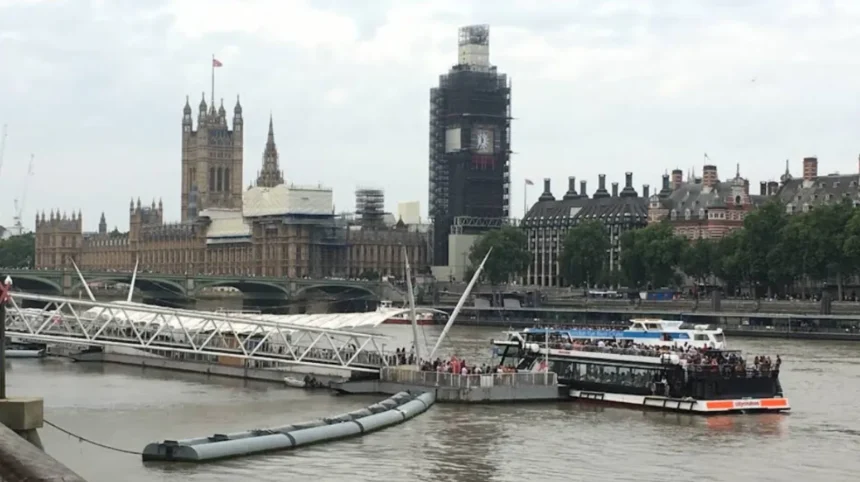
The Thames Path along the South Bank delivers continuous riverfront views and connects major attractions from Westminster Bridge to Vauxhall and beyond. Lambeth Bridge provides scenic viewpoints and photographic opportunities across the river. Archbishop’s Park sits beside Lambeth Palace and includes St Mary’s Church and landscaped grounds.
Brockwell Park in the south of the borough offers greenery, gardens, and panoramic views of the city, supporting family outings and outdoor recreation. Clapham Common, Tooting Bec Common, and Streatham Common form a network of large commons that host sports, events, and informal leisure. The Tibetan Peace Gardens at 107a St Georges Road provide a serene green space with sculptures, consecrated by the Dalai Lama.
Lambeth Palace Garden, a 10-acre historic garden founded in 1197, opens to the public on the first Friday of each month from April to September, 12:00 to 15:00, for a £5 donation to charity. These spaces support active tourism and local wellbeing, extending visitor itineraries beyond museums and landmarks.
How accessible is Lambeth for tourists using public transport and walking routes?
Lambeth is highly accessible through Underground stations, rail links, buses, and riverside walking routes that connect Waterloo, Vauxhall, Clapham, and Brixton to central London and beyond. Visitors can build efficient itineraries using integrated transport and pedestrian-friendly streets.
Waterloo station serves as a major interchange for Underground lines and national rail, positioning Lambeth as a gateway for day visitors and domestic travellers. Lambeth North station provides access to the South Bank and Imperial War Museum. Vauxhall and Clapham stations connect southern districts to the network, supporting multi-neighbourhood tours.
Thames riverside walks link attractions along a continuous path, enabling self-guided itineraries without transport changes. Lambeth’s compact geography allows walking between sites such as the London Eye, South Bank Centre, and Lambeth Palace within short distances. The borough’s transport density supports efficient time use for tourists and business travellers with limited downtime.
What are the best times to visit Lambeth for sightseeing, culture, and leisure?
The best times to visit Lambeth are spring to autumn (April to September) for open gardens, outdoor events, and riverside walks, with year-round indoor attractions such as museums and theatres. Seasonal planning aligns with opening schedules and event calendars for optimal visitor experience.
Lambeth Palace Garden opens from April to September on the first Friday of each month, 12:00 to 15:00, creating a seasonal window for garden tourism. South Bank Centre programmes events across the year, with increased outdoor activity in warmer months. Museums such as the Imperial War Museum and Florence Nightingale Museum operate daily or Tuesday to Sunday schedules, supporting off-season visits.
Weekday mornings reduce crowding at major sites such as the London Eye and IWM London, while weekends see peak attendance. Evening programmes at theatres and galleries extend visitor hours and support cultural itineraries. Seasonal planning ensures access to timed-entry attractions and special open days.
How can tourists plan a one-day or multi-day itinerary in Lambeth?
Tourists can plan a one-day itinerary by combining the London Eye, South Bank Centre, Imperial War Museum, and Lambeth Palace Garden, with optional visits to Florence Nightingale Museum and Brixton Market. Multi-day itineraries add neighbourhood exploration, parks, and cultural events to deepen the experience.
A one-day route might start at Waterloo, proceed along the Thames Path to the London Eye and South Bank Centre, continue to the Imperial War Museum on Lambeth Road, and finish at Lambeth Palace Garden or Archbishop’s Park. A second day can include the Florence Nightingale Museum, Garden Museum, and Leake Street Arches, with an evening in Brixton for food and music.
Multi-day itineraries can distribute museums across days, add parks such as Brockwell Park and Clapham Common, and include cultural events at the Royal National Theatre or Hayward Gallery. Transport hubs at Waterloo, Vauxhall, and Clapham enable efficient routing and rest breaks. Structured planning aligns with opening hours and ticketing requirements for major attractions.
Why does Lambeth rank highly for cultural tourism and repeat visits in South London?
Lambeth ranks highly for cultural tourism and repeat visits because it combines iconic landmarks, diverse neighbourhoods, historic heritage, and accessible transport within a compact, walkable borough. Visitors can target specific interests—history, art, food, or parks—and return for new experiences without leaving the area.
The density of attractions along the South Bank creates a continuous cultural corridor that supports full-day itineraries and event-driven visits. Brixton’s markets and music scene provide a distinct cultural identity that attracts culinary and nightlife tourists. Historic sites such as Lambeth Palace and the Garden Museum add depth for heritage-focused travellers.
Lambeth’s demographic diversity and multilingual environment enhance visitor services and cultural exchange, making it welcoming for international tourists. The borough’s mix of free and paid attractions supports varied budgets and repeat visitation. This combination of factors sustains Lambeth’s position as a leading cultural tourism destination in South London.