Key Points
- Officer Dismissed: PC Dawid Lewicki, attached to the Metropolitan Police Service’s South West Area Command Unit, has been dismissed without notice following an accelerated misconduct hearing.
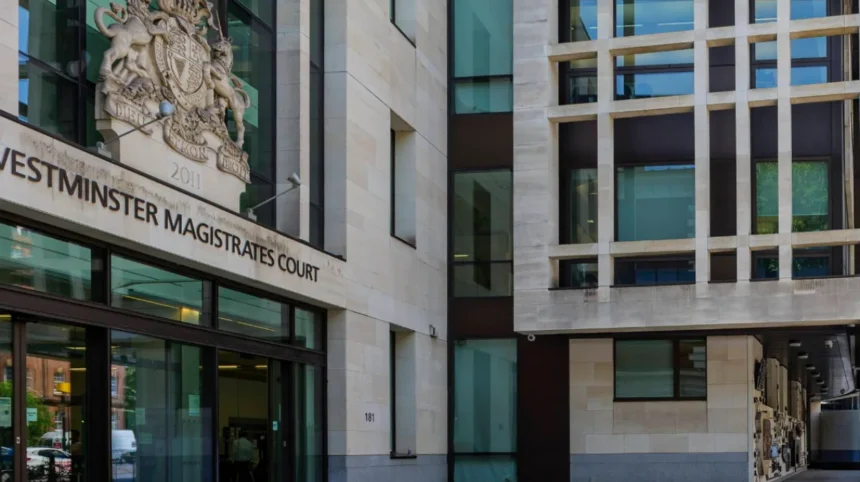
- Judicial Action: Westminster Magistrates’ Court imposed a two-year restraining order against PC Lewicki on 12 June to protect a woman known to him.
- Prohibitions Imposed: The court order bans PC Lewicki from all direct or indirect contact with the woman and prohibits him from visiting her home or workplace until 11 June 2028.
- Gross Misconduct Ruling: The internal disciplinary hearing concluded on 28 August that PC Lewicki breached professional standards regarding discreditable conduct, with his actions amounting to gross misconduct.
- Barred List Entry: PC Lewicki will be placed on the College of Policing Barred List, preventing him from returning to police service or securing statutory policing roles in the future.
South London (South London News) September 1, 2026 – A serving Metropolitan Police officer based in south west London has been dismissed without notice following an accelerated misconduct hearing convened in the wake of a judicial restraining order. PC Dawid Lewicki, who served within the force’s South West Area Command Unit, was formally terminated from his role after a disciplinary panel concluded that his off-duty behavior breached the standards of professional conduct required by law enforcement personnel.
As reported in the official notice published by the Metropolitan Police Service Newsdesk, the disciplinary proceedings followed a ruling by Westminster Magistrates’ Court on Friday, 12 June, where a judicial restraining order was issued against PC Lewicki for the protection of a woman known to him.
The legal directive strictly prohibits the former officer from initiating any direct or indirect contact with the named individual. Furthermore, the order explicitly bans him from attending her residential address or her workplace, remaining in force until Sunday, 11 June 2028.
The disciplinary hearing, held on Friday, 28 August, considered allegations that PC Lewicki’s actions brought disrepute to the police service. As documented by the Metropolitan Police Service, the presiding panel found the allegation of discreditable conduct proven, ruling that his actions constituted gross misconduct of a severity that warranted immediate termination.
In a official statement released by the Metropolitan Police Service, Chief Superintendent Dan Knowles, who oversees policing operations across south west London, emphasized the necessity of stringent behavioral standards for officers. Chief Superintendent Dan Knowles stated that:
“A basic expectation of police officers is that they uphold the law and maintain the highest standards of behaviour, both on and off duty. The public rightly expect officers to act with integrity and off-duty conduct that requires a court-imposed order seriously undermines trust in policing. PC Lewicki’s actions amounted to gross misconduct and his dismissal without notice was the appropriate outcome.”
Following the outcome of the accelerated misconduct process, PC Lewicki will also be formally submitted for inclusion on the official College of Policing Barred List. Inclusion on this registry imposes a permanent statutory bar, preventing the individual from being re-employed by any UK police force or undertaking designated roles within related law enforcement oversight bodies.
Why Was PC Dawid Lewicki Dismissed by the Metropolitan Police?
The termination of PC Dawid Lewicki stems directly from legal proceedings originating at Westminster Magistrates’ Court. According to misconduct hearing details published by the Metropolitan Police Service, PC Lewicki was originally arrested and charged with stalking and harassment, entering a plea of not guilty. Prior to the trial date scheduled for 12 June 2026, the complainant withdrew her formal criminal allegations.
However, as reported in the official misconduct documentation from the Metropolitan Police Service, a civil restraining order was applied for and granted after PC Lewicki made explicit admissions regarding unwanted contact with the complainant.
Magistrates determined that an order was necessary to protect the woman from further non-consensual contact or distress.
Under Police Conduct Regulations, off-duty actions that result in court-mandated restrictions fall under the classification of discreditable conduct.
The Metropolitan Police Service’s Directorate of Professional Standards subsequently accelerated the internal disciplinary process, culminating in the hearing on 28 August where the gross misconduct finding was formally recorded.
What Constraints Does the Restraining Order Place on PC Lewicki?
The judicial order handed down by Westminster Magistrates’ Court establishes strict, legally binding conditions governing PC Dawid Lewicki’s behavior through June 2028.
As detailed in the public notice by the Metropolitan Police Service, the specific prohibitions include:
- No Contact: Complete restriction against reaching out to the complainant directly or indirectly through third parties, electronic communications, or social media platforms.
- Exclusion Zones: A total prohibition from approaching, entering, or loitering near the complainant’s home address.
- Workplace Ban: A specific ban prohibiting PC Lewicki from visiting or lingering near the complainant’s place of employment.
Breaches of a restraining order issued under the Protection from Harassment Act 1997 represent a criminal offence punishable by fine or imprisonment, independent of any police internal procedures.
Explore More South London Crime News
Met Police Seize Illegal Knives in Dawn Raid South London 2026
Mohamed Sherif Charged With Murder in Fatal Fall: Southwark 2026
Background of the Particular Development
This dismissal occurs amid heightened public scrutiny and ongoing systemic reforms within the Metropolitan Police Service regarding officer misconduct, particularly concerning off-duty behavior involving women.
In recent years, the Met has faced significant institutional pressure following high-profile criminal cases involving serving officers. In response to public criticism and independent reviews—most notably the Baroness Casey Review—the force committed to rigorous standards of internal accountability, expanding the mandate of its Directorate of Professional Standards and introducing accelerated misconduct hearings for cases involving clear legal findings or court orders.
Accelerated misconduct hearings allow senior police commanders to bypass lengthy standard tribunal procedures when the evidence of misconduct is incontrovertible, such as a criminal conviction or a court-mandated order.
The automatic referral of dismissed officers to the College of Policing Barred List was introduced across England and Wales to ensure that individuals removed for gross misconduct cannot re-enter public law enforcement or related security sectors.
Prediction: How This Development Will Affect the Relevant Audience
This outcome carries direct implications for several distinct audiences, ranging from the general public to the internal structure of law enforcement.
For London residents, particularly women living within the South West Area Command Unit’s jurisdiction, the immediate dismissal of an officer subject to a restraining order serves as a visible application of accountability measures.
While cases of officer misconduct historically erode public confidence, the swift deployment of an accelerated hearing and public reporting may signal to local communities that off-duty personal conduct is actively monitored and penalized.
Within the Metropolitan Police Service and broader UK police forces, this case reinforces a firm operational precedent regarding off-duty behavior. Serving officers are placed on clear notice that court-imposed civil orders—even those arising from cases where criminal charges are subsequently withdrawn—are sufficient grounds for gross misconduct findings and immediate dismissal.
The addition of PC Lewicki to the College of Policing Barred List highlights the irreversible career consequences associated with domestic or interpersonal misconduct.
For individuals seeking protection orders against law enforcement employees, the outcome demonstrates that internal police disciplinary bodies will act upon magistrate rulings independently of trial verdicts.
This structural outcome may encourage individuals involved in disputes with serving officers to engage with both the civil judicial system and the Directorate of Professional Standards.