Key Points
- Two Iranian nationals, Mostafa Sepahvand, 41, and Farhad Javadi Manesh, 46, have been found guilty of spying for Iran following a six-week trial at Woolwich Crown Court in south London.
- Both men were convicted of engaging in conduct likely to assist the Islamic Revolutionary Guard Corps (IRGC), which the UK outlawed in July under new counter-state threat legislation carrying penalties of up to 14 years in prison.
- A third defendant, Shapoor Qalehali Khani Noori, 57, was acquitted on all charges.
- The surveillance operation targeted Iran International journalists Mojtaba Pourmohsen and Kambiz Hosseini, alongside Jonathan Turner, a founding member of UK Lawyers for Israel.
- Chief prosecutor Frank Ferguson stated the pair were promised rewards for sending intelligence to Iran, adding that Sepahvand was prepared to carry out serious violence against the targets.
- Metropolitan Police Deputy Assistant Commissioner Vicki Evans confirmed this marks the fourth case in recent years involving a direct threat to Iran International journalists.
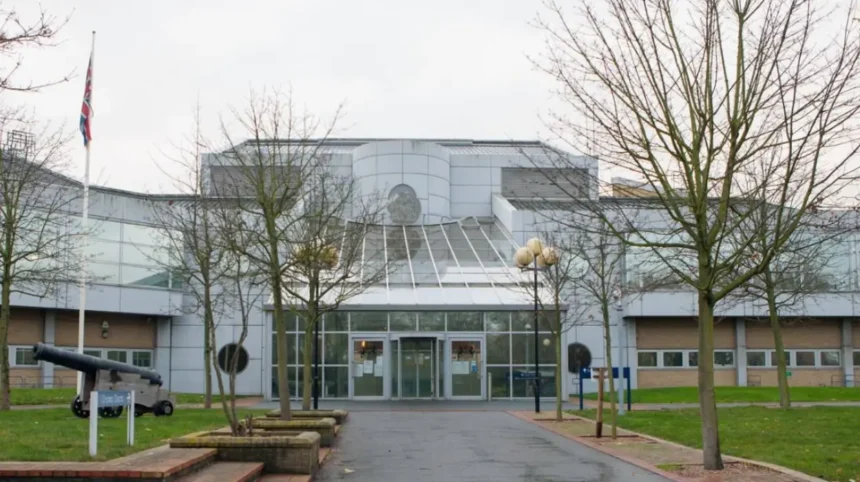
South London (South London News) November 13, 2026 – Two Iranian men who spied on journalists working for a Persian-language broadcaster in London were found guilty on Thursday of espionage on behalf of Iran, following a six-week trial at Woolwich Crown Court in south London.
- Key Points
- Who Was Convicted at Woolwich Crown Court?
- What Did Prosecutors Reveal About the Operation?
- Who Were the Targets of the Surveillance?
- How Has the Metropolitan Police Responded to Hostile State Threats?
- What Is the Background of UK Counter-Threat Measures Against the IRGC?
- How Could This Development Affect Exiled Journalists and Diaspora Communities in the UK?
Who Was Convicted at Woolwich Crown Court?
Mostafa Sepahvand, 41, and Farhad Javadi Manesh, 46, were convicted of engaging in conduct likely to assist the Islamic Revolutionary Guard Corps (IRGC). Under new UK powers introduced in July to counteract state threats, the IRGC was formally outlawed, establishing maximum penalties of up to 14 years in prison for anyone convicted of supporting or assisting the organisation. A third defendant standing trial alongside the pair, Shapoor Qalehali Khani Noori, 57, was acquitted on all charges.
What Did Prosecutors Reveal About the Operation?
During the proceedings, prosecutors detailed how the intelligence-gathering plot was structured and incentivised. Frank Ferguson, chief prosecutor for the Crown Prosecution Service’s special crime and counter-terrorism division, stated that
“This was a calculated operation to spy on those critical of the Iranian regime.”
Ferguson further noted that the two convicted men were promised rewards in exchange for transmitting intelligence back to Iran. According to the chief prosecutor, Sepahvand was also willing to go beyond surveillance to commit serious violence against their intended targets.
Who Were the Targets of the Surveillance?
The individuals targeted by the operation included two journalists working for the Persian-language broadcaster Iran International, Mojtaba Pourmohsen and Kambiz Hosseini, as well as Jonathan Turner, a founding member of UK Lawyers for Israel. Iran International is officially banned by the government in Tehran.
How Has the Metropolitan Police Responded to Hostile State Threats?
London’s Metropolitan Police confirmed that this conviction represents the fourth case in recent years involving a direct threat to Iran International journalists, stating that the force is “working hard to keep them safe.”
Commenting on the broader pattern of foreign interference, Vicki Evans, a deputy assistant commissioner at the Metropolitan Police, stated that
“The threat from hostile states to the U.K. is increasing and Iran continues to adapt its approach to using ‘proxies’.”
Evans added that law enforcement has observed shifting operational methods, noting,
“We have seen examples of people who fly into the country to carry out criminal activity and then leave shortly afterwards, to using British nationals or, in this case, Iranian nationals with settled immigration status.”
What Is the Background of UK Counter-Threat Measures Against the IRGC?
The convictions at Woolwich Crown Court follow the United Kingdom’s decision in July to outlaw the Islamic Revolutionary Guard Corps under newly enacted powers designed to counteract state threats. This legislative measure introduced strict legal repercussions, setting maximum custodial sentences of up to 14 years for individuals found guilty of supporting or assisting the organisation. The case also sits within a documented pattern of security incidents in the UK, serving as the fourth recent investigation involving direct threats aimed at staff of Iran International, a broadcaster banned by authorities in Tehran.
How Could This Development Affect Exiled Journalists and Diaspora Communities in the UK?
The outcome of the trial demonstrates the enforcement of the UK’s counter-state threat powers against individuals with settled immigration status acting on behalf of foreign entities. For Persian-language broadcasters, exiled journalists, and advocacy groups operating in London, the ruling underscores both the ongoing risk of surveillance and potential violence from foreign proxies and the active intervention of British counter-terrorism prosecutors and police. Going forward, media organisations and diaspora figures critical of the Iranian government may face continued security vigilance as authorities monitor evolving proxy tactics within the United Kingdom.