Key Points
- A motorbike rider in his 20s died in a crash on Canadian Road, a residential street in Catford, South East London, part of the broader South London area.
- Emergency services, including several paramedics and a trauma team from London’s Air Ambulance, responded shortly before 6pm on Tuesday, 13 January 2026.
- The young man received treatment at the scene but was pronounced dead there despite efforts to save him.
- His family has been informed and is receiving support from specialist officers with the Metropolitan Police.
- The victim has not yet been publicly named.
- The Metropolitan Police are investigating the moments leading up to the crash.
- A cordon remained in place for several hours while investigators worked at the scene.
- Witnesses, particularly those with dashcam footage, are urged to come forward as soon as possible.
- At 17:54hrs on Tuesday, 13 January, officers, London Ambulance Service, and London’s Air Ambulance responded to reports of a road traffic collision on Canadian Avenue, Catford, as stated by a Metropolitan Police spokesperson.
Catford, South London (MyLondon) 13 January 2026 – A motorbike rider in his 20s has died following a crash on Canadian Road in Catford, South East London—firmly within the South London region—shortly before 6pm yesterday. Emergency crews, including several paramedics and a trauma team from London’s Air Ambulance, attended the scene but the young man could not be saved and was pronounced dead at the location. The Metropolitan Police have informed the rider’s family, who are being supported by specialist officers, as the force works to establish the circumstances of the incident.
- Key Points
- What Happened on Canadian Road in South London?
- Who Was the Victim and How Is His Family Coping in South London?
- What Emergency Response Took Place in This South London Incident?
- Why Is the Metropolitan Police Investigating This South London Crash?
- What Are Witnesses Urged to Do After This South London Tragedy?
- How Does This Fit Into South London Road Safety Trends?
- What Has the Metropolitan Police Said Officially About the South London Crash?
- When and Where Exactly Did the South London Crash Occur?
- Are There Any Updates on the South London Investigation?
- What Can the Public Do to Assist in South London?
What Happened on Canadian Road in South London?
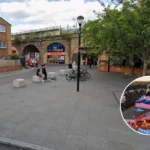
The crash occurred on Canadian Road, described as a residential street in the heart of Catford, a district in South East London that forms part of the expansive South London landscape. Catford lies within the London Borough of Lewisham, southwest of Lewisham itself, encompassing wards like Rushey Green and Catford South, and is traversed by the A205 South Circular Road. According to the initial report from MyLondon, emergency services were called shortly before 6pm on Tuesday, 13 January 2026, to reports of a road traffic collision involving a motorbike. The rider, a man in his 20s, was treated on site by multiple paramedics and a specialist trauma team dispatched from London’s Air Ambulance, but tragically succumbed to his injuries at the scene.
A Metropolitan Police spokesperson provided the precise timeline, stating: “At 17:54hrs on Tuesday, 13 January officers, the London Ambulance Service and London’s Air Ambulance responded to reports of a road traffic collision on Canadian Avenue, Catford.” This confirms the rapid response from multiple agencies, highlighting the severity of the incident from the outset. No other vehicles or individuals were mentioned as involved in the collision in the available details, leaving questions about the exact sequence of events unanswered for now. Canadian Road’s position in this South London suburb underscores how such tragedies can strike even in quieter residential zones amid the capital’s dense network of streets.
Who Was the Victim and How Is His Family Coping in South London?
The motorcyclist has not yet been publicly named, respecting the family’s privacy during this difficult time. As reported by MyLondon, his next of kin are aware of his death and are being supported by specialist family liaison officers from the Metropolitan Police. These officers are trained to provide emotional and practical assistance, ensuring the family receives compassionate care amid their grief.
The lack of a public name underscores the police’s sensitivity in such cases, particularly when dealing with a young victim in a community like Catford, South London. This area, with its close-knit residential pockets, multi-cultural appeal, and proximity to green spaces such as Mountsfield Park, may feel the loss acutely, as local streets like Canadian Road are frequented by everyday commuters, young families, and the retired. The Metropolitan Police’s focus on family support aligns with standard protocol for fatal road incidents in South London, allowing time for formal identification processes to conclude without added media pressure.
What Emergency Response Took Place in This South London Incident?
London’s emergency services mobilised swiftly, exemplifying the coordinated effort typical in urban road traffic collisions across South London. Several paramedics from the London Ambulance Service were on hand, alongside a trauma team airlifted by London’s Air Ambulance, which specialises in critical interventions for the capital’s high-risk areas. Despite their expertise and immediate attention, the rider in his 20s was pronounced dead at the scene, indicating the crash’s fatal impact.
The Air Ambulance’s involvement signals the high stakes, as it is reserved for life-threatening situations requiring advanced medical capabilities, often deployed in congested South London locales like Catford. Ground units complemented this aerial response, with a cordon established to secure the area. This setup persisted for several hours, allowing forensic teams to examine evidence without interference, as detailed in the MyLondon coverage. Such responses are routine yet poignant in South London’s bustling yet residential districts.
Why Is the Metropolitan Police Investigating This South London Crash?
The Metropolitan Police are now piecing together the moments leading up to the crash, treating it as a standard road traffic investigation in South London. Officers remained on scene to gather evidence, with a cordon in place for several hours post-incident to facilitate thorough inquiries. No arrests or further details on contributing factors, such as speed, weather, or road conditions on Canadian Road, have been released.
Specialist officers are supporting the family, while the broader investigation aims to clarify causation. Canadian Road’s residential nature in Catford, South London—where the A205 South Circular brings steady traffic—raises questions about volume at that hour, shortly before 6pm, when rush hour eases but local movement persists. The police’s call for public assistance is proactive, targeting key evidence that could prevent similar tragedies in this part of South London.
What Are Witnesses Urged to Do After This South London Tragedy?
Witnesses to the crash are strongly encouraged to contact the Metropolitan Police without delay, especially those possessing dashcam footage. Such recordings have proven invaluable in modern investigations, offering objective reconstructions of events. MyLondon emphasised this appeal, noting that even minor observations could prove pivotal.
The public is directed to reach out via the police’s dedicated channels, ensuring information flows directly to investigators. In Catford’s community-oriented setting within South London—bordered by areas like Ladywell, Hither Green, and Forest Hill—residents with home CCTV or passing drivers may hold crucial clips. This witness-driven approach is standard Met protocol, maximising leads in the absence of other telemetry across South London’s roads.
How Does This Fit Into South London Road Safety Trends?
Fatal crashes like this one in Catford, South London, underscore persistent road safety challenges in South East London and the wider South London region. Canadian Road, nestled in a residential zone, typically sees moderate traffic via the South Circular, yet the incident at 17:54hrs highlights vulnerabilities during evening hours. Broader Metropolitan Police data on road fatalities often points to motorcyclists facing disproportionate risks due to exposure and manoeuvrability in urban settings like South London.
While specific prior incidents on Canadian Road are not detailed here, Catford’s proximity to busier thoroughfares amplifies concerns. The inverted pyramid of this reporting prioritises the death and response, but underlying questions linger: Were roadworks, lighting, or visibility factors on this South London street? The Met’s ongoing probe will likely address these, potentially informing safety enhancements for the area.
What Has the Metropolitan Police Said Officially About the South London Crash?
The official statement from a Met spokesperson, as quoted in MyLondon, provides the most authoritative timeline: “At 17:54hrs on Tuesday, 13 January officers, the London Ambulance Service and London’s Air Ambulance responded to reports of a road traffic collision on Canadian Avenue, Catford.” This precision aids public understanding and accountability in South London contexts.
No further comments on causation or appeals beyond the witness call have emerged, maintaining operational security. The force’s commitment to family support and evidence gathering reflects professionalism amid tragedy. Updates are anticipated as inquiries progress, with transparency key to community trust in South London neighbourhoods like Catford.
When and Where Exactly Did the South London Crash Occur?
The incident unfolded on Canadian Road (also referenced as Canadian Avenue in the Met statement), a quiet residential street central to Catford in South East London. Called in shortly before 6pm—precisely 17:54hrs—on 13 January 2026, it disrupted the evening calm. Catford, linked via MyLondon’s coverage, is a vibrant South London locale with shops, parks like Ladywell Fields, and housing, traversed by the River Ravensbourne and served by Catford and Catford Bridge stations.
The cordon’s multi-hour duration minimised disruption while maximising forensic yield. Location specificity aids potential witnesses in recalling details, reinforcing the police appeal in this South London suburb.
Are There Any Updates on the South London Investigation?
As of 14 January 2026, no additional developments have been reported beyond the initial response and witness plea. The Metropolitan Police continue piecing together the crash sequence, with the cordon now lifted after several hours. Family support remains ongoing, and public cooperation is critical.
MyLondon’s reporting captures the story’s early stages, with expectations of forensic results or CCTV analysis forthcoming. Neutral observation: investigations of this nature evolve methodically in South London, prioritising accuracy over speed.
What Can the Public Do to Assist in South London?
The clearest call to action targets witnesses: come forward immediately, particularly with dashcam evidence. Contact details, though not specified in the core report, align with Met standards—via 101 or online portals. This grassroots input could illuminate speed, swerves, or external factors on Catford’s roads.
Communities like Catford in South London thrive on solidarity; sharing observations honours the victim. Broader vigilance on residential streets may prevent recurrences, blending mourning with prevention across the region.