South London residents affected by persistent dog barking in Southwark can take structured, enforceable steps through the borough’s noise‑nuisance system. Southwark Council’s Environmental Protection and Noise & Nuisance teams handle complaints under the Environmental Protection Act 1. Works are recorded, letters are issued, and, if necessary, formal legal notices are served on dog owners. This guide explains how South Londoners can report dog barking to Southwark’s rapid‑response channels, what evidence to collect, what process to expect, and how to escalate if the problem continues.
- What counts as a reportable dog‑barking nuisance in Southwark?
- What is Southwark’s rapid‑response route for dog‑barking complaints?
- How do you start a dog‑barking complaint in Southwark?
- What practical steps should you take before contacting Southwark?
- What evidence should you collect for a dog‑barking complaint?
- What happens after you report dog barking to Southwark?
- Can Southwark take legal action over dog barking?
- How long does it take for Southwark to respond to a dog‑barking complaint?
- What can you do if Southwark’s response feels slow or ineffective?
- How does Southwark’s role connect to dog‑welfare and animal‑control rules?
- Why is dog barking in South London such a significant issue?
- What can Southwark residents do to prevent dog‑barking problems?
- How to report dog barking to Southwark’s rapid response in South London: quick summary
What counts as a reportable dog‑barking nuisance in Southwark?
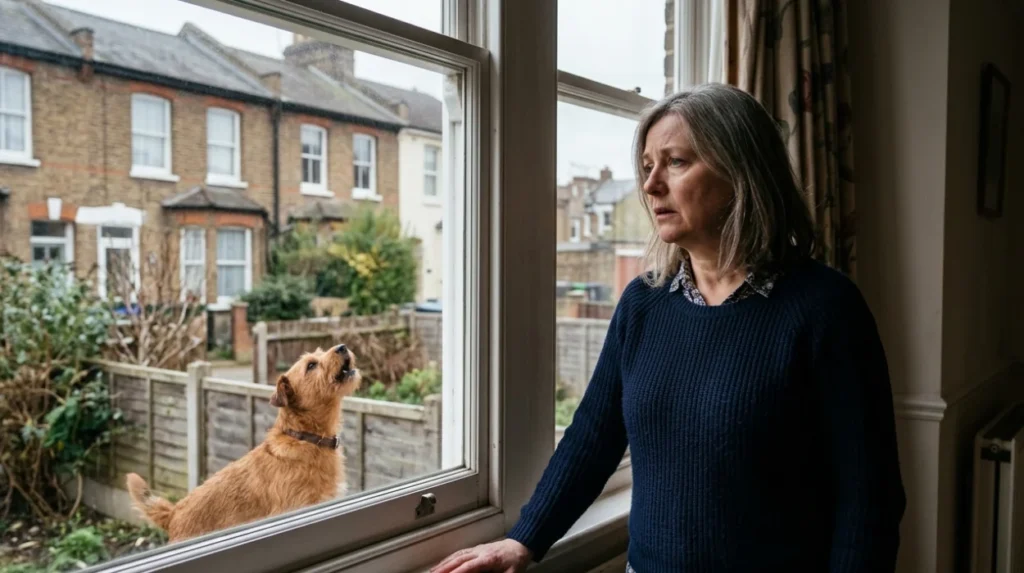
Persistent dog barking that regularly disturbs your rest, sleep, or daily activities can be treated as a statutory nuisance under the Environmental Protection Act 1990. In Southwark, this includes barking that occurs at night, during early‑morning hours, or repeatedly throughout the day and feels unreasonable to an average person. Neighbourhood noise complaints in Southwark cover loud music, car alarms, DIY, construction noise and noisy animals, including barking dogs.
If the barking happens once or twice briefly, it is usually treated as a minor disturbance that may not meet the legal threshold. Council officers look for patterns that suggest a “serious” or “repetitive” nuisance, rather than a one‑off incident. South London residents should check whether the noise crosses into nuisance territory by noting how often it happens, how loud it is, and what impact it has on daily life.
Statutory nuisance rules mean that if the barking is unreasonable and persistent, Southwark can take formal action. Officers measure this against what an ordinary person would find acceptable, plus any sensitivity you may have to noise. If the noise is clearly linked to a specific dog or property, it becomes easier for the council to investigate and intervene.
What is Southwark’s rapid‑response route for dog‑barking complaints?
Southwark operates a dedicated Noise & Nuisance rapid‑response line for ongoing or immediate noise problems, including dog barking. The council directs residents to call 020 7525 5777 during service hours to report a noise problem that is happening now. This line is specifically for situations where the disturbance is active and needs a fast officer response.
If the barking is not happening at the time of the call, Southwark still treats it as a neighbourhood‑noise complaint but will not dispatch an immediate visit. Instead, officers will call you back to confirm the issue, ask for a convenient time to visit, and then assess the situation at the property or in the area. The goal is to verify the noise, identify the source, and begin a formal process if it meets nuisance criteria.
For residents in South London, this number is the primary rapid‑response channel for dog‑barking issues. Social posts and council communications confirm that loud music, car alarms and barking dogs are all covered under the same line. If the barking continues after the call, the council can escalate the case through written warnings and regulatory notices.
How do you start a dog‑barking complaint in Southwark?
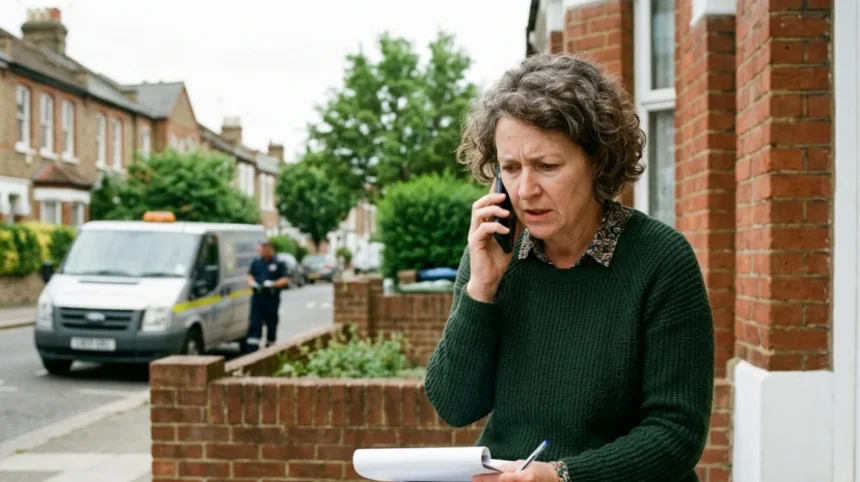
To start a complaint, South London residents must contact the Southwark Noise & Nuisance team by phone or online. The council advises calling 020 7525 5777 if the barking is currently occurring during service hours. If the noise is not happening at the moment, you can still report it as an ongoing issue through the council’s online “noise problem” or neighbourhood‑noise channels.
When you call, be ready to provide your name, address, and a brief description of the noise. Officers will ask what time it usually happens, how long it lasts, and how it affects you. They may also ask for the neighbour’s address if you know it, or at least a clear description of where the dog is located.
Southwark then logs the complaint and assigns it to Environmental Protection or Environmental Noise officers. Those officers may call you back to schedule a visit or ask for more details, especially if you describe the barking as frequent or long‑lasting. This first step is the formal trigger for the council’s investigation and any follow‑up enforcement.
What practical steps should you take before contacting Southwark?
Before you contact the council, try to document the barking and, if possible, speak with the neighbour. Southwark and similar councils in London commonly advise that residents keep a simple noise diary showing dates, times and duration of the barking. This written record helps officers see a pattern and supports any later legal action.
If you feel safe, a brief, polite conversation with the dog owner can sometimes resolve the issue. Mention when the barking is most disruptive and how it affects you or your family. Many owners are unaware their dog is causing a nuisance and may adjust training, walking routines, or access to the garden.
If direct contact fails or makes the situation worse, stop engaging and shift to formal channels. Do not confront the neighbour aggressively or threaten them, as this can escalate conflict. Instead, focus on collecting objective evidence such as dates, times, and descriptions of the noise, which can be used by Southwark officers.
What evidence should you collect for a dog‑barking complaint?
Southwark and other London councils expect residents to provide clear, consistent evidence of nuisance barking. A noise diary is the most common form of evidence; it should include the date, start and end time of each barking episode, how long it lasts, and what you were doing when it disturbed you (for example, sleeping, working from home, or caring for a child). This shows frequency, duration, and impact.
If safe and legal, you can also record short audio clips or videos of the barking. Do not record inside the neighbour’s property or use hidden devices, as this may breach privacy and data‑protection rules. Officers are more likely to accept evidence that is taken from your own property and clearly shows the noise and its timing.
Some councils ask complainants to note their location on their property when the noise is heard (for example, bedroom window, living room, or garden). This helps assess whether the noise is penetrating into your home or is mainly an outdoor occurrence. In Southwark, if the barking continues after the initial investigation, keeping this kind of record strengthens any case for a formal notice.
What happens after you report dog barking to Southwark?
Once you report dog barking, Southwark’s officers follow a set process. First, they review your complaint and may call you back to confirm details and arrange a visit time. If the noise is ongoing, an officer will visit your property or the area to listen for the barking and identify the source.
If the officer can confirm the noise as a nuisance, they will usually speak to the dog owner and ask them to reduce it. This can include simple changes such as bringing the dog indoors, moving it to a quieter area, or adjusting when it is left outside. In many cases, an informal warning is enough to resolve the problem.
If the barking continues after this visit, Southwark may issue a formal letter or notice to the owner, warning that the noise could be treated as a statutory nuisance. If the owner ignores that notice and officers again witness a nuisance, the council can serve a legal notice under the Environmental Protection Act 1990 and, if necessary, begin prosecution.
Can Southwark take legal action over dog barking?
Yes. Persistent dog barking that meets the statutory‑nuisance threshold can be treated as an offence under the Environmental Protection Act 1990. Southwark officers can witness the noise, document it, and serve an abatement notice on the dog owner. That notice legally requires the owner to stop or reduce the barking within a set time.
If the owner breaches the notice, the council can prosecute them in magistrates’ court. Fines can be substantial, and owners may also be ordered to pay court costs. In some cases, the court can impose additional conditions, such as requiring the dog to be kept in a different location or under stricter supervision.
South London residents should understand that prosecution is usually a last resort. The system is designed to resolve issues at the informal and warning stages whenever possible. However, having a clear record of complaints and evidence makes it easier for Southwark to move to formal enforcement if the barking remains a problem.
How long does it take for Southwark to respond to a dog‑barking complaint?
When the barking is happening now, Southwark aims to respond during service hours through the 020 7525 5777 line. Officers may call you back quickly to check if the noise is still occurring and then arrange a visit time. For urgent current noise, the response is often within the same day or within a few hours.
For ongoing or non‑urgent complaints, the timeline can be longer. Southwark may take several days to log the issue, schedule a visit, and complete the initial assessment. In some cases, residents report that officers visit once the barking is frequent enough to be verified as a pattern.
Residents should be prepared to keep a diary during this period, as the investigation may not be instant. If the barking continues without improvement, you can follow up with the council to request updates or escalate within their complaints process.
What can you do if Southwark’s response feels slow or ineffective?
If Southwark’s response feels delayed or ineffective, you can escalate within the council’s own complaints system. Southwark publishes a formal complaints procedure that residents can follow, including contacting the relevant department and then, if unsatisfied, raising the matter with the Housing Ombudsman or other oversight bodies. Written complaints should include dates, times of barking, and copies of any noise diary or correspondence.
You can also request written updates from the Noise & Nuisance team, including confirmation that your case is being reviewed and what stage of the process it has reached. Keeping a paper trail helps if you later need to reference the council’s actions or lack thereof.
South London residents have in some cases used the Ombudsman or local media to highlight chronic dog‑barking issues, as seen in complaints about Southwark being among the worst boroughs for noisy‑dog reports. Public pressure combined with proper documentation can push councils to prioritise persistent nuisance cases.
How does Southwark’s role connect to dog‑welfare and animal‑control rules?
Southwark’s noise process focuses on environmental protection and nuisance, not general dog‑welfare or animal‑control. However, if barking is linked to a dog being left alone for long periods, chained, or kept in poor conditions, those issues may overlap with animal‑welfare laws enforced by other agencies. In such cases, South London residents can contact the local authority animal‑control unit or charities such as the RSPCA, which have powers to investigate welfare concerns.
Environmental Protection officers do not usually enter private property without consent, but they can observe and record noise from outside and in shared areas. If a dog is also causing other problems, such as aggressive behaviour, fouling, or threats to neighbours, those may be reported to local police or animal‑control services as separate issues. Southwark’s rapid‑response line is for noise, while animal‑welfare and public‑safety issues require different reporting routes.
Why is dog barking in South London such a significant issue?
Dog barking is a notable issue in South London because of dense housing, shared walls, and limited outdoor space. Southwark has recorded over 2,000 dog‑barking complaints in a single year, making it one of the worst boroughs in London for noisy‑dog reports. That volume reflects how common and disruptive such noise can be in multi‑occupancy flats and terraced streets.
High‑rise housing, shared balconies, and thin internal walls mean that barking can travel between properties, amplifying the perceived loudness. People working from home, shift‑workers, or those with young children are often more affected by irregular barking at night. This pattern explains why South London residents frequently turn to Southwark’s rapid‑response channels rather than relying only on informal neighbour‑to‑neighbour resolution.
What can Southwark residents do to prevent dog‑barking problems?
Residents can reduce the risk of dog‑barking problems by choosing quieter dog breeds, providing proper training, and ensuring dogs are not left alone for long periods. Supervised outdoor access, consistent routines, and professional training can all reduce anxiety‑related barking. If you live in a flat or terraced house, keeping the dog away from shared walls or noisy areas can lessen the impact on neighbours.
If you are considering getting a dog, checking local housing rules and speaking to neighbours beforehand can prevent later disputes. Some South London housing schemes and landlords have specific rules about pets, including restrictions on certain breeds or numbers of animals. Being upfront about your dog’s habits and willingness to respond to complaints can help keep relationships calm if barking ever becomes an issue.
How to report dog barking to Southwark’s rapid response in South London: quick summary
South London residents who hear persistent dog barking in Southwark should treat it as a neighbourhood noise complaint and contact the Southwark Noise & Nuisance team on 020 7525 5777 if the barking is happening now. Keep a noise diary with dates, times, and impact, and be ready to share it if the council asks. If informal warnings fail, Southwark can issue formal notices and, where necessary, pursue legal action under the Environmental Protection Act 1990.
By following Southwark’s structured route—documenting the noise, contacting the rapid‑response line, allowing officers to investigate, and escalating only if needed—South Londoners can protect their right to a reasonable level of quiet without relying solely on direct confrontation. This approach balances resident well-being, neighbour relations, and lawful enforcement in one of London’s busiest boroughs for dog‑barking complaints.
How do I report a barking dog in Southwark?
You can contact Southwark Council via their Noise & Nuisance team on 020 7525 5777 (if noise is happening at the time) or use their online reporting system for ongoing issues.