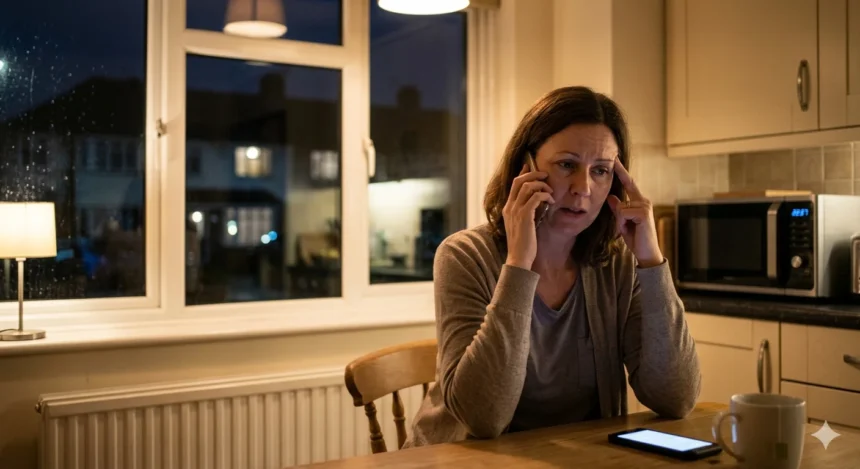
Bromley residents facing excessive noise after hours can contact the council’s out-of-hours noise service directly between 7pm and 2am on Fridays, Saturdays, Sundays, and Bank Holidays. This service targets ongoing eligible emergency issues like noisy parties or continuous alarms, helping local residents in South London restore peace quickly and legally through Bromley Council.
Why This Issue Matters to Local Residents
Noise disturbances disrupt sleep, work, and daily life for many in Bexley, Bromley, Lewisham, Southwark, Greenwich, and Croydon. In busy South London boroughs, late-night parties, alarms, or construction often affect families and shift workers who rely on quiet evenings.
These issues reduce quality of life and can lead to stress or health concerns if unresolved. South London council services like Bromley’s provide essential support, ensuring residents maintain a peaceful home environment without confrontation.
Local residents value responsive options, especially out-of-hours when standard services close. This keeps communities harmonious across neighbouring areas like Bexley Council and Lewisham Council territories.
Which Council Service Handles It
Bromley Council’s out-of-hours noise service manages eligible emergency complaints during specified weekend and holiday nights. It falls under the Pollution Control team, focusing on immediate disturbances rather than new daytime reports.
This service differs from regular hours, prioritising active problems like licensed premises noise or referral cases. Neighbouring South London councils, such as Greenwich or Croydon, have similar setups but Bromley handles its borough specifically.
Residents in Bexley or Southwark should confirm their own council’s protocols, though Bromley’s model offers a practical benchmark for South London noise resolution.
Step-by-Step Actions to Solve the Problem
Follow these steps when noise occurs within service hours.
- Confirm the time: Service runs 7pm to 2am on Fridays, Saturdays, Sundays, and Bank Holidays.
- Call the out-of-hours line and provide your full name, address, contact number, and precise details of the noise source, including the affected address.
- Stay available: Expect a callback from the duty officer who assesses priority based on history and impact.
- If requested, allow access to your home for assessment and monitor if noise stops before arrival—notify the service to redirect resources.
- Log ongoing issues for weekday follow-up if ineligible out-of-hours.
These actions enable swift council intervention while complying with procedures.
Information or Documents Needed
Provide accurate details upfront for effective handling. Key information includes your full name, home address, phone number, and a clear description of the noise—type, location, duration, and frequency.
For referral cases, have the case reference number ready. Anonymous complaints are not accepted, ensuring accountability.
No formal documents are required initially, but later stages may need a supporting witness statement. Keep noise diaries for patterns, aiding South London council investigations.
Expected Response Time
Responses vary by demand and eligibility. Eligible calls receive priority assessment, with a duty officer callback to outline steps, potentially including a visit.
High-demand periods or late calls may delay visits, shifting cases to office hours. Bromley aims for responsiveness, but resource limits apply.
Most eligible issues see action that night if witnessed ongoing. Local residents report quicker resolutions for verified emergencies.
What to Do If Follow-Up Is Required
If noise persists or the initial visit yields no resolution, inform the service immediately. Update via callback or weekday contact for continued logging.
Request progress on referral cases and provide further evidence like diaries. Escalate to formal notices if breaches occur, phoning during incidents.
Engage courteously and access your home for reassessments. Persistent problems may lead to mediation or enforcement under council oversight.
Rights and Responsibilities Under UK Rules
UK Environmental Protection Act 1990 defines statutory nuisance, empowering councils like Bromley to investigate and serve abatement notices. Residents have the right to report without fear, with details kept confidential.
Responsibilities include providing full details, allowing access, and supporting statements for enforcement. Breaching notices is an offence, prosecutable by councils.
Residents must avoid unfounded reports and cancel if noise stops. South London councils uphold these balanced rights, protecting all parties legally.
Practical Tips to Avoid the Problem in Future
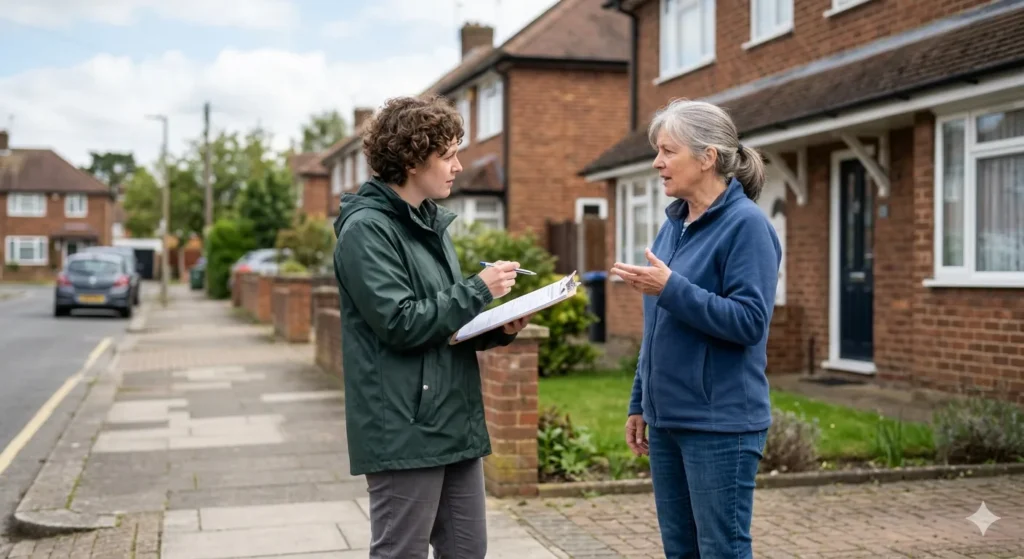
Build good neighbour relations through early polite discussions about noise expectations. Keep personal events contained, respecting quiet hours.
Install soundproofing like heavy curtains or rugs to minimise internal disturbances. For alarms, ensure prompt maintenance to prevent repeats.
Join community watch groups in areas like Croydon or Lewisham for shared vigilance. Track patterns with apps or diaries, preempting council involvement.
Support local clean-up drives, as clutter can amplify noise issues. These steps foster quieter South London neighbourhoods long-term.
What time should neighbours stop being noisy?
In the UK, noise is generally considered a nuisance between 11pm and 7am. During these hours, you can report disturbances using the out-of-hours noise service in Bromley.