Key Points
- Plans to convert a family-sized house in Bexley into a 24-person House in Multiple Occupation (HMO) have been refused.
- The proposal drew significant local opposition due to concerns about overcrowding and impact on the neighbourhood.
- The refusal aligns with a wider trend of councils tightening restrictions on HMOs in London boroughs like Bexley amid concerns about community impact.
- Bexley Council has been consulting on new planning restrictions aimed at controlling the growth of HMOs, including removing permitted development rights for conversions involving 3 to 6 residents.
- Other councils, such as Bolton and Medway, have similarly rejected or tightened rules around HMOs due to safety, traffic, and community concerns.
- Contrastingly, in Kent, a government inspector overturned a council refusal of an eight-bed HMO, citing no detrimental community impact and acceptable regulations.
What Was the Proposal for the Bexley Family Home?
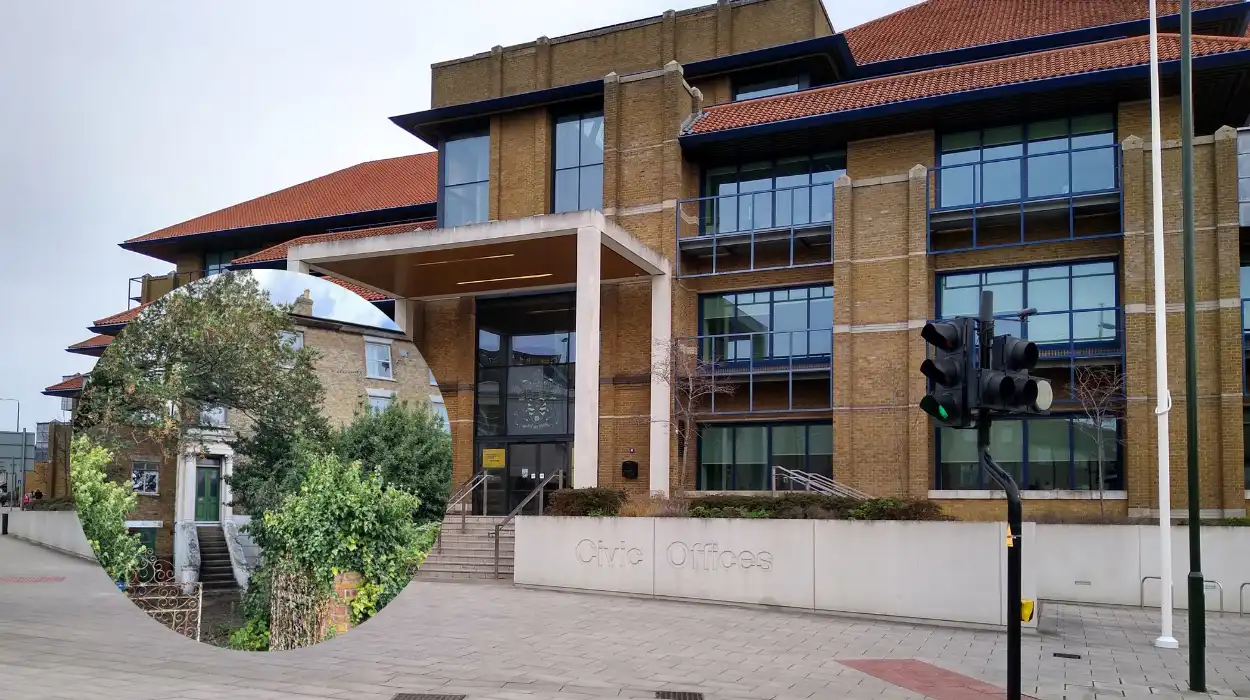
As reported by local media on social platforms, controversial plans were made to transform a family-sized house in Bexley into a large 24-person House in Multiple Occupation (HMO). The conversion proposal alarmed residents and planning authorities alike due to the scale, marking it as exceptionally large compared to typical HMOs, which usually cater to fewer occupants.
- Key Points
- What Was the Proposal for the Bexley Family Home?
- Why Was the Bexley HMO Conversion Refused?
- What Is Bexley Council’s Current Position on HMOs?
- How Do Other Councils Address HMO Planning?
- Are HMOs Always Rejected by Councils?
- What Are the Key Concerns Around Large HMOs?
- What Future Changes Might Impact HMOs in Bexley?
Why Was the Bexley HMO Conversion Refused?
The refusal aligns with consistent local authority concerns over the effects of large HMOs on residential communities. While explicit refusal reasons cited for this particular case are limited in the public snippet, it mirrors broader council unease with over-densification, strain on local infrastructure, and impacts on community cohesion.
What Is Bexley Council’s Current Position on HMOs?
Bexley Council has actively sought to regulate and reduce the number and size of HMOs in its borough. A consultation launched by the council proposes removing permitted development rights that currently allow conversion of single-family homes to small HMOs (3-6 residents) without planning permission. This would extend the requirement for planning permission to smaller HMOs, making regulation stricter. Councillors are concerned with managing the proliferation and ensuring it does not disrupt the social fabric of neighbourhoods.
How Do Other Councils Address HMO Planning?
Other local authorities show varying but often cautious approaches to HMOs:
- Bolton Council unanimously rejected plans to convert a family home into a four-bedroom shared house, citing lack of space and community objections. Councillor Sue Haworth emphasized preserving family streets from being overwhelmed by HMOs, reflecting resident worries about neighbourhood identity loss.
- Medway Council twice refused an application to transform a former care home into a 16-bedroom HMO, with safety concerns over traffic and parking contributing to decisions. The council recognized shifts in care services but prioritized road safety and traffic flow in its refusals.
Are HMOs Always Rejected by Councils?
No, not always. A notable contrasting case occurred in Kent where Maidstone’s council had refused an eight-bed HMO on grounds of overcrowding and community impact. However, a government planning inspector overturned the refusal, arguing the conversion was within permitted building extensions and that the density of HMOs did not dominate the area, nor degrade community balance or parking availability. This highlights the complex and case-dependent nature of HMO planning disputes.
What Are the Key Concerns Around Large HMOs?
Councillors and residents frequently raise concerns including:
- Overcrowding leading to poor living conditions and strained local amenities.
- Loss of community cohesion in traditionally family-oriented neighbourhoods.
- Traffic safety and parking congestion, especially in dense urban areas.
- The risk of areas becoming dominated by transient populations, potentially reducing neighbourhood stability.
What Future Changes Might Impact HMOs in Bexley?
With Bexley Council’s ongoing consultation, we expect tighter planning controls to become law, making it harder to convert family homes into HMOs without scrutiny. The proposed Article 4 Direction would remove permitted development rights for smaller HMOs, requiring full planning applications even for modest shared housing conversions. This move reflects growing council intentions to balance housing needs with community preservation.