Key Points
- Plans to build a large battery storage facility on green belt land in Bexley, South London, were rejected.
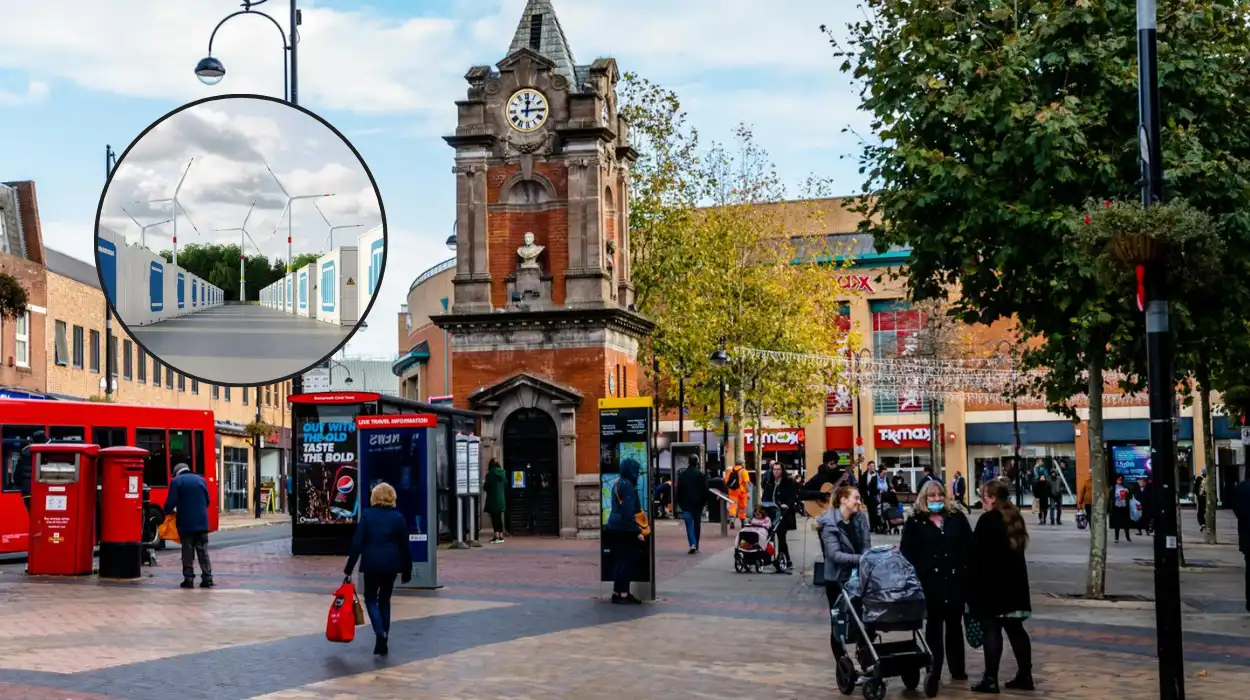
- The facility was proposed to house up to 200 industrial-style battery units on high-quality farmland in North Cray.
- Local residents and associations strongly opposed the project, citing concerns about green belt protection and farmland preservation.
- Some supporters argued the facility would support renewable energy initiatives and help manage energy supply demands.
- The local council and planning authorities deemed the proposal incompatible with green belt policies, emphasising the need to protect these areas.
- Similar battery storage proposals on green belt land in other parts of England, such as Lancashire and Kent, have faced refusals due to environmental and safety concerns.
- Developers claimed the facility would contribute to energy security and net-zero targets, but this was contested by objectors who highlighted alternative industrial sites as more suitable.
What happened with the Bexley battery storage facility proposal?
As reported by multiple local sources including a community Facebook group noted on 25 May 2025 and residents voices captured on Instagram in June 2025, plans for a large battery storage facility on high-quality farmland in Bexley’s green belt were formally objected to by hundreds of local residents. The proposal aimed to install up to 200 industrial-style battery units, which was seen as inappropriate for the protected green belt area. The objections highlighted the potential loss of important farmland, disruption to the local environment, and the perceived unsuitability of the location for such an industrial energy project.
- Key Points
- What happened with the Bexley battery storage facility proposal?
- Why was the green belt status significant in this decision?
- How did proponents justify the battery facility?
- What is the broader context of battery storage facilities on green belt land in England?
- What are the local community and council sentiments about the Bexley facility?
- What is the future outlook for battery storage development and green belt policy?
Why was the green belt status significant in this decision?
Green belt land is protected under UK planning policy to prevent urban sprawl, conserve countryside, and maintain environmental quality. The council and planning authorities underscored that proposed developments must meet very special criteria to justify construction on green belt land. As echoed by local objectors and residents associations, there was strong resistance to allowing industrial-scale infrastructure in an area designated for conservation and agriculture. The planning bodies insisted that there were more appropriate alternatives outside the green belt, preserving the area’s character and land use.
How did proponents justify the battery facility?
Developers and some supporters argued that the facility was essential for supporting renewable energy infrastructure in the region. The battery storage would allegedly manage energy supply by storing surplus power from renewable sources such as wind and solar for use during peak demand periods. This, they claimed, would contribute to the clean energy transition and help ensure energy security in South London. Promoters also mentioned potential economic benefits, including local job creation during the construction phase and enhancements to biodiversity through landscaping efforts.
What is the broader context of battery storage facilities on green belt land in England?
Similar proposals for battery energy storage systems (BESS) on green belt land have been proposed and rejected elsewhere in England in recent years. For example:
- In Lancashire, a 99.9MW battery facility was rejected due to incompatibility with green belt policy and safety concerns, with local councils highlighting alternatives and access issues.
- In Kent, a large-scale 300MW battery storage site was proposed on green belt land near Gravesend with plans emphasizing remote operation, biodiversity improvements, and energy security, though such projects remain controversial and subject to strict scrutiny.
These cases reveal a consistent pattern of planners and communities balancing the urgent demands of renewable infrastructure against safeguarding protected environmental and agricultural lands.
What are the local community and council sentiments about the Bexley facility?
Across social platforms and community forums, residents in Bexley have voiced opposition to what they describe as “industrialising” their green belt, characterising the farmland as high-quality and irreplaceable. Over 250 residents reportedly objected to the plans through official channels and social media campaigns, pushing for stricter enforcement of green belt protections. These voices warn of detrimental impacts not only on the landscape but on local quality of life.
The local council upheld these concerns in the planning rejection, aligning with national green belt policy which seeks to prevent unsuitable development and preserve open space. It is clear that while there is acknowledgment of the importance of renewable energy infrastructure, this must not come at the expense of protected land designated for environmental and community value.
What is the future outlook for battery storage development and green belt policy?
The rejection of the Bexley battery storage facility underscores ongoing tensions in the UK’s energy transition strategy. Policymakers and developers face the challenge of meeting net-zero ambitions and energy security demands while respecting protections for green belt land.
Future developments will likely require more exhaustive site assessments, prioritising brownfield and industrial areas over green belt farmland. Additionally, engagement with communities and transparent planning processes will remain paramount as infrastructure projects move forward. Some projects might still seek to appeal decisions or be subject to higher-level government scrutiny, but local planning authorities’ adherence to green belt principles appears robust for now.