Key Points
- Bexley voters face a choice between the established Conservative Party, dominant for 20 years, and Reform UK, a newer “lighter shade of blue” positioning Bexley as its number one London target.
- Conservatives remain loyal on the doorsteps in areas like Bexley Village, with no councillor defections to Reform UK in Bexley, unlike neighbouring Bromley.
- Labour trails in second place historically, but Reform UK aims to challenge the Tory hold by focusing on local issues over national ones.
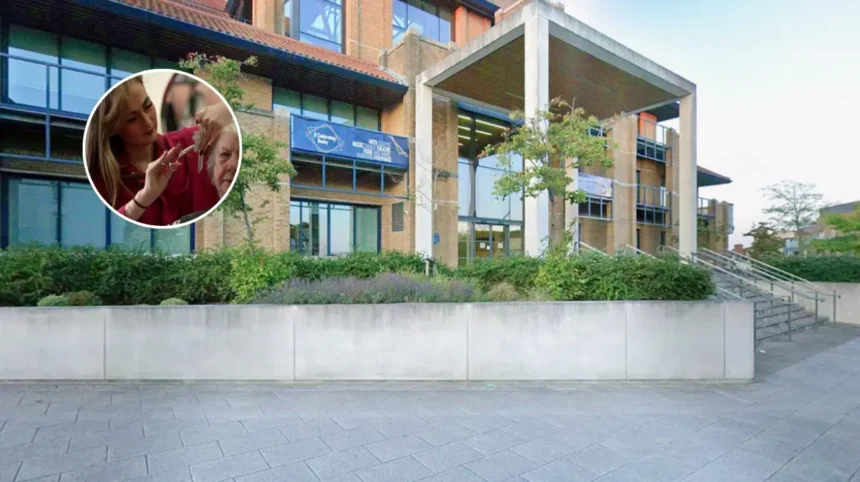
- Local resident Carol Parker at Mrs P’s Hair in Bexleyheath praised council services, noting timely rubbish collection and clean streets, expressing confidence in Tory re-election.
- Coverage originates from BBC News article “Bexley voters mull choice between shades of blue,” highlighting voter sentiment ahead of elections next month.
Bexley, Conservatives vs Reform UK in local elections race (South London News) – April 14, 2026 –
- Key Points
- Why Are Bexley Voters Considering Reform UK Over Conservatives?
- What Makes Conservatives the Cut Above in Bexley for 20 Years?
- How Is Reform UK Positioning Itself in Bexley?
- Will Local Issues Trump National Ones in Bexley Elections?
- Who Are the Key Players in Bexley’s Political Landscape?
- Background of the Development
- Prediction: Impact on Bexley Voters
Bexleyheath, Bexley – Voters in the London borough of Bexley weigh options between sticking with the long-dominant Conservatives or shifting to Reform UK ahead of local elections next month.
The Conservatives have held a strong lead in Bexley for the past 20 years, consistently outperforming Labour, which has remained in second place. Reform UK, described as a lighter shade of blue, has selected Bexley as its top target in London, as detailed in BBC News coverage.
Why Are Bexley Voters Considering Reform UK Over Conservatives?
Conservative campaigners canvassing doorsteps in Bexley Village report steadfast loyalty from residents. No Bexley councillors have defected to Reform UK, in contrast to neighbouring Bromley where such moves have occurred. Party members hope local matters, such as waste management and street cleanliness, will overshadow national politics in voters’ minds.
At Mrs P’s Hair salon in Bexleyheath, customer Carol Parker voiced approval of current council performance. “The rubbish is cleared on time,” said Carol Parker.
“The streets are usually clean. I think the Tories will get back in. I think the local people are quite happy.”
This sentiment aligns with broader observations from the BBC report, where doorstep interactions suggest voters prioritise tangible borough services.
What Makes Conservatives the Cut Above in Bexley for 20 Years?
The Conservative Party’s grip on Bexley stems from consistent electoral success over two decades. They have maintained a lead over Labour, securing the most seats in local elections. This dominance provides a stable platform for addressing resident concerns.
Reform UK’s emergence introduces competition within the right-leaning spectrum. By targeting Bexley as its primary London focus, the party seeks to peel away Tory voters dissatisfied with national trends but content with local governance. BBC reporting notes no defections in Bexley itself, underscoring Tory resilience at the grassroots level.
How Is Reform UK Positioning Itself in Bexley?
Reform UK frames its campaign around a fresh approach while echoing conservative values. The party’s strategy emphasises Bexley as priority number one in London, per the BBC article. Campaign efforts focus on direct voter engagement, though specific policy pledges in the coverage remain tied to broader national critiques rather than Bexley-specific plans.
Doorstep feedback in Bexley Village indicates Tories counter this by highlighting their record. Local issues like refuse collection and street maintenance feature prominently, with residents like Carol Parker citing these as reasons for continuity.
Will Local Issues Trump National Ones in Bexley Elections?
Conservatives banking on Bexley-specific concerns anticipate they will prevail over wider political debates. The BBC piece underscores this tactic, with canvassers noting voter focus on everyday services. Carol Parker’s comments at Mrs P’s Hair reinforce this view, pointing to reliable rubbish clearance and clean streets as key satisfiers.
No defections from Tory councillors to Reform UK in Bexley further bolsters their position, distinguishing the borough from Bromley. Labour’s secondary status leaves the contest primarily between the two blue shades.
Who Are the Key Players in Bexley’s Political Landscape?
- Conservatives: Incumbents for 20 years, leading over Labour; active on doorsteps in Bexley Village.
- Reform UK: New challenger, naming Bexley its top London target; no local defections yet.
- Labour: Historical second place, not central to current blue-on-blue dynamic.
- Residents like Carol Parker: Voice support for Tory council on practical services.
Attribution for core details comes from BBC News, where the story captures unfiltered voter views.
Background of the Development
Bexley, a suburban London borough in south-east England, has seen Conservative control since the 2000s, with the party securing majorities in council elections through cycles. This hold reflects voter preferences for steady local administration amid changing national landscapes. Reform UK’s rise follows its 2024 national polling gains, prompting a focus on boroughs like Bexley where right-wing support runs deep. Historical data from Bexley Council elections shows Tory seats consistently above 30 out of 45, with Labour hovering around 10-15. The absence of defections here, unlike Bromley, traces to strong local party organisation. Coverage by BBC News builds on prior reporting of Reform’s London expansion, framing Bexley as a test case for its municipal ambitions next month.
Prediction: Impact on Bexley Voters
This development presents Bexley voters, primarily suburban families and older residents reliant on council services like waste collection and street upkeep, with a binary choice within familiar political territory. Sticking with Conservatives maintains proven local delivery, as evidenced by sentiments like Carol Parker’s. A Reform UK shift could introduce alternative emphases on efficiency or national alignments, potentially altering service priorities if seats change hands. Voters valuing stability may consolidate Tory support, while those seeking novelty within blue options might fragment the vote, risking Labour gains in a split field. Outcomes hinge on turnout in areas like Bexleyheath and Village, directly shaping council composition and responsiveness to daily borough needs.