Key Points
- Incident: Bromley Blue Watch firefighters responded to an unusual call-out to assist a herd of horses left without drinking water.
- Cause: A local main burst near a farm in Chislehurst disrupted the primary water supply for the animals during a recent heatwave.
- Emergency Response: Firefighters delivered water using local resources and damped down the surrounding fields to prevent potential wildfires.
- Official Statement: Station Officer Mark Howlett confirmed the crew’s involvement, noting their readiness to support animal welfare during emergencies.
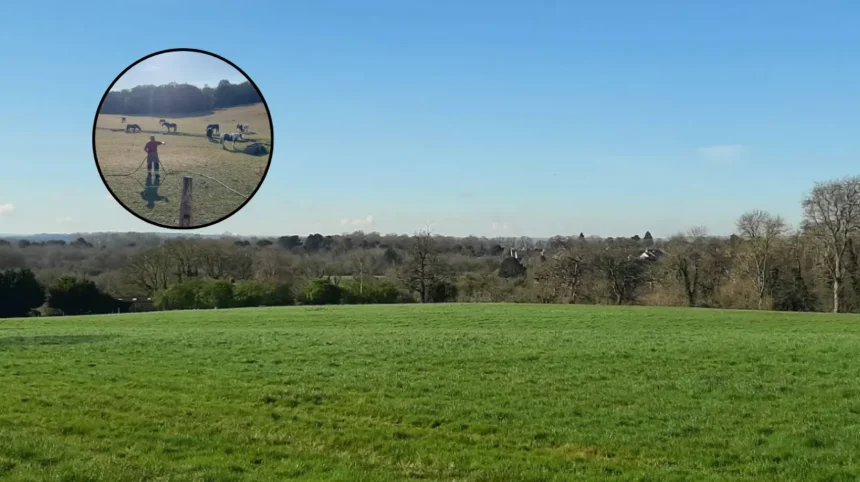
Bromley (South London News) August 3, 2026 – Firefighters from the Bromley station were dispatched to a farm in Chislehurst following a sudden infrastructure failure that left a herd of horses without access to drinking water during a period of elevated temperatures. The incident unfolded after a main water pipe burst nearby, severing the primary supply to the agricultural property and creating an immediate risk to the welfare of the animals. Responding to an urgent request for assistance, the crew of the Bromley Blue Watch deployed to the scene to secure a temporary water supply and stabilize the environment.
Upon arrival, the crew evaluated the site and utilized local resources to supply the horses with fresh drinking water, mitigating the effects of dehydration caused by the ongoing heatwave. In addition to refilling the animals’ drinking troughs, firefighters sprayed down the parched grass across the field. This measure served a dual purpose: cooling the immediate area for the livestock and suppressing potential fire hazards brought on by dry vegetation and high ambient temperatures.
As reported by local emergency reporting services, Station Officer Mark Howlett, who attended the scene, stated that
“This was one of our more unusual call-outs, but firefighters love animals and we were more than willing to help.”
The emergency response concluded without further incident once the immediate needs of the animals were met and the fire risk in the field was mitigated. Repairs to the burst water main were left to the local utility authorities responsible for restoring permanent service to the area.
How Did the Chislehurst Water Main Burst Occur?
The disruption began when a major water pipe supplying the agricultural land near Chislehurst suffered a structural failure. While infrastructure leaks occur periodically across municipal networks, the timing of this particular break amplified its severity. High summer temperatures place increased stress on water infrastructure through shifting soil dynamics and elevated network pressure. For livestock operations, an uninterrupted water supply is critical, particularly during heatwaves when a horse can consume anywhere from 20 to 50 litres of water per day depending on its size and activity level.
When the main burst, the flow of water to the farm’s primary drinking systems ceased immediately. Farm managers were unable to restore internal plumbing connections independently, prompting an alert to emergency services to prevent heat-related stress or medical complications among the herd.
Why Were Emergency Fire Services Dispatched to a Farm Call-Out?
While structural fires and traffic accidents form the core of standard fire service tasking, local brigades frequently assist in non-fire emergencies (NFEs) where specialized equipment or high-volume water transport is required. The London Fire Brigade and its regional stations maintain protocols for animal assistance, particularly when animal distress could lead to broader public safety risks or secondary incidents.
In this instance, Bromley Blue Watch utilized emergency apparatus capable of moving and delivering bulk water supplies to areas disconnected from functional mains. By damping down the field in addition to filling troughs, the crew addressed the secondary hazard of field fires, which increase in frequency during dry weather spells.
Background of Agricultural Infrastructure Vulnerabilities During Heatwaves
The event in Chislehurst highlights broader structural challenges facing rural and semi-rural properties located on the fringes of suburban infrastructure networks. Water utility frameworks across Greater London and surrounding boroughs rely on aging pipe networks, many of which experience heightened strain during extreme weather cycles. Extended periods of hot weather cause ground soil to shrink and shift, leading to pipe shear and pressure drops.
For agricultural holdings, reliance on a single municipal main creates an inherent point of vulnerability. Unlike commercial facilities with backup generator capabilities or secondary reservoirs, small-scale stables and farms often depend on continuous supply directly from public mains. When heatwaves coincide with utility disruptions, the risk of rapid dehydration in large animals escalates significantly within a short timeframe, necessitating intervention from local emergency services to avert an animal welfare crisis.
Explore More Bromley News
Elmers End Execution Theory or Aylmer Origin? South London 2026
Hollaway Studio Wins Approval for Bishop’s Place Scheme, Bromley 2026
Prediction: How Will This Incident Affect Local Livestock Operations and Emergency Responders?
This incident is likely to influence operational planning for both local agricultural managers and regional fire services in several distinct ways:
- For Farm Owners and Livestock Managers: The disruption will likely prompt local stable operators and farmers across the Chislehurst and Bromley areas to re-evaluate their emergency contingency plans. To reduce reliance on immediate fire service intervention, property owners may increasingly invest in on-site water storage tanks, gravity-fed troughs, or secondary rainwater harvesting systems designed to buffer against main failures during high-demand summer months.
- For Local Fire Brigades: As summer heatwaves become more frequent, emergency service units like the Bromley Blue Watch may see a higher frequency of non-standard operational calls related to heat mitigation and rural support. Brigades may refine resource-allocation protocols to ensure standard fire cover remains uncompromised while supporting community welfare needs during extreme weather events.
- For Municipal Water Utilities: Repeated main failures during weather extremes increase regulatory and public pressure on utility providers to prioritize infrastructure upgrades in rural-suburban transition zones, reducing the likelihood of critical service losses to agricultural properties.