Key Points
- Defendant Jailed: Clive Bartram, a 58-year-old former secondary school teacher from South Croydon, has been sentenced to seven years and six months in prison.
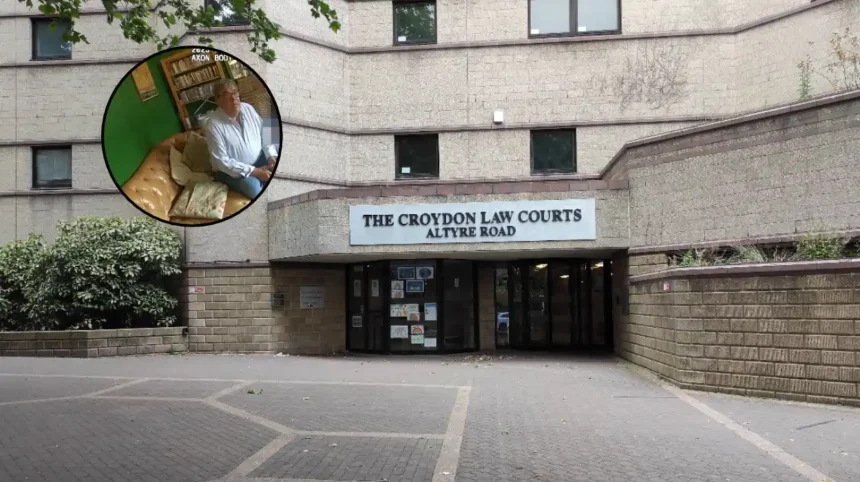
- Court Proceedings: Bartram was sentenced at Croydon Crown Court on October 21 after pleading guilty to 13 offences relating to child sexual exploitation and indecent images.
- Active Profession During Investigation: At the time Metropolitan Police officers launched their investigation, Bartram was actively employed as a secondary school teacher.
- Arrest Footage Released: Police footage captured the moment officers executed an arrest at his residence while he was seated on a sofa, informing him that an IP address linked to him was involved in accessing illicit material online.
South Croydon (South London News) November 7, 2026 — A 58-year-old secondary school teacher from South Croydon has been jailed for seven years and six months after pleading guilty to a series of child sexual offences and possessing indecent images of children.
- What led to the arrest of Clive Bartram in South Croydon?
- What offences did Clive Bartram admit to at Croydon Crown Court?
- What was Clive Bartram’s professional status during the police investigation?
- Background of the particular development
- Prediction: How this development can affect the local community and educational sector
Clive Bartram was sentenced at Croydon Crown Court on October 21 following an investigation conducted by officers from the Metropolitan Police Service. Bartram had formally admitted to 13 distinct counts relating to the sexual exploitation of children and the possession of indecent images.
Footage released by law enforcement authorities shows the moment police officers entered Bartram’s property to execute an arrest warrant. In the recording, the former educator is seen seated on a sofa inside his residence as Metropolitan Police officers explain the grounds of their investigation. Officers informed Bartram that digital traces and network activity linked directly to his personal account had been identified in connection with the distribution and possession of illicit images featuring underage individuals.
At the time the Metropolitan Police initiated their investigation into the online activity, Bartram was actively employed as a teacher in a secondary school. Following his initial arrest and subsequent legal proceedings, Bartram entered guilty pleas to all 13 charges brought against him by the Crown Prosecution Service prior to his sentencing hearing at Croydon Crown Court.
What led to the arrest of Clive Bartram in South Croydon?
According to reporting published by local news outlets covering Croydon Crown Court proceedings, law enforcement tracing operations identified online activity associated with child abuse materials connected to an account registered to Bartram.
Officers from the Metropolitan Police subsequently attended his home address in South Croydon to execute a search and arrest warrant. Video footage captured during the operation shows officers confronting Bartram in his living area. Investigators informed him that specialized units had traced digital evidence to his home network, linking his credentials to multiple counts of downloading and sharing indecent images of children.
What offences did Clive Bartram admit to at Croydon Crown Court?
As detailed in official court records from Croydon Crown Court, Bartram formally entered guilty pleas to a total of 13 separate charges.
The charges brought by prosecuting authorities encompassed:
- Multiple counts of possessing indecent images of children across varying categories of severity.
- Charges directly related to the child sexual exploitation offences investigated by specialist police units.
Following the submission of his guilty pleas, the presiding judge sentenced Bartram to serve seven years and six months in custody.
What was Clive Bartram’s professional status during the police investigation?
During the initial phase of the police inquiry, Bartram was actively serving as a secondary school teacher. Educational institutions and local authorities maintain strict safeguarding procedures when staff members are subject to criminal investigations of this nature. The police investigation confirmed that the digital evidence gathered formed the basis for his swift arrest, charge, and ultimate conviction at Croydon Crown Court.
Background of the particular development
The sentencing of Clive Bartram highlights ongoing efforts by the Metropolitan Police Service and specialist online child protection units to track, identify, and prosecute individuals involved in online child exploitation. Over recent years, law enforcement agencies across the United Kingdom have enhanced digital forensic capabilities to trace IP addresses and online networks back to physical locations.
When individuals in positions of trust, such as educators or school staff, become the subject of criminal investigations, statutory bodies implement automatic reporting and safeguarding protocols. Upon arrest or charge for sexual offences involving minors, individuals are routinely suspended from teaching duties and referred to regulatory bodies such as the Teaching Regulation Agency (TRA). This process leads to formal prohibition orders that permanently bar convicted individuals from working in educational environments or undertaking regulated activities involving children.
Prediction: How this development can affect the local community and educational sector
This judicial outcome is anticipated to have several immediate and long-term impacts across the local community, educational institutions, and safeguarding frameworks:
- Heightened Institutional Safeguarding Reviews: Schools within the region and across the broader sector are likely to conduct rigorous internal audits of their vetting, recruitment, and monitoring procedures. While standard background checks (such as Enhanced DBS disclosures) screen for prior convictions, this case underscores the reliance on digital forensics to uncover active online offending.
- Increased Reliance on Automated Monitoring and Reporting: Educational authorities and safeguarding bodies are expected to further integrate advanced digital tracking tools and strengthen reporting channels with local police forces to detect potential risks quickly.
- Reassurance of Judicial Accountability: The sentence of seven years and six months provides a measure of public reassurance that law enforcement and the justice system actively pursue and penalise individuals involved in child sexual exploitation offences, regardless of their professional status or standing within the community.