Key Points
- A 52-year-old Black man has died in Metropolitan Police custody at the Windmill Road custody suite in Croydon.
- Officers executing cell checks discovered the man unresponsive after he became unwell at 12:30 am on Friday, 21 August.
- Police personnel commenced first aid before the London Ambulance Service attended the scene; the man was pronounced dead at 1:17 am.
- The individual had been detained on Wednesday, 19 August, at 1:05 pm under a no-bail warrant issued by Croydon Magistrates’ Court for failing to appear on drunk and disorderly charges.
- Metropolitan Police officials confirmed the deceased received welfare checks and was examined by a healthcare professional while in custody.
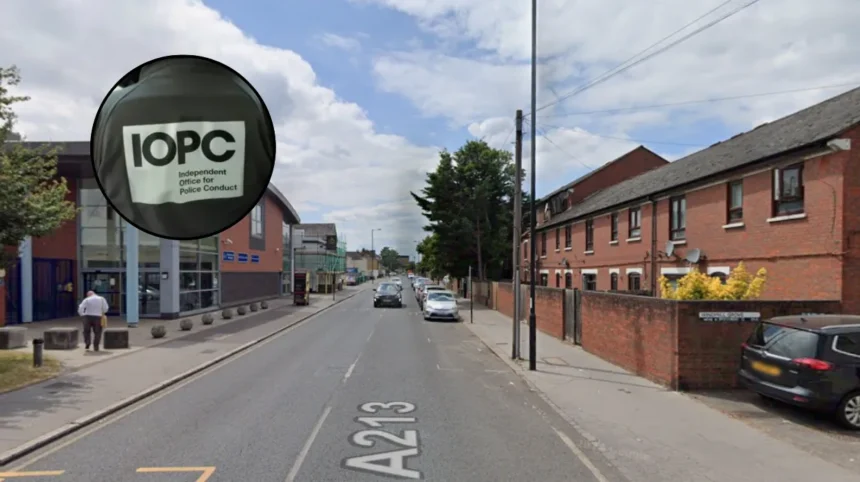
- The Directorate of Professional Standards made a mandatory referral to the Independent Office for Police Conduct (IOPC), which is now carrying out an independent probe.
Croydon (South London News) August 21, 2026 —An independent investigation has been formally opened following the death of a 52-year-old Black man while in police detention in South London.
As reported by police reporting staff at The Voice, the Metropolitan Police confirmed that the deceased was a Black man who became unresponsive inside his cell at the Windmill Road custody facility in Croydon.
According to statements issued by Metropolitan Police representatives, officers carrying out routine cell observations at approximately 12:30 am on Friday, 21 August, found the individual unresponsive after he became unwell.
Metropolitan Police officers entered the detention cell immediately to administer CPR and first aid measures while simultaneously contacting emergency medical dispatchers.
As detailed by journalism staff at UKNIP, emergency crews from the London Ambulance Service (LAS) arrived shortly thereafter to take over emergency medical resuscitation efforts. Despite the interventions of attending paramedics and police staff, the 52-year-old man was pronounced dead at the scene at 1:17 am.
Why Was the Man Being Held in Police Detention?
As reported by reporting staff at Inside Croydon, the individual had been held in custody for over 35 hours prior to the medical emergency. Police records show he was arrested in Croydon at 1:05 pm on Wednesday, 19 August, under the authority of an outstanding no-bail arrest warrant.
The judicial warrant had been issued directly by Croydon Magistrates’ Court after the individual failed to appear for a scheduled court hearing regarding prior charges of being drunk and disorderly.
As stated by Scotland Yard press officers, the detainee was evaluated by a qualified healthcare professional during his period of detention and was subject to scheduled welfare observations and cell checks throughout his time in the facility.
How Are Authorities Responding to the Custody Incident?
Following the confirmation of death, the Metropolitan Police Service activated standard oversight protocols. The force’s internal Directorate of Professional Standards (DPS) was formally notified of the fatality.
In accordance with statutory requirements for deaths occurring during or following police contact, a mandatory referral was submitted to the police watchdog, the Independent Office for Police Conduct (IOPC). The watchdog has confirmed it has launched an independent investigation into the events leading up to and surrounding the fatality.
As reported by official Metropolitan Police newsroom staff, Deputy Assistant Commissioner James Harman stated:
“Our thoughts are with the man’s family and loved ones following his tragic death. The full circumstances of this death in custody will now be independently examined and we are providing our fullest support to that IOPC investigation.”
Explore More Croydon News
East Croydon Redesign Proposes 268 New Homes in East Croydon 2026
Cocoa Jones Hosts Artisan Chocolate Workshops on Old Lodge Lane, Purley 2026
Background of the Particular Development
The Windmill Road custody suite in Selhurst, Croydon, serves as a central processing facility for the Metropolitan Police Service’s South Area Command Unit. The facility has previously been the focus of scrutiny following critical incidents and oversight reviews regarding detainee management, custody procedures, and officer safety protocols.
Statutory oversight of police detentions in England and Wales requires that any death in custody triggers an immediate operational freeze of the scene, preservation of custody log records, collection of closed-circuit television (CCTV) footage, and body-worn video recordings from officers on duty.
The IOPC’s role involves determining whether police policies, risk assessments, and medical intervention protocols were adhered to, as well as establishing whether any acts or omissions by police personnel contributed to the outcome.
Under UK legal frameworks, deaths in custody also mandate a formal inquest led by a Senior Coroner to determine the official cause of death and establish the full factual narrative surrounding the circumstances.
Prediction: How This Development Can Affect the Community and Police Oversight
This development is anticipated to significantly impact local community relations, accountability frameworks, and custodial oversight mechanisms across South London.
- Impact on Public Trust and Local Communities: The death of a Black man in police custody frequently heightens scrutiny regarding custodial duty of care and racial disparities within the criminal justice system. Community advocacy groups, civil rights organisations, and local representatives in Croydon are likely to demand rapid transparency, full disclosure of custody logs, and detailed findings regarding the medical assessments conducted prior to the man’s collapse.
- Impact on Metropolitan Police Custody Protocols: The ongoing IOPC investigation will evaluate the adequacy and frequency of cell checks, the timeliness of medical intervention, and the evaluation standards applied by healthcare personnel in police suites. Depending on the investigation’s outcomes, the Metropolitan Police may face operational recommendations or mandatory policy revisions concerning how vulnerable detainees—particularly those held on alcohol-related offences—are monitored and medically managed during prolonged detention.
- Legal and Institutional Scrutiny: The findings will feed directly into the upcoming Coronial inquest. Should procedural failures or delays in care be identified, the case could lead to disciplinary proceedings, misconduct notices for individual officers or custody staff, and wider calls for systemic reform in how custody suites manage individuals detained on outstanding warrants.