Key Points
- Greenwich Council in South East London has announced plans to expand its School Streets programme across the borough.
- The expansion will make 11 streets permanent School Streets and add 14 schools to the existing scheme.
- School Streets restrict motor vehicle access outside selected schools during term-time drop-off and pick-up windows, typically 8:00–9:30 and 15:00–16:00.
- The proposals have moved into statutory consultation, meaning formal objections can now be submitted to the council.
- Exemptions are proposed for residents living on School Streets, SEND transport, carers, specified school staff, Blue Badge holders and emergency services.
- The initiative is part of a national School Streets programme and aligns with wider London efforts, including the Mayor’s plan to add 200 more restricted roads near schools.
- The council says the changes aim to improve road safety, reduce congestion and cut air pollution around schools.
- The consultation is being conducted under Traffic Management Order reference T8(26) and objections must clearly state grounds and quote the TMO number.
- So far, Greenwich already operates four permanent School Streets and several temporary schemes at schools such as Charlton Manor, Invicta, Wyborne and others.
- The new list of streets and schools is described as a “full rundown” by the council, though the article does not publish the full street-by-street list in the snippet.
Greenwich (South London News) July 14, 2026 – Greenwich Council has revealed which new School Streets it intends to implement across the borough, announcing plans to make 11 streets permanent and to add 14 schools to the programme, as reported by myLondon in an article titled “Greenwich Council adds new roads to list banning drivers at certain times – full rundown”.
- What new School Streets are Greenwich Council proposing across the borough?
- How will the School Streets restrictions work in practice?
- Why is Greenwich Council expanding School Streets now?
- How can residents and interested parties object to the proposals?
- What School Streets already exist in Greenwich?
- How does this fit into wider London School Streets plans?
What new School Streets are Greenwich Council proposing across the borough?
According to the myLondon report, Greenwich Council has confirmed that it intends to expand its School Streets network by designating 11 additional streets as permanent School Streets and bringing 14 more schools into the scheme.
The council describes this as a “full rundown” of the new roads and schools it plans to cover, although the online article does not provide the complete street-by-street list in the search snippet.
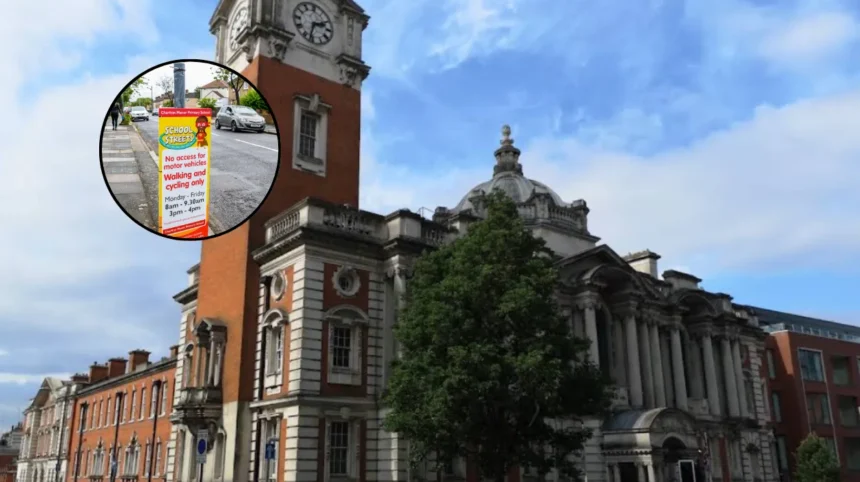
The School Streets scheme itself closes roads outside schools to motor vehicles at peak times during term time, turning them into pedestrian and cycle-only zones to encourage walking, cycling and scooting to school.
How will the School Streets restrictions work in practice?
As explained on the Royal Greenwich Council website, a School Street is closed to motor vehicles at drop-off and pick-up times, encouraging families to walk, cycle or scoot to school instead. The restrictions usually operate during term time at:
- 8:00am to 9:30am
- 3:00pm to 4:00pm
During these times, the road or a section of the road is closed to motor vehicles by collapsible bollards operated by the school.
In the new proposals, the council is also proposing exemptions for residents who live on a School Street, as well as exemptions for:
- SEND transport
- Carers
- Specified school staff
- Blue Badge holders
- Emergency services
Residents who live on a School Street are encouraged to avoid coming and going during the closures but should contact the school for access in emergencies.
Why is Greenwich Council expanding School Streets now?
The council says the expansion is intended to make school runs in Royal Greenwich “safer and easier” by expanding and confirming the borough’s network of School Streets. The proposals are aligned with wider aims to:
- Reduce congestion around schools
- Improve air pollution levels
- Enhance road safety for children and families
School Streets is a national initiative where roads close to motor vehicles either partially or entirely at peak school drop-off and pick-up times between Monday and Friday. Greenwich’s plans also reflect broader London efforts, including the Mayor’s plan to include 200 more roads near schools in similar vehicle restrictions.
How can residents and interested parties object to the proposals?
The proposals to expand and confirm the School Streets network have now moved to statutory consultation, meaning that formal objections or other representations can be submitted to the council.
Any objections or other representations relating to this statutory consultation must be submitted:
- In writing
- Clearly stating the grounds on which the objection is being made
- Quoting the relevant Traffic Management Order (TMO) reference number
The TMO number for this consultation is T8(26).
Submissions can be made by:
- Email: schoolstreets@royalgreenwich.gov.uk
- Post:
School Streets Team
The Woolwich Centre
35 Wellington Street
London
SE18 6HQ
What School Streets already exist in Greenwich?
Before the proposed expansion, Greenwich already operates a mixture of permanent and temporary School Streets. According to the council’s existing information, there are four permanent School Streets at:
- De Lucy School, Cookhill Road, SE2 9PD
- Gordon School, Grangehill Road, SE9 1QG
- Haimo School, Haimo Road, SE9 6DY
- St Joseph’s School, Commerell Street, SE10 9AN
Seven temporary School Streets are also in place at schools including:
- Charlton Manor Primary (Indus Road and Nigeria Road)
- Invicta Primary (Invicta Road and Siebert Road)
- Wyborne Primary (Ivor Grove between Footscray Road and Castleford Avenue)
- Montbelle Primary School (Milverton Way between Adderley Gardens and Beanshaw)
- Deansfield Primary School (Glenesk Road between Rochester Way and Dairsie Road)
- St Thomas More Catholic Primary School (Shortway)
- Invicta Primary School (Deptford) (Trevithick Street)
The new proposals will add 14 schools and 11 streets to this existing network, though the exact list of new locations is described as a “full rundown” in the myLondon article without the full list being visible in the snippet.
How does this fit into wider London School Streets plans?
Greenwich’s expansion is part of a national School Streets initiative and aligns with wider London policy. BBC News reported that London’s School Streets scheme is set to include 200 more roads outside schools at certain times under the mayor’s plan, as part of efforts to encourage walking in London.
Greenwich’s move to make more streets permanent and add more schools reflects this broader trend of using time-based traffic restrictions to improve safety and reduce pollution around schools across the capital.
Background of the Development
The School Streets programme began in Greenwich with the first closures introduced in 2018, when roads outside four primary schools were closed to traffic in the mornings and afternoons during term times, as reported by Local Transport Today in an article titled “School Streets launched in Greenwich”.
Those initial closures made the stretches of roads outside school gates pedestrian and cycle-only zones at 8am to 9:30am and 3pm to 4pm during term time.
Since then, the council has run a series of temporary schemes at additional schools and maintained four permanent sites, gradually building a network designed to reduce congestion, improve air quality and make it safer for children to walk and cycle to school.
The current proposals to add 14 schools and 11 permanent streets represent a significant expansion of this long-running local initiative and now move the scheme into statutory consultation under a formal Traffic Management Order (T8(26)).
Explore More Greenwich Council News
Greenwich Council Resolves Local Wheelie Bin Shortages: South East London 2026
Greenwich Council PSPO Consultation on Anti-Social Behaviour 2026
Prediction: How This Development Can Affect Residents, Parents and School Communities
If the proposed School Streets are approved and implemented, families living near or using the affected streets will face time-based restrictions on car access during school drop-off and pick-up periods.
This will mean that parents and carers who currently drive to school gates on those roads will need to plan alternative routes, arrive slightly earlier or later, or switch to walking, cycling or scooting during the restricted windows.
Residents who live on a School Street will be exempt but are still encouraged to avoid coming and going during closures, which could affect daily routines such as work commutes, shopping trips or visiting neighbours if they rely on driving at 8:00–9:30 or 15:00–16:00 on school days.
For school communities, the changes are likely to reduce queuing traffic outside gates, potentially improving safety for children and lowering local air pollution, though some parents may perceive increased inconvenience or longer travel times if alternative routes are slower or more complex.
Over time, the wider borough could see a gradual shift in school-run behaviour, with more families opting for non-motorised travel during peak times if the restrictions are consistently enforced and supported by safe walking and cycling infrastructure.