Key Points
- Greenwich councillors are set to vote on raising their annual basic allowance from £11,906 to £16,882, representing an increase of 41.8 per cent.
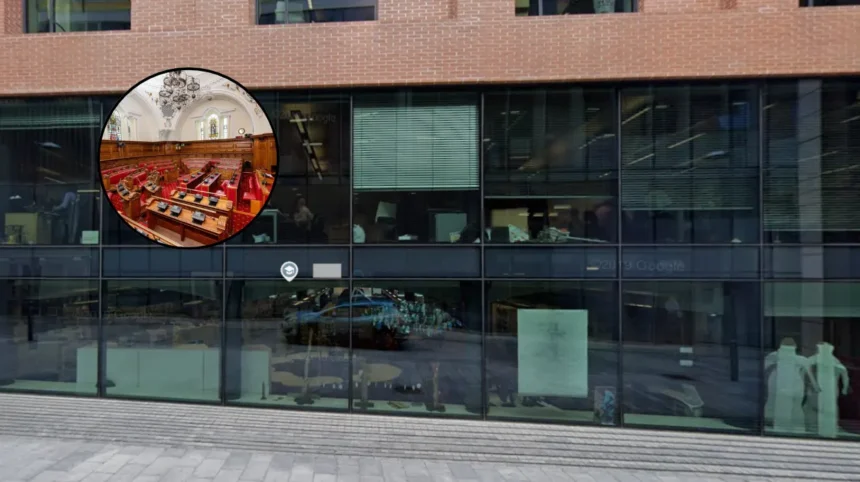
- The decision will be considered during a full council meeting scheduled for 7pm on Wednesday 11 November at Woolwich Town Hall.
- Finance officers estimate the changes would create an extra financial pressure of £200,000 to £300,000 in the current financial year, and £700,000 to £800,000 annually thereafter.
- Paying all 55 councillors the proposed basic allowance rate for a full year would total £928,510, an increase of £273,680 over current costs.
- Under the proposal, the council leader’s total annual allowance would rise to £82,563, while the eight other cabinet members would receive £59,575 each.
- Political opinions remain split: Labour Council Leader Anthony Okereke and the Green group support the adjustment to remove barriers to public service, whereas Conservative Group Leader Charlie Davis opposes it as a reckless expense amidst wider budget pressures.
Greenwich (South London News) November 5, 2026 – Elected representatives of the Royal Borough of Greenwich are scheduled to decide on a proposal that would increase their basic annual allowance from £11,906 to £16,882, with the higher payment rate coming into force from 1 December if formally approved.
- Key Points
- Why is Greenwich Council holding a vote on councillor allowances?
- What will the proposed allowance increase cost local taxpayers?
- Why are councillor payment rates being reviewed at this time?
- How will special responsibility allowances for leadership roles change?
- Background of councillor allowances in Greenwich
- Prediction: How this development could affect local taxpayers and council governance
Why is Greenwich Council holding a vote on councillor allowances?
The decision is scheduled to take place during a full council meeting at 7pm on Wednesday 11 November at the town hall in Woolwich. The proposed adjustments have not yet been approved and remain subject to the outcome of the upcoming vote.
The £4,976 rise, equivalent to approximately 41.8 per cent, would apply directly to the basic allowance accessible to each of the borough’s 55 councillors. In addition to the basic rate, a separate set of proposed measures would increase remuneration for specific roles that carry extra duties and responsibilities across the local authority.
What will the proposed allowance increase cost local taxpayers?
Council finance officers estimate that adopting the proposed decisions would generate an immediate financial pressure of between £200,000 and £300,000 within the current financial year. Over a full-year cycle, officers project the total full-year impact to land between £700,000 and £800,000.
Looking at the council’s broader financial standing, officers project a separate recurrent funding gap of £30.9 million for the 2027–28 period. Council documentation confirms that this deficit forms part of a wider long-term budget forecast and is not caused by the allowance proposals.
Focusing strictly on the basic allowance, allocating the proposed £16,882 rate to all 55 councillors for a full year would result in a total expenditure of £928,510. This compares with £654,830 under the existing structure, marking a direct difference of £273,680 assuming every member receives the complete figure. This specific figure excludes special responsibility allowances or associated costs and does not reflect the total financial figure for the full package.
Why are councillor payment rates being reviewed at this time?
Councillors are not formal council employees and receive allowances rather than fixed salaries. The basic allowance is structured to reflect the time commitments and public obligations associated with the elected role, while members undertaking extra responsibilities are eligible for special responsibility allowances on top of the base sum.
The newly proposed basic rate aligns with recommendations issued by an independent panel that advises London boroughs on member remuneration. In its 2023 review, the advisory body recommended a baseline figure of £15,960, subject to annual indexation matched to local government pay awards. According to council statements, subsequent pay award adjustments bring the panel’s current recommended figure to £16,882.
While recommendations from the independent panel are advisory, local authorities are legally required to consider them when framing local allowance schemes, though final decisions rest entirely with individual councils. Greenwich Council confirmed that its basic allowance level has remained below the panel’s benchmark since the 2014–15 financial year, following a recent 3.2 per cent increase enacted in March.
As an alternative to the proposed increases, councillors may vote to retain existing rates for the remainder of the current financial year and establish updated rates for 2027–28 during the routine budget-setting process next March.
How will special responsibility allowances for leadership roles change?
Under the proposed scheme, allowance structures would be updated for senior positions, including cabinet members, committee chairs, and political group leaders. The special responsibility allowance for the council leader would increase from £56,600 to £65,681. When combined with the proposed basic allowance, the leader’s overall annual compensation would equal £82,563.
For each of the borough’s eight other cabinet members, the proposed special responsibility allowance is set at £42,693, bringing their total annual remuneration to £59,575 when combined with the baseline allowance. Specific rate adjustments vary across individual posts.
Furthermore, the council proposes creating new paid roles for the deputy leader and chief whip of the largest opposition group, replacing two existing cabinet assistant allowances. The draft package also introduces formal provisions regarding sickness absence and options for councillors to participate in the local government pension scheme.
Labour Council Leader Anthony Okereke argued that maintaining lower allowance levels creates barriers to entry, discouraging individuals who lack personal financial means from entering local politics. Okereke stated that certain members have incurred personal debt while attempting to perform their official duties. The Green group similarly expressed support for the reform, contending that fairer compensation structures help remove barriers for prospective candidates.
In contrast, Conservative Group Leader Charlie Davis opposed the proposal, describing the expenditure as a reckless allocation of public funds at a time when the authority faces significant budgetary challenges.
In response to governance concerns, the council stated that leaders across political groups have agreed to collaborate on establishing a formal role description for councillors, Alongside a framework to review member performance, aimed for implementation as early as practicable during 2027–28. The measure also incorporates annual index-linked adjustments for basic and special responsibility allowances tied to local government pay settlements from 2027–28 onwards, covering up to four years unless altered by subsequent council decisions.
Background of councillor allowances in Greenwich
Councillor allowances in the United Kingdom were introduced to ensure that local democracy is accessible to individuals from all socio-economic backgrounds, compensating members for time diverted from standard employment. Independent remuneration panels periodically benchmark allowance levels across London authorities to maintain consistency, taking into account regional living costs and time demands.
In the Royal Borough of Greenwich, basic councillor allowances have consistently remained below the central rates advocated by the independent advisory panel since the 2014–15 financial year. Although minor incremental adjustments have been made over the years—such as the 3.2 per cent increase approved in March—the gap between local allowance figures and regional benchmarks has widened over time. This ongoing discrepancy has generated periodic debate surrounding local democracy, councillor diversity, public transparency, and local fiscal management.
Prediction: How this development could affect local taxpayers and council governance
If approved by a majority vote at the upcoming full council meeting, this development will directly impact local council taxpayers and the broader community in several key ways:
- Impact on Council Taxpayers: The decision to allocate an additional £700,000 to £800,000 annually towards councillor compensation during a period of wider fiscal constraint could increase scrutiny over local council tax rates and service allocations. Residents may demand clearer transparency regarding how public funds are prioritised as the council addresses its projected £30.9 million funding gap for 2027–28.
- Impact on Local Democratic Representation: Higher compensation levels may encourage a broader demographic of candidates—including working-class individuals, younger professionals, and primary carers—to run for public office in future elections, potentially expanding diversity within the council chamber.
- Impact on Governance and Accountability: The introduction of formalized performance reviews and defined role descriptions planned for 2027–28 could establish higher standards of accountability for elected members, giving taxpayers clearer metrics to evaluate the performance of their local representatives.