Key Points
- The first stretch of the Cycleway 4 extension at the western end near Charlton station is officially open, connecting directly to the pre-existing segregated infrastructure running through East Greenwich.
- Major construction milestones are now visible along Woolwich Road, heading eastbound from Stone Lake Retail Park towards Woolwich.
- Newly resurfaced, fully segregated lanes and updated kerbside infrastructure have been laid along several major stretches of the A206 corridor.
- The scheme aims to deliver continuous, protected cycling links connecting Central London and Tower Bridge through to Woolwich town centre.
- Local public transport routes, pedestrian crossings, and traffic signaling upgrades are being integrated concurrently along the route.
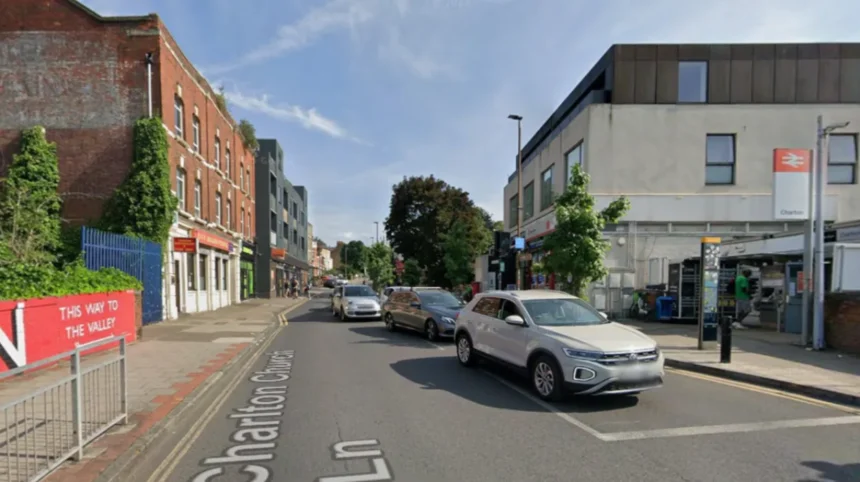
Charlton (South London News) October 23, 2026 – As reported by local transport reporter John Bull of Murky Depths, substantial progress is taking shape along the Woolwich Road corridor as key sections of the Cycleway 4 extension near completion. The initial stretch at the western boundary in Charlton, adjacent to Charlton railway station, is now officially open to the public, establishing a direct link to the established, fully segregated cycle lane traversing East Greenwich.
Heading further east from the vicinity of Stone Lake Retail Park, extensive works along Woolwich Road reflect the visual transformation of the A206 thoroughfare. Newly surfaced tarmac, installed protective kerbing, and revised road layouts mark the transition from active construction zones to operational transport corridors.
How does the newly opened section connect existing infrastructure?
As noted by transport writers covering South East London infrastructure, the newly commissioned section at Charlton station serves as a crucial missing link in the regional cycling transport matrix. Cyclists traveling from Central London through Greenwich can now navigate seamless protected space further eastward without being forced into mixed traffic along heavily congested arterial roads.
The development represents a major phase in Transport for London’s (TfL) broader initiative to build a continuous, safe cycle route along the south bank of the River Thames. The physical separation between vulnerable road users and heavy goods vehicles along Woolwich Road addresses historic safety concerns along one of Greenwich borough’s busiest commercial routes.
What visible changes are taking place along Woolwich Road?
As documented by local urban observations along Woolwich Road, multiple physical modifications are evident across the corridor:
- Segregated Tarmac: Fresh high-friction asphalt surfaces have been laid to visually delineate cycle lanes from motor traffic lanes.
- Kerb Realignment: Concrete bollards and raised kerb lines have been fitted to protect cyclists from vehicular turning movements at key junctions.
- Bus Stop Bypasses: Bus stops along Woolwich Road are being reconfigured into island bypasses, allowing passenger boarding without intersecting active cycling traffic.
- Signal Integration: Dedicated low-level traffic signals for cyclists are being installed at major intersections to manage right-turn and crossing interactions.
Background of the Cycleway 4 development
The origin of Cycleway 4 dates back to joint strategic plans formulated by Transport for London and the Royal Borough of Greenwich to establish a dedicated, segregated cycle highway between Tower Bridge and Woolwich. Construction on the western segments through Bermondsey, Rotherhithe, and Deptford commenced in 2019, with successive phases opening incrementally over recent years.
The extension stretching through East Greenwich, Charlton, and into Woolwich represents the final eastern stages of the master plan. The A206 Woolwich Road has historically logged high traffic volumes and recorded notable collision statistics involving pedal cyclists and motor vehicles. The implementation of physical segregation was prioritized following local public consultations and safety audits aimed at encouraging modal shift toward active travel.
Prediction: How will this development affect local commuters, residents, and businesses?
The completion of the Cycleway 4 extension between Charlton and Woolwich is predicted to significantly alter daily travel habits and local road conditions across Greenwich borough:
- For Cyclists and Active Travelers: The provision of continuous segregation reduces real and perceived danger, likely increasing cycle journey volumes for local commutes and leisure trips towards Central London.
- For Local Bus Users and Pedestrians: Reconfigured bus stops and improved pedestrian refuge islands should minimize potential conflicts between pedestrians and cyclists, though initial adjustments to bus island boarding layouts may require acclimatization.
- For Motorists and Freight Operators: Dedicated road space reallocations reduce the total lane width available to general traffic along Woolwich Road, which may lead to localized congestion during peak hours, particularly around major retail parks and rail junctions.
- For Local Businesses: Enhanced corridor accessibility and improved public realm infrastructure are expected to boost footfall along retail frontages, while delivery vehicles will need to adapt to formal loading bays designed to accommodate the segregated lane boundary.