Key Points
- A 16-year-old boy from Romford has been charged with the murder of 14-year-old Eghosa Ogbebor.
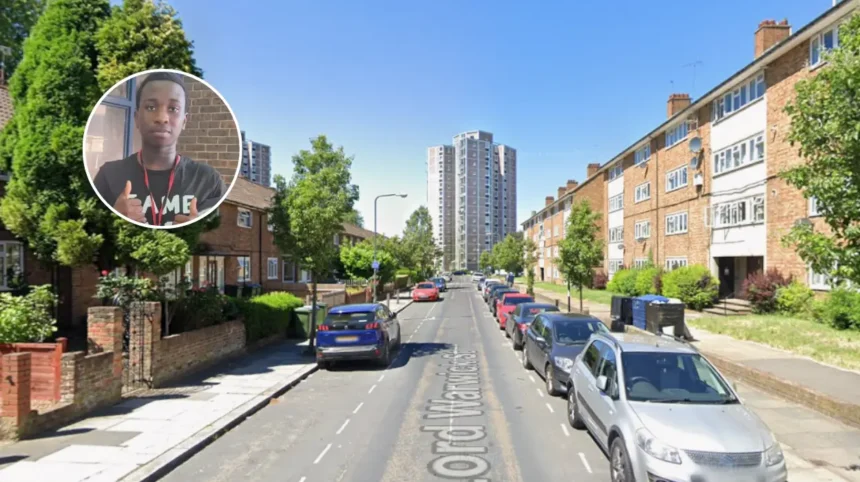
- Eghosa was shot dead in Lord Warwick Street, Woolwich, south-east London, on April 2, 2026.
- The suspect was first arrested on April 4 and released on bail, then rearrested on April 9.
- He was charged with murder on Friday, April 10, 2026, and is due to appear at Thames Magistrates’ Court on Saturday, April 11, 2026.
- Eghosa’s family is receiving support from specialist family liaison officers.
- The Metropolitan Police investigation into the incident remains ongoing.
Woolwich (South London News) April 13, 2026 –
- Key Points
- What Happened in the Woolwich Shooting Incident?
- Who Is the Suspect and What Is His Arrest Timeline?
- How Are Eghosa Ogbebor’s Family Being Supported?
- What Is the Status of the Police Investigation?
- Where Exactly Did the Shooting Take Place and What Is Known About the Location?
- Why Was the Suspect Released on Bail Initially?
- Background of the Woolwich Murder Development
- Predictions on Impact to the Local Woolwich Community
What Happened in the Woolwich Shooting Incident?
A 16-year-old boy from Romford stands charged with the murder of 14-year-old Eghosa Ogbebor, who was fatally shot in Lord Warwick Street, Woolwich, on Wednesday, April 2, 2026. The Metropolitan Police announced the charge on Friday, April 10, 2026, as reported across multiple outlets including the BBC, Sky News, and The Standard.
The incident occurred in the early evening, with emergency services responding promptly to reports of gunfire. Eghosa was found suffering from gunshot wounds and was pronounced dead at the scene despite efforts by paramedics. As stated by the Metropolitan Police in their official release, covered by BBC News reporter Tom Symonds,
“Eghosa Ogbebor was killed in Lord Warwick Street, Woolwich, on April 2.”
Who Is the Suspect and What Is His Arrest Timeline?
The suspect, a 16-year-old from Romford, east London, was initially arrested on Friday, April 4, 2026, in connection with the shooting. He was released on bail pending further enquiries, according to details from the Metropolitan Police statement relayed by Sky News crime correspondent Tom Parmenter. On Wednesday, April 9, he was rearrested before being formally charged with murder the following day.
The teenager is scheduled to appear at Thames Magistrates’ Court on Saturday, April 11, 2026. Due to his age, his identity is protected by law, and no further personal details have been disclosed. The Guardian’s crime reporter Vikram Dodd noted in coverage that
“a 16-year-old, of Romford, was arrested on April 4 and was released on bail until he was rearrested on April 9.”
How Are Eghosa Ogbebor’s Family Being Supported?
Eghosa’s family continues to receive support from specialist family liaison officers, as confirmed by the Metropolitan Police. This ongoing assistance aims to provide emotional and practical help during the investigation. The force emphasised this in statements to media, including those quoted by Evening Standard reporter Jacob Jarvis, who wrote:
“Eghosa’s family continue to be supported by specialist officers, the force added.”
No further comments from the family have been made public at this stage, respecting their privacy amid the tragedy.
What Is the Status of the Police Investigation?
The Metropolitan Police have stated that the investigation remains ongoing. Detectives are working to establish the full circumstances surrounding the shooting, including any motives or additional involvement. As per the official update covered by MyLondon reporter Josh White,
“the police said an investigation remains ongoing.”
Initial responses involved a significant police presence in Woolwich, with cordons established around Lord Warwick Street. Forensic teams examined the scene, and house-to-house enquiries were conducted in the local area. No other arrests have been reported at this time.
Where Exactly Did the Shooting Take Place and What Is Known About the Location?
Lord Warwick Street is a residential road in Woolwich, part of the Greenwich borough in south-east London. The area is known for its mix of housing estates and community facilities, located near Woolwich town centre. The shooting prompted road closures and heightened community concern, as detailed in local coverage by News Shopper.
Emergency calls were made around 7pm on April 2, with the London Ambulance Service and air ambulance attending. Despite advanced trauma care, Eghosa could not be saved.
Why Was the Suspect Released on Bail Initially?
Police procedures allow for bail in murder investigations to permit further evidence gathering, such as witness statements, CCTV analysis, and forensic results.
The initial arrest on April 4 followed swift action, but release on bail until April 9 enabled additional lines of enquiry. This timeline aligns with standard practice, as explained in Metropolitan Police updates cited by PA Media wire services.
The rearrest and charging reflect progressing evidence, though specifics remain withheld to protect the judicial process.
Background of the Woolwich Murder Development
This charging follows a pattern of youth violence investigations in London, where firearms incidents among teenagers have prompted increased policing resources. Lord Warwick Street has not been highlighted in prior major incidents, but Woolwich has seen occasional gang-related activity, according to Metropolitan Police crime data. The event occurred amid broader efforts by the Mayor’s Office for Policing and Crime to address knife and gun crime through initiatives like the Violence Reduction Unit.
Eghosa, described only by age in official reports, was a local schoolboy, with the incident drawing local councillor attention for community safety reviews. Historical context includes a 2023 Woolwich stabbing case that led to similar charges, underscoring persistent challenges in the area.
Predictions on Impact to the Local Woolwich Community
This development can affect Woolwich residents through heightened police patrols and community safety forums, potentially increasing visibility of youth services. Parents may seek more school security measures, while local businesses on nearby streets could experience temporary trade disruptions from investigations. Young people in the area might face stricter stop-and-search practices, influencing daily routines.
Broader community groups could push for youth engagement programmes to deter recruitment into violence, altering access to recreational facilities. Housing associations in Lord Warwick Street may review estate security, impacting tenant communications and maintenance schedules.