Key Points
- Bus route 301 linking Woolwich and Bexleyheath will receive new electric buses in 2026.
- Stagecoach will take over operation of the route on 11 July 2026.
- Route 301 began in 2019 to enhance connections to Elizabeth Line stations at Woolwich and Abbey Wood.
- The bus serves key developing areas including Lombard Square in west Thamesmead and Woolwich town centre.
- Discussions continue on a potential extension westward to Charlton, aligned with large housing developments in the area.
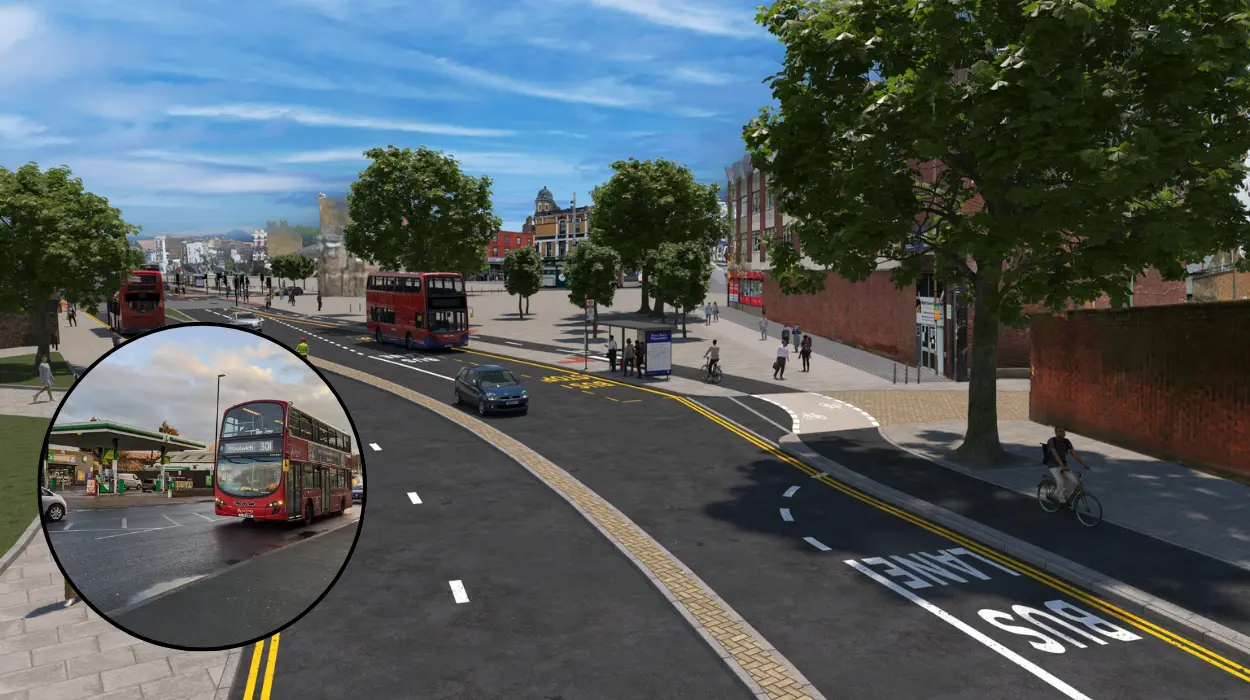
- A Bus Rapid Transit (BRT) plan between Abbey Wood and Woolwich is scheduled to begin in 2029, which may run alongside route 301.
- £23 million funding for improvements was awarded previously, but planned 2026 projects are now delayed.
What changes are coming to bus route 301?
As reported by James Dryden of From The Murky Depths, London’s bus route 301, which links Bexleyheath, Abbey Wood, and Woolwich, is set to receive a fleet of new electric buses in 2026. The upgrade is part of Transport for London’s (TfL) ongoing commitment to modernise and decarbonise its bus fleet. Alongside this, it has been announced that Stagecoach will assume operational control of the route starting 11 July 2026, bringing the service under their management.
- Key Points
- What changes are coming to bus route 301?
- Why was route 301 introduced and when did it start?
- Which areas does the 301 serve and why is that important?
- What future extensions are planned for route 301?
- How does the Bus Rapid Transit plan affect route 301?
- What funding has been secured and what delays exist?
- What are the implications of these changes for local residents?
- How can readers support independent coverage of local transport news?
Why was route 301 introduced and when did it start?
Route 301 was launched in 2019 as part of a broader reorganisation of bus services in south east London ahead of the Elizabeth Line’s opening. According to TfL information, the route was created to improve passenger access to Elizabeth Line stations, notably Woolwich and Abbey Wood, while supplementing existing routes such as the B11, which it partially duplicated. The bus provides the only stop at Lombard Square in west Thamesmead, an emerging housing hub with nearly 2,000 new homes underway.
Which areas does the 301 serve and why is that important?
Route 301 is a critical connection for residents travelling between Bexleyheath and Woolwich town centre. West Thamesmead benefits from this route as it is the sole bus line stopping near Lombard Square, an area of significant residential development. Moving westbound to Woolwich, the route ties together existing communities with vital transport links to London’s wider network, including the Elizabeth Line.
What future extensions are planned for route 301?
There have been talks, according to Hugh Thompson at TfL News, about potentially extending route 301 further west to serve new housing developments in Charlton. The Charlton Riverside masterplan, one of the largest housing projects in southeast London, proposes up to 8,000 new homes, with some initial blocks already nearing completion. Specifically, an approved 1,212-home development at Herringham Road could also benefit from an extended bus service.
Additionally, an expansion would support residents moving into 766 new homes constructed on the site of a former Greenwich Council estate. These expansions would improve access to transport for these growing communities, directly influencing local commuting patterns.
How does the Bus Rapid Transit plan affect route 301?
Another transport scheme to consider is the planned Bus Rapid Transit (BRT) system between Abbey Wood and Woolwich, reported by Sarah Coleman for From The Murky Depths. The BRT aims to provide a faster, more reliable connection along this corridor and is currently slated to launch in 2029. The route 301 service is expected to continue alongside this new rapid link, potentially complementing the enhanced transit options for residents.
What funding has been secured and what delays exist?
TfL was awarded a total of £23 million in recent years to support bus service improvements, including those for the 301 route. Initially, a start date of 2026 was announced for some upgrades, but this timetable has since been delayed. The reasons for the delay have not been officially specified but are indicative of broader challenges in transport infrastructure development.
What are the implications of these changes for local residents?
Residents of south east London, particularly in Woolwich, Abbey Wood, and the expanding Thamesmead and Charlton areas, stand to benefit from these transport improvements. Upgraded electric vehicles will mean cleaner, quieter journeys and better air quality. Enhanced and extended routes will improve connections to the wider London transport network, fostering greater access to jobs, education, and services.
How can readers support independent coverage of local transport news?
As outlined by Martin Shields of From The Murky Depths, independent websites covering these developments rely on reader contributions to continue operation. Interested readers can support such coverage through platforms like PayPal, Patreon, and Ko-fi, helping maintain dedicated local reporting on transport and housing developments in London.