Key Points
- Franco Manca, a sourdough pizza chain, is closing nine London restaurants as part of a major restructure, including its historic Brixton branch where the brand originated nearly 20 years ago.
- The closures form part of a broader plan to shutter around 16 of its more than 70 UK locations, putting over 200 jobs at risk.
- Parent company The Fulham Shore, which also operates The Real Greek, attributes the decision to “disproportionately high” taxes and a lack of business rates relief for the hospitality sector.
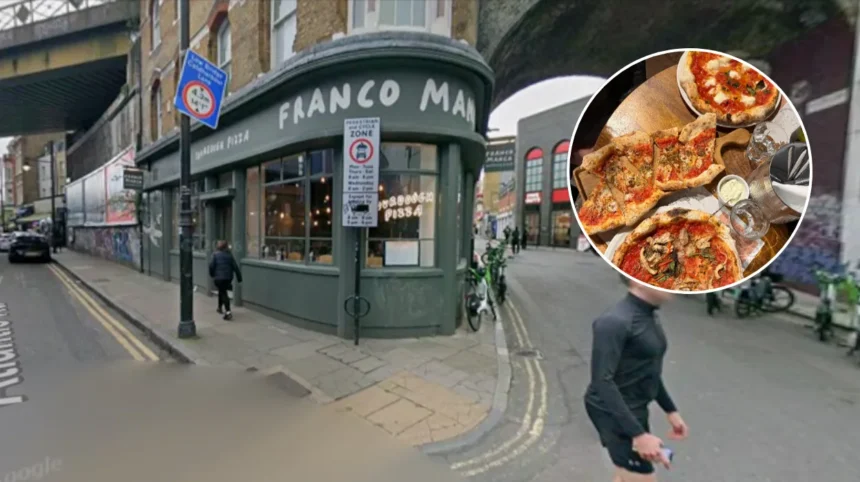
- The Brixton site recently upgraded in early 2024, moving from its original market stall in Brixton Market Row to a new spot at the corner of Atlantic Road and Electric Lane, but this expansion proves short-lived.
- The Fulham Shore has agreed to launch a Company Voluntary Arrangement (CVA) process to restructure and save the company.
Brixton, London (South London News) April 17, 2026 – Franco Manca is closing nine London restaurants, including its famous Brixton branch described as “where it all started,” as the sourdough pizza chain undertakes a major money-saving restructure.
- Key Points
- Why Is Franco Manca Closing Its Brixton Restaurant?
- What Is the Company Voluntary Arrangement Process?
- Which London Sites Are Affected by the Closures?
- How Are High Taxes Impacting Franco Manca?
- What Does This Mean for Jobs at Franco Manca?
- Background of the Development
- Prediction: Impact on Hospitality Workers and Diners
The chain, which launched in Brixton Market almost 20 years ago, has blamed “disproportionately high” taxes and a lack of business rates relief for the decision. This move affects approximately 16 sites across the UK out of more than 70 locations, placing over 200 jobs at risk.
Why Is Franco Manca Closing Its Brixton Restaurant?
Founders Giuseppe Mascoli and Bridget Hugo took over the original “Franco’s” – a local staple since 1986 – in Brixton Market Row to introduce their sourdough pizza concept.
The Brixton branch recently relocated in early 2024 to a more prominent site at the corner of Atlantic Road and Electric Lane, but the closure announcement follows soon after.
As reported in coverage of the restructure, the decision targets underperforming sites amid financial pressures. The historic Brixton location, despite its cultural significance, falls under the nine London closures.
Parent group The Fulham Shore confirmed the broader UK plan to close 16 sites. Fulham Shore boss Marcel Khan confirmed that the company is launching a company voluntary arrangement (CVA) restructuring process for the Franco Manca business, as noted in reports from BerkshireLive.
What Is the Company Voluntary Arrangement Process?
The CVA process allows struggling companies to reach agreements with creditors to repay debts over time while continuing operations.
Bosses at The Fulham Shore have now agreed to initiate this for Franco Manca to address strains on the business.
This step aims to save the company by closing loss-making sites, including the nine in London. The Fulham Shore, which also runs The Real Greek brand, faces ongoing challenges in the hospitality sector.
Reports indicate the CVA launch is set for this week, targeting sites like the Brixton branch. As per LinkedIn posts from MCA Insight,
“Franco Manca to close 16 sites under CVA. The Fulham Shore is to launch a company voluntary arrangement (CVA) this week for its pizza brand.”
Which London Sites Are Affected by the Closures?
Specific confirmation points to nine London restaurants, with the Brixton branch highlighted due to its origins. The chain’s roots trace back to Brixton Market Row, where it began nearly two decades ago.
No full list of the nine sites has been detailed in available reports, but the Brixton location on Atlantic Road and Electric Lane is explicitly named.
This site had upgraded from the original market stall, marking a recent investment now reversed.
The closures prioritise London as a key area, within the 16 UK total. Coverage from multiple outlets, including BerkshireLive, emphasises the Brixton significance as “where it all started.”
How Are High Taxes Impacting Franco Manca?
The chain attributes closures to “disproportionately high” taxes and absence of business rates relief. Hospitality faces a “billion-pound tax bombshell,” with the end of relief leading to a £928m bill, as warned by UKHospitality.
Business rates bills could quadruple, totalling tens of thousands per venue – £11,000 for a local pub, £30,000 for a town centre restaurant, or £40,000 for a seaside hotel.
UKHospitality calls for a lower, permanent multiplier for hospitality, noting the sector pays three times more than it should.
Hospitality businesses bear the full 20% VAT rate, unlike supermarkets, adding to pressures from wages, rates, and energy costs. These factors strain cash flow and margins, contributing to decisions like Franco Manca’s.
What Does This Mean for Jobs at Franco Manca?
Over 200 jobs are at risk from the 16 UK closures, including those at the nine London sites. The Brixton branch, a symbol of the brand’s start, will impact local staff.
No specific job figures per site are provided, but the scale underscores hospitality vulnerabilities. The CVA aims to stabilise the business, potentially safeguarding remaining operations.
Background of the Development
Franco Manca began in Brixton Market Row nearly 20 years ago when Giuseppe Mascoli and Bridget Hugo revived the local “Franco’s” from 1986 with sourdough pizzas.
The brand grew to over 70 UK sites under The Fulham Shore, which also manages The Real Greek.
The Brixton site moved to Atlantic Road and Electric Lane in early 2024 for prominence. Recent pressures include hospitality tax hikes, with business rates relief ending and VAT at 20%.
UKHospitality highlights the sector’s unfair burden, paying triple rates. This CVA follows similar restructures in hospitality amid rising costs.
Prediction: Impact on Hospitality Workers and Diners
This development can affect hospitality workers through over 200 job losses across the 16 sites, particularly in London where nine closures occur, reducing employment in areas like Brixton. Remaining staff may face uncertainty during the CVA process, though it seeks to preserve the core business.
Diners in London, especially Brixton locals attached to the historic site, lose access to a cultural pizza spot started almost 20 years ago, shifting options to surviving Franco Manca locations or competitors. The lack of business rates relief and high taxes may lead to broader closures, raising prices or limiting choices for customers in the hospitality sector.