Key Points
- Lambeth Council, a Labour-led authority, refused to investigate an allegation that its deputy leader lied in a High Court witness statement during a legal challenge to the West Dulwich Low Traffic Neighbourhood (LTN).
- The council cited potential data protection concerns, stating that a resident’s recording of a conversation with the deputy leader might have been made unlawfully, preventing any internal probe.
- The allegation centres on claims that Deputy Leader Rezina Chowdhury, cabinet member for sustainability, misled the court in her defence of the LTN scheme.
- Residents accuse the council of “hiding behind” data protection rules to avoid scrutiny.
- Calls have been made for Councillor Chowdhury to resign over the matter.
Lambeth, (South London News) April 16, 2026 – Lambeth Council has refused to investigate claims that its deputy leader lied under oath in the High Court during a judicial review over the controversial West Dulwich Low Traffic Neighbourhood (LTN), stating that a key audio recording provided by a resident may have been obtained unlawfully under data protection rules.
Why Did Lambeth Council Refuse to Investigate the Allegation?
The council’s decision not to probe the complaint against Deputy Leader Rezina Chowdhury stems from concerns over the legality of a conversation recording submitted by resident Matthew Bennett. As reported by Matthew Murphy of The Times, Lambeth Council’s monitoring officer wrote to Mr Bennett on 9 April 2026, explaining that
“due to data protection concerns we are unable to take any further action on this matter.”
The officer added that the recording
“may not have been lawfully obtained”
and therefore could not be used as part of any investigation process.
Mr Bennett, a vocal opponent of the West Dulwich LTN, had submitted the audio as evidence that Councillor Chowdhury made false statements in her witness statement to the court. According to posts on X by Andrew Ellson, The Times’ local government editor, the recording captured a discussion between Mr Bennett and Councillor Chowdhury where she allegedly contradicted her court testimony regarding her involvement in approving the LTN scheme. Mr Ellson stated:
“The Deputy Leader of Lambeth Council has been accused of lying to the High Court in the recent case over the West Dulwich LTN.”
Lambeth Council confirmed in its response that it would not pursue the complaint, effectively closing the matter without an internal review. This stance has drawn criticism from residents and campaigners who argue the council is using data protection legislation as a shield.
What Was the Context of the High Court Case?
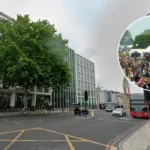
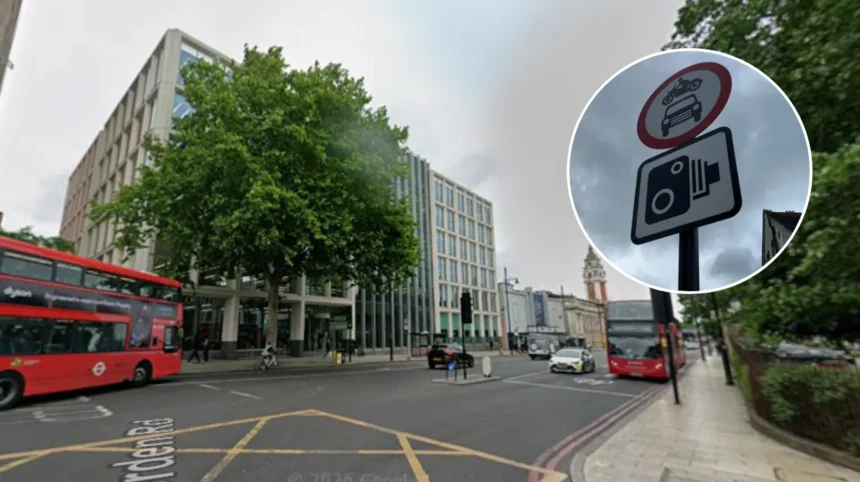
The High Court judicial review, heard earlier in 2026, challenged Lambeth Council’s implementation of the West Dulwich LTN, a scheme involving road closures and barriers aimed at reducing through-traffic in the residential area.
As detailed by Matthew Murphy in The Times, Councillor Rezina Chowdhury, who holds the cabinet portfolio for sustainability, neighbourhood and climate emergency, signed off on the LTN as part of her delegated authority.
In her witness statement to Mr Justice Swift, Councillor Chowdhury claimed she had only a limited role in the decision-making process. However, the resident’s recording, allegedly from a public meeting or conversation, is said to show her admitting to a more hands-on involvement in pushing the scheme forward. Campaigners, including those from local groups like Inside Lambeth, highlighted on their blog that
“the deputy leader of Lambeth Council signed off a low traffic neighbourhood… It is alleged that she lied in a statement to the court resulting in…”
the council’s defence succeeding initially.
The judicial review ultimately saw the LTN scheme upheld, but the post-judgment complaint has reignited tensions. LinkedIn posts referencing The Times coverage noted:
“Labour councillor urged to resign for ‘lying to judge about LTN’,”
with Rezina Chowdhury facing claims she misled the judge in her defence.
How Has the Council Responded to Data Protection Concerns?
Lambeth Council’s monitoring officer invoked data protection rules under the UK GDPR framework, suggesting the recording breached privacy laws by capturing a private conversation without consent. The Times reported that the officer’s letter to Mr Bennett specified:
“We are unable to confirm or deny whether Cllr Chowdhury has waived her right to confidentiality.”
This ambiguity prevented the council from verifying the facts or interviewing those involved.
No further comment was issued by the council on the substance of the allegation against Councillor Chowdhury. Residents have questioned whether this reliance on data protection is proportionate, especially given the public interest in elected officials’ court statements.
As Andrew Ellson reported on X, the council’s position has been seen as evading accountability in a politically charged local issue.
What Do Residents and Campaigners Say?
Local residents, particularly those opposed to LTNs in South London boroughs like Lambeth, have expressed frustration. Matthew Bennett told The Times:
“The council is hiding behind data protection rules to avoid investigating whether their deputy leader lied in court.”
He argued that the recording was made in a public setting, challenging the council’s claim of unlawfulness.
Inside Lambeth, a local watchdog blog, echoed this sentiment, stating the deputy leader’s actions raised serious questions about transparency in LTN decisions.
Separate Facebook discussions in related community groups, such as those concerning King’s Heath LTN concerns, have linked this to broader purdah rule debates during election periods, though not directly tied to Lambeth’s case. Campaigners urge an independent probe, but the council maintains its hands are tied by legal constraints.
Background of the Development
The West Dulwich LTN forms part of Lambeth Council’s wider rollout of low traffic neighbourhoods across South London, introduced post-2020 to promote cycling, walking and reduced car dependency amid climate goals. These schemes, featuring planters, bollards and camera enforcement, have faced repeated legal challenges from residents citing emergency access issues, business impacts and procedural flaws.
The High Court case marked one of several judicial reviews against Lambeth’s LTNs, with prior rulings quashing similar schemes in areas like Streatham Wells for inadequate consultation. Councillor Chowdhury’s role emerged from delegated powers granted under Lambeth’s constitution, allowing cabinet members to approve traffic orders.
Data protection concerns in council probes trace back to UK GDPR enforcement, as seen in unrelated cases like the Labour Party’s 2024 reprimand by the ICO for mishandling subject access requests, where backlogs led to breaches. This incident highlights ongoing tensions between local authority accountability and privacy laws in the context of community transport disputes.
Prediction: Impact on Lambeth Residents
This development could prolong distrust among Lambeth residents towards council-led LTN initiatives, as refusals to investigate elected officials’ conduct may fuel perceptions of opacity in decision-making. Affected audiences, including West Dulwich motorists, businesses and emergency service users, might pursue further legal or FOI routes, increasing administrative burdens and delaying other schemes.
Politically, it risks amplifying opposition voices ahead of local elections, potentially swaying voter sentiment on transport policies without resolution. Residents in similar South London boroughs may reference this case to challenge their own LTNs, heightening scrutiny on data protection’s use in public complaints.