Key Points
- Lambeth Labour councillors propose an overnight visitor levy for visitors staying in local accommodation.
- The borough council passed a motion urging the government to grant legal powers for the levy.
- Lambeth aims to collaborate with the Mayor of London, other councils, and Business Improvement Districts (BIDs) to advocate for the tax.
- Revenue raised would be reinvested into local public services such as street cleaning and borough maintenance.
- Tourist tax schemes already exist in UK cities like Manchester and Liverpool through BIDs, though not directly by local authorities.
- Scotland and Wales have legal provisions for visitor levies, prompting calls for similar laws in England.
- Speculation exists about the chancellor potentially introducing a tourist tax in the upcoming Budget.
What is Lambeth Council proposing regarding a tourist tax?
As reported by Luke Jerram of The Independent, Lambeth councillors have launched a campaign calling for an overnight visitor levy to be introduced across the borough and potentially London-wide. The proposal targets visitors staying overnight in local accommodations, suggesting a small charge on top of accommodation costs. Lambeth Labour describes the levy as a “fair and progressive” approach to ensure that mass tourism contributes financially to the local community.
- Key Points
- What is Lambeth Council proposing regarding a tourist tax?
- Why does Lambeth want a tourist tax?
- How did the council formalise this tourist tax campaign?
- What are the examples of similar levies in the UK?
- How does the government view the possibility of a tourist tax in England?
- What impact could a tourist tax have on London’s communities?
- What are the next steps for Lambeth’s tourist tax proposal?
Why does Lambeth want a tourist tax?
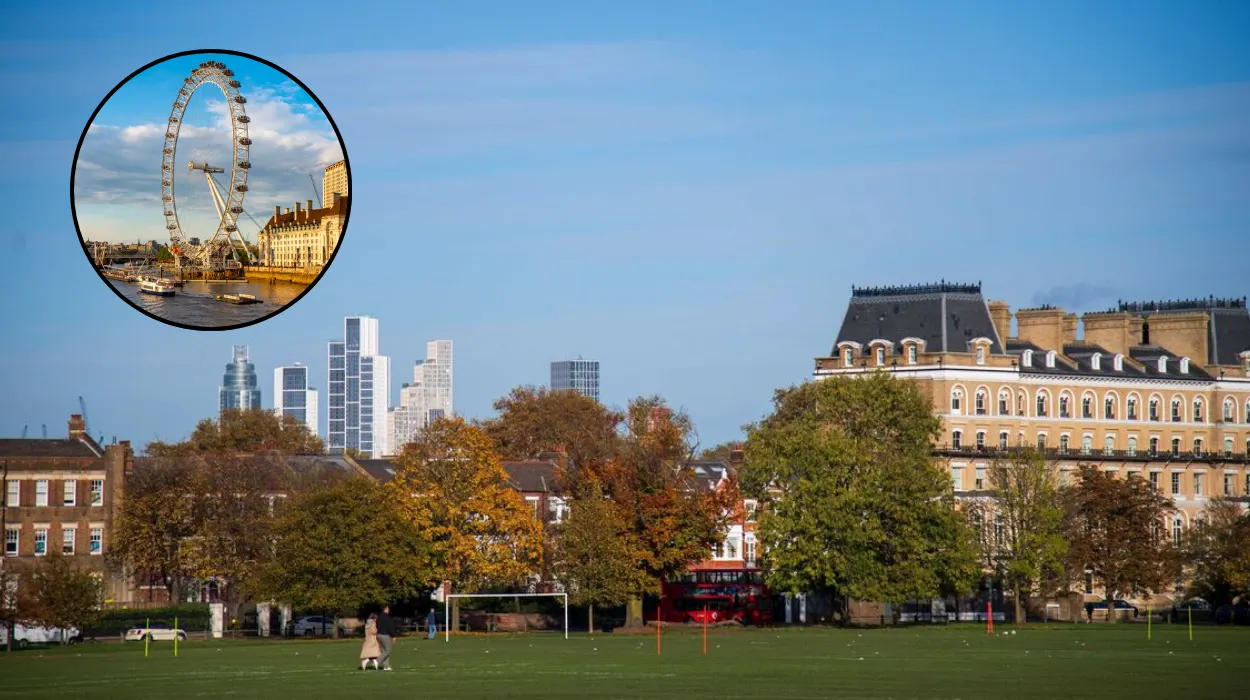
The borough, home to major attractions such as the London Eye, Brixton’s O2 Academy, and the Oval cricket ground, experiences tremendous visitor numbers. The South Bank alone attracts over three million visitors monthly, with weekend nighttime visitors reaching nearly 200,000. Lambeth Labour stated that revenue generated from the “Love Lambeth Levy” would be invested into public improvements, including street cleaning, maintenance, and promotional activities to strengthen Lambeth as a premier destination to visit and reside in.
“We’re incredibly proud of this, and we want to do everything we can as a council to expand and strengthen our borough as a leading destination to visit and live in,”
the party said, as highlighted by The Independent.
How did the council formalise this tourist tax campaign?
A motion to pursue the tourist levy was put forward by Lambeth’s ruling Labour party and passed at a council meeting on 15 October. The motion included a commitment to write to government ministers requesting the legal powers necessary to implement the overnight visitor charge.
Moreover, as reported by The Independent, the council pledged to work alongside the Mayor of London, other London boroughs, and Business Improvement Districts (BIDs) to advocate jointly for the introduction of the levy.
What are the examples of similar levies in the UK?
While local authorities in England currently lack the legal ability to impose a tourist tax directly, there are precedents in the UK. Both Manchester and Liverpool use their Business Improvement Districts (BIDs) to raise levies on accommodation. According to The Independent, BIDs are independent non-profit organisations that collect this levy, with the funds reinvested locally. This model, although effective, differs from a statutory tourist tax administered by local councils.
Scotland and Wales, however, have legal frameworks allowing their local authorities to impose visitor levies if they choose, creating pressure for England to follow suit.
How does the government view the possibility of a tourist tax in England?
Rachel Reeves, the Chancellor of the Exchequer, has been publicly resistant to introducing a tourist tax in England. However, speculation reported by Madeline Chambers in The Times hints at a possible reversal. Pre-Budget discussions suggest that an overnight visitor levy could be among the financial measures announced soon, marking a significant shift in policy.
What impact could a tourist tax have on London’s communities?
Tourism has both benefits and challenges for London boroughs. A well-designed tourist tax would help manage the impact of overtourism by generating revenue specifically aimed at addressing infrastructure strain and enhancing public spaces. Lambeth Labour emphasises that such a levy would not discourage visitors but instead promote sustainable tourism that contributes to local quality of life.
Cities across Europe have already implemented similar taxes to balance tourism growth with community needs, providing models that Lambeth and London could emulate.
What are the next steps for Lambeth’s tourist tax proposal?
Lambeth Council’s immediate plan involves continued lobbying at the national level, supported by cooperation with the Mayor of London and other boroughs. The council will also engage local businesses through BIDs to build consensus on the levy’s structure and deployment.
Should legal powers be granted, the implementation would follow to align London’s visitor management with other global cities where tourist levies have become standard practice.