Key Points
- Lambeth Council has called for an overnight visitor levy, sometimes described as a tourist tax, to be introduced in London and across the borough.
- Labour councillors say the charge would be a “fair and progressive” way to support sustainable tourism and contribute to local services.
- The proposal would place a small fee on accommodation costs such as hotels and short-term lets.
- The plan has been linked to other UK cities, including Manchester and Liverpool, where pilot schemes are testing nightly charges of £1 to £2.
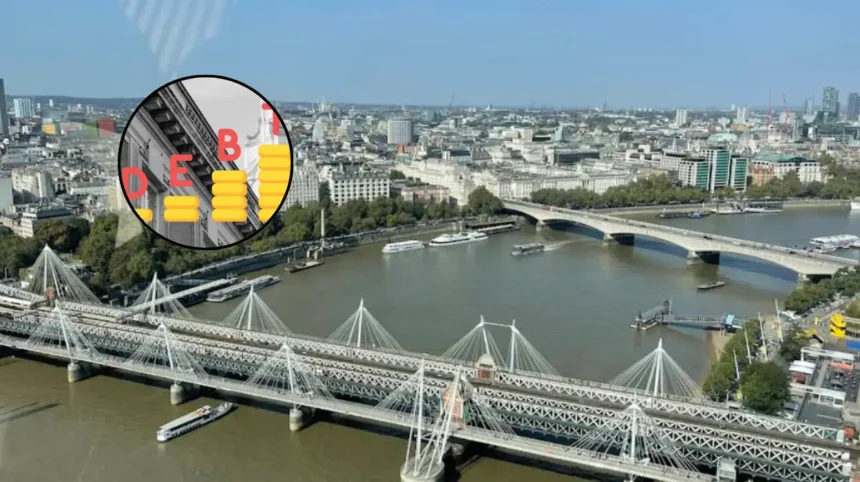
- Lambeth says the borough hosts major attractions including the London Eye, the National Theatre, Brixton’s O2 Academy and the Oval Cricket Ground.
- The South Bank alone is said to attract more than three million visitors a month, with nearly 200,000 additional visitors arriving at night at weekends.
- Supporters argue that any revenue could help with street cleaning, community safety, parks, cultural venues and other public services.
- The proposal comes amid wider debate over how tourism should be funded and who should pay for the impact of heavy visitor numbers.
Lambeth Council (South London News), May 19, 2026, has called for a tourist tax to be introduced in London and across the borough, with Labour councillors arguing that an overnight visitor levy would be a fair way to make tourism contribute more directly to local services, public spaces and the costs of heavy visitor traffic, as reported by the sources cited in the story.
As reported by the unnamed journalist in the original coverage, Lambeth Labour has backed an “Overnight Visitor Levy”, which would add a small charge to accommodation costs such as hotels and short-term lets. The council has said the move would support sustainable tourism and help the borough deal with the pressures of large visitor numbers.
Why is Lambeth backing a levy?
The council’s argument is that tourism brings clear benefits but also creates real costs for residents, businesses and public services.
Lambeth Labour has described the idea as a “fair and progressive” approach, saying visitors should help pay for the impact they place on the area.
The proposal is aimed at reinvesting money locally rather than relying entirely on council budgets.
Which places would be affected?
Lambeth is home to some of London’s best-known attractions, which is one reason the proposal has drawn attention.
These include the London Eye, the National Theatre, Brixton’s O2 Academy and the Oval Cricket Ground.
The South Bank is also described as a major visitor magnet, bringing in more than three million tourists a month, with nearly 200,000 extra visitors at night on weekends.
How would the tourist tax work?
The levy would be a small nightly charge placed on overnight stays, including hotels and short-term lets. The idea takes inspiration from other places, including Manchester and Liverpool, where pilot schemes are testing charges of £1 to £2 a night.
Similar proposals are also being discussed more widely in London and beyond, with business groups and city leaders debating how such levies should be structured.
What could the money be used for?
Supporters say the revenue could be directed towards services that bear the strain of tourism. Those uses include street cleaning, community safety, parks, cultural venues and maintenance of public spaces.
The council also argues that extra income could help preserve the borough’s nighttime economy and support the wider visitor offer.
What is the wider debate?
The proposal sits within a broader discussion about how to manage overtourism and whether visitors should contribute more directly to the places they use.
Some back the idea as a way to protect public services, while others worry that extra charges could discourage longer stays or affect competitiveness.
Business groups have suggested that if a levy is introduced, it should be simple and limited so it does not put off tourists.
Explore More Lambeth Council News
Lambeth Disabled Man Wins £1,000 Over Inaccessible Housing Lambeth 2026
Lambeth Council Faces Pressure Over Housing as Demand Continues to Rise
Background of this development
The call for a tourist tax is part of a longer-running debate over visitor levies in the UK and Europe. Overnight charges already exist in several places outside London, and other cities have used them to raise money for local infrastructure, services and tourism management.
In Lambeth, the idea has gained momentum because the borough combines major national attractions with large residential communities that bear much of the day-to-day pressure from tourism.
Prediction
If the levy moves forward, the most immediate impact would be felt by hotels, short-term lets and the wider hospitality sector in Lambeth and central London. Visitors may pay slightly more for overnight stays, while the borough could gain an additional funding stream for cleaning, safety and public realm improvements. For residents, the change could mean some relief from the costs of heavy tourist numbers, but the final effect would depend on how the charge is designed and how the money is spent.