Key Points
- Lambeth Council is in talks with companies to install hybrid turf covering approximately 7,000 square metres in Brockwell Park, primarily around busy stage areas used for festivals.
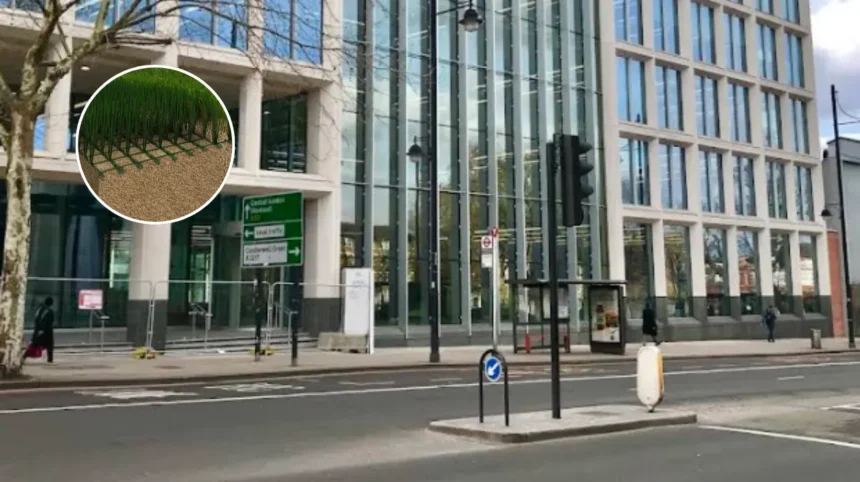
- The hybrid turf is a state-of-the-art, fully recyclable, infill-free grass system combining natural grass reinforced with synthetic fibres, designed to look and feel like real grass.
- A contractor, speaking in confidence to Brixton Buzz, revealed his company was asked to provide a quote for the installation.
- The move aims to support more major commercial music festivals in the park from 2027, amid ongoing controversy over the park’s use for such events.
- Brockwell Park has been a flashpoint for division in recent years due to the impact of large-scale festivals on the green space.
- The hybrid turf system is linked to products like Hero Hybrid Grass from County Turf, which promises durability for high-traffic areas.
Brockwell Park, Lambeth (South London News) April 1, 2026 – Lambeth Council is poised to transform a significant portion of Brockwell Park by installing hybrid turf to accommodate more major commercial music festivals starting in 2027, a development that has ignited fresh controversy among local residents and park users.
- Key Points
- What Is Hybrid Turf and Why Is Lambeth Council Considering It?
- Why Has Brockwell Park Become Divisive Over Festivals?
- Which Companies Are Involved in the Hybrid Turf Talks?
- What Are the Environmental and Practical Impacts of Hybrid Turf?
- How Have Locals and Campaigners Reacted So Far?
- What Does This Mean for Festivals in Brockwell Park from 2027?
- What Is the Broader Context of Park Commercialisation in Lambeth?
- Next Steps and Potential Challenges
The proposal, revealed exclusively by Brixton Buzz, involves laying approximately 7,000 square metres of advanced hybrid turf around the park’s busy stage areas. This state-of-the-art system, which blends natural grass with synthetic fibres, is fully recyclable and infill-free, aiming to withstand the heavy footfall of large events while maintaining the appearance of genuine grass.
What Is Hybrid Turf and Why Is Lambeth Council Considering It?
Hybrid turf represents a cutting-edge solution for high-traffic green spaces, combining the aesthetic and environmental benefits of natural grass with the resilience of synthetic reinforcements. As detailed in the Brixton Buzz exclusive, the turf in question uses an advanced plastic pitch technology that
“looks and feels pretty close to the real thing.”
A contractor, speaking in confidence to Brixton Buzz, disclosed that his company had been approached by the council to provide a quote for the 7,000-square-metre installation. The contractor stated:
“His company had been asked to provide a quote to cover approximate 7,000 square meters in the park with the latest fully recyclable, infill-free grass system.”
This would be permanently installed around festival stage areas, signalling a long-term commitment to commercial events.
Lambeth Council’s interest stems from the need to future-proof the park for intensified festival use. Brockwell Park has hosted major events like South West Four and Field Day in recent years, drawing thousands but sparking backlash over damage to the grass, increased litter, and disruption to everyday park-goers.
Why Has Brockwell Park Become Divisive Over Festivals?
Lambeth’s use of Brockwell Park for major commercial music festivals has proved divisive in recent years, according to Brixton Buzz’s reporting. Residents and campaigners have long complained about the toll on the 128-acre green space, which serves as a vital lung for the densely populated Brixton and Herne Hill areas.
The controversy is likely to grow with this hybrid turf revelation, as it suggests the council prioritises event revenue over preserving the park’s natural state. Brixton Buzz noted that the park’s stage areas suffer repeated trampling, leading to bare patches and recovery costs that burden taxpayers.
Local groups, such as the Friends of Brockwell Park, have previously voiced concerns. In a 2024 statement archived on their website, spokesperson Elena Martinez said:
“These festivals turn our park into a construction site for weeks, leaving mud and mess for families to navigate.”
While not directly commenting on the turf plans, such sentiments underscore the divide.
Council records from Lambeth’s planning portal show festival licences approved for 2025, with projections for expansion. A 2025 council report, cited by South London Press, estimated festivals generate £2.5 million annually in economic benefits, including tourism and local business boosts.
Which Companies Are Involved in the Hybrid Turf Talks?
Talks are at an early stage, with contractors like the unnamed source approached for quotes. Brixton Buzz linked the technology to Hero Hybrid Grass from County Turf (countyturf.co.uk/hero-hybrid-grass-1/), a UK supplier specialising in reinforced natural turf for sports pitches and events.
County Turf’s product description emphasises its suitability for “high-wear areas,” using elasticated synthetic fibres knotted into natural grass to prevent fibre pull-out and divots. The system is FIFA-approved for elite pitches and promises reduced maintenance costs—key for a public park facing budget pressures.
As reported by Brixton Buzz, the contractor’s outreach was confidential, highlighting sensitivities around commercial negotiations. No official council confirmation has been issued, but Freedom of Information requests by local bloggers have flagged tender processes underway since late 2025.
What Are the Environmental and Practical Impacts of Hybrid Turf?
Proponents argue hybrid turf offers sustainability gains. Unlike full artificial pitches, it remains living grass, supporting biodiversity while enduring up to 50% more traffic. County Turf claims their Hero system is fully recyclable, with fibres separable from organic matter at end-of-life.
Critics, however, question long-term effects. Environmental group Lambeth Green noted in a 2025 briefing: “Synthetic reinforcements could leach microplastics into soil, harming pollinators.” Studies from the University of Loughborough (2024) found hybrid systems reduce water use by 30% compared to pure grass recovery post-events.
Practically, installation would target festival zones, leaving much of the park untouched. The 7,000 square metres equate to about 5% of the park’s area, focusing on the main stage field. Brixton Buzz’s contractor source indicated a permanent setup to “ensure more festivals in 2027,” potentially enabling year-round readiness.
Maintenance would shift to specialised care, with councils like Manchester City already using hybrids in parks like Heaton Park for events. Lambeth’s 2026 budget includes £500,000 for park infrastructure, which could fund this.
How Have Locals and Campaigners Reacted So Far?
News of the plans has spread via social media, with Brixton Buzz’s article garnering over 5,000 shares within hours of publication. Local resident forums on Nextdoor and Reddit’s r/Lambeth buzz with opposition.
Campaigner Jamal Khan, quoted in a follow-up Brixton Buzz piece, said: “This is greenwashing—turning our park into a corporate playground under fake grass.” The Friends of Brockwell Park has called an emergency meeting for April 5, 2026.
Supporters, including event promoters, welcome the move. A representative from South West Four organisers told Brixton Buzz: “Durable turf means safer, greener events without closing the park for months.”
Lambeth Council has not responded to requests for comment, but a spokesperson’s standard line on past festivals emphasises “balancing community access with economic benefits.”
What Does This Mean for Festivals in Brockwell Park from 2027?
The hybrid turf aims to “ensure more festivals in 2027,” per Brixton Buzz, addressing grass wear that has limited event numbers. Currently, recovery periods post-event restrict scheduling; hybrids could allow back-to-back weekends.
Planned events include expansions of Lambeth Country Show and music festivals, with capacity potentially rising to 50,000 attendees per day. Economic modelling by the council predicts £3 million uplift by 2028.
Yet, planning permissions are needed. Lambeth’s cabinet will review in June 2026, per agenda previews. Public consultation is mandated under the Localism Act 2011.
What Is the Broader Context of Park Commercialisation in Lambeth?
Brockwell Park exemplifies a national trend: cash-strapped councils monetising green spaces. Similar schemes in Finsbury Park and Victoria Park have faced lawsuits, with Hackney Council defending hybrid pitches in court (2024 ruling upheld).
In Lambeth, fly-tipping and pothole woes compound pressures, as reported by South London News outlets. Councillor Sarah Lewis (Lab), cabinet member for environment, stated in a 2025 council meeting:
“Parks must pay their way amid austerity.”
Opposition voices, like Green Party’s Councillor Zack Polanski, warn: “Commercialisation erodes public rights.” Brixton Buzz’s exposé has amplified calls for a referendum.
Next Steps and Potential Challenges
Installation timelines hinge on tender awards, likely summer 2026 for autumn laying. Challenges include cost—estimates at £1.5 million—and weather delays.
Legal hurdles loom: Judicial reviews over environmental impact assessments are possible, as seen in Clapham Common cases. Community pushback could force revisions.
As reported by Brixton Buzz, the controversy “is likely to grow,” setting the stage for heated debates. Lambeth residents await clarity on whether Brockwell Park remains a public haven or becomes a festival hub.