Key Points
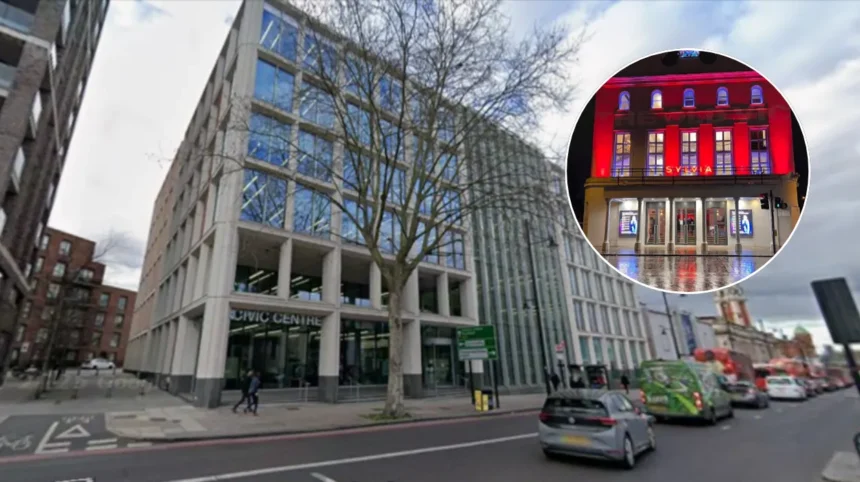
- The Old Vic Theatre, one of London’s most iconic venues located on The Cut, has submitted a planning application to Lambeth Council for updating its illuminated signs and digital display screens.
- Proposed updates include an illuminated ‘show’ neon sign, digital LED screens on the front of the theatre and on Waterloo Road, updated stencilled signage, a projecting neon sign for a secondary entrance, and a ‘Stage Door’ projecting neon sign.
- Non-illuminated signs for Webber Street are also part of the application.
- Existing ‘Café Bar’ signage would be replaced with ‘Box Office’ lettering.
- Changes aim to enhance signage installed under previous permissions from 2017 and 2019.
- Digital LED screens will display still images advertising The Old Vic, changing every 30 minutes across three screens.
- Public consultation for residents and interested parties begins on March 9, 2026.
Lambeth (South London News) February 24, 2026 – The Old Vic Theatre has applied to Lambeth Council for permission to modernise its advertising displays, including neon signs and digital LED screens, as part of efforts to refresh its iconic facade. This application, if approved, would permit illuminated ‘show’ neon signs, digital screens on the theatre’s front and Waterloo Road, and various other signage updates across entrances and adjacent streets. Planning documents indicate these enhancements build on prior approvals from 2017 and 2019, with a public consultation scheduled to start on March 9, 2026.
- Key Points
- What Is the Old Vic Theatre Proposing in Its Application?
- Why Is the Old Vic Updating Its Signage Now?
- Where Exactly Will the New Signs Be Located?
- When Will Residents Be Able to Comment on the Plans?
- How Do the Proposals Build on Previous Permissions?
- What Has Been the Theatre’s Role in London’s Cultural Scene?
- Are There Any Concerns from the Local Community?
- Who Is Handling the Planning Application?
- What Happens If Permission Is Granted?
- What If Permission Is Refused?
- Broader Impact on Lambeth’s Theatre District
What Is the Old Vic Theatre Proposing in Its Application?
The Old Vic, situated on The Cut in the heart of Lambeth, seeks comprehensive updates to its external signage to maintain its visibility and appeal. As detailed in the planning submission to Lambeth Council, the proposals encompass multiple elements designed to replace and improve existing displays.
The application includes an illuminated ‘show’ neon sign positioned prominently at the theatre’s front. Digital LED screens are planned both in front of the theatre and along Waterloo Road, dedicated exclusively to promoting Old Vic productions through still images.
These screens would cycle images every 30 minutes across the three units, ensuring dynamic yet controlled advertising.
Additionally, updated stencilled signage would adorn the theatre building, alongside a projecting neon sign for a secondary entrance.
A ‘Stage Door’ projecting neon sign is proposed, complemented by non-illuminated signs on Webber Street. A key change involves swapping the current ‘Café Bar’ lettering for ‘Box Office’, aligning the signage more closely with contemporary operations.
Planning documents lodged on Lambeth Council’s website emphasise that these modifications enhance signage previously authorised in 2017 and 2019 applications. The theatre argues that the updates will preserve its historic character while improving public engagement.
Why Is the Old Vic Updating Its Signage Now?
The Old Vic’s initiative reflects a commitment to evolving its public-facing elements without compromising its Grade I-listed status. As one of London’s oldest continuously operating theatres, established in 1818, it balances heritage preservation with modern functionality.
The current signage, including neon and LED elements, has served the venue well but requires renewal to remain effective.
The proposals aim to consolidate and upgrade installations from prior permissions, ensuring compliance with current planning standards. Digital screens, for instance, are specified for still images only, mitigating concerns over intrusive lighting or motion.
Lambeth Council’s planning portal outlines that the theatre’s team views these changes as essential for visibility amid growing competition in London’s cultural scene. The ‘Box Office’ rebranding of the former ‘Café Bar’ area signals operational shifts, potentially streamlining visitor access.
No specific timeline for implementation is stated beyond the consultation phase, but approval could enable swift execution given the enhancements’ alignment with existing setups.
Where Exactly Will the New Signs Be Located?
Precise locations are mapped out in the application to target high-traffic areas around the theatre. The primary illuminated ‘show’ neon sign and front-facing digital LED screens will grace The Cut facade, directly engaging passers-by.
Waterloo Road will host additional digital LED screens, capitalising on its busy pedestrian and vehicular flow. The secondary entrance projecting neon sign will mark an alternative access point, while the ‘Stage Door’ neon sign directs performers and staff.
Webber Street receives non-illuminated signage, providing subtle wayfinding without illumination to respect residential proximity. Stencilled updates will integrate across the building envelope, maintaining architectural cohesion.
These placements ensure the theatre remains a beacon in Waterloo’s cultural quarter, enhancing navigation for audiences attending productions.
When Will Residents Be Able to Comment on the Plans?
Lambeth Council has set a clear consultation window to gather feedback. Residents and interested parties can submit views starting from March 9, 2026, via the council’s planning portal or standard channels.
This period allows scrutiny of the digital screens’ operation—still images rotating every 30 minutes—and neon elements’ impact on the local streetscape. The theatre’s application, publicly accessible online, includes technical drawings and justifications for review.
Council officers will assess responses before determining the outcome, potentially leading to approval, refusal, or conditions. The process underscores Lambeth’s emphasis on community involvement in developments affecting heritage assets.
How Do the Proposals Build on Previous Permissions?
The Old Vic’s latest bid explicitly references enhancements to signage from 2017 and 2019. Those approvals introduced neon and digital elements that have since defined the theatre’s vibrant exterior.
Current plans swap outdated ‘Café Bar’ lettering for ‘Box Office’, reflecting internal reconfiguration. Digital screens remain promotional, now standardised to stills for regulatory compliance. Neon projections for entrances evolve prior designs, improving legibility.
Documents stress continuity, arguing the updates sustain the theatre’s role as a landmark without material alterations to its protected structure.
What Has Been the Theatre’s Role in London’s Cultural Scene?
The Old Vic stands as a cornerstone of British theatre, hosting luminaries from Laurence Olivier to recent stars in innovative productions. Located on The Cut since its founding, it draws global audiences to Waterloo.
Its signage has long been integral to branding, with illuminated elements synonymous with West End allure. This application ensures that legacy endures amid urban evolution.
Lambeth Council’s oversight protects such icons, balancing commercial needs with conservation.
Are There Any Concerns from the Local Community?
At this stage, no public objections have surfaced, as consultation is forthcoming. However, the proposals address potential issues proactively—limiting screens to still images and timed changes to minimise disturbance.
Neon signs’ positioning avoids glare into homes, while non-illuminated Webber Street elements respect quieter zones. Heritage groups may weigh in, given the theatre’s status.
Lambeth’s process invites broad input, ensuring diverse voices shape the decision.
Who Is Handling the Planning Application?
The Old Vic Theatre management spearheads the submission, with planning agents likely preparing documents for Lambeth Council. No individual names are specified in public records, but the theatre’s estates team drives such initiatives.
Council planning officers will review, consulting specialists on lighting and heritage impacts. Public input from March 9 will inform elected members’ final call.
What Happens If Permission Is Granted?
Approval would greenlight immediate works, replacing signage swiftly. Digital screens could operationalise soon after, boosting promotion for upcoming seasons.
The theatre anticipates enhanced footfall, supporting local businesses. Maintenance regimes would ensure longevity, with periodic council checks.
What If Permission Is Refused?
Rejection might prompt appeals or revisions, delaying updates. The theatre could retain existing signage under prior consents, though renewal needs persist.
Lambeth would cite reasons, such as visual amenity or neighbour impacts, guiding any resubmission.
Broader Impact on Lambeth’s Theatre District
Waterloo’s cultural hub thrives on venues like The Old Vic, where modern signage aids discovery. Aligning with council goals for vibrant high streets, this fits regeneration efforts.
Similar applications elsewhere in South London highlight growing emphasis on adaptive heritage use.