Key Points
- A woman suffered life-changing head injuries after being struck by a Metropolitan Police van while crossing a road in Streatham, south London, in 2019
- The woman, who cannot be named for legal reasons, has settled her claim with the Metropolitan Police for approximately £1.3 million
- The van was responding to an emergency call at the time of the collision
- Giles Mooney KC, representing the woman, told the High Court she is now cared for by her family and will never work or live independently again
- Both parties agreed in 2024 that the woman was partly responsible for the collision and would receive 40 per cent of the total damages
- Judge Sylvia de Bertodano approved the settlement, noting the woman spent almost six months in the hospital following the crash
- The family hopes to use the settlement to buy a property to support her ongoing care
- The judge described the family’s care as “quite outstanding” and called the settlement “sensible”
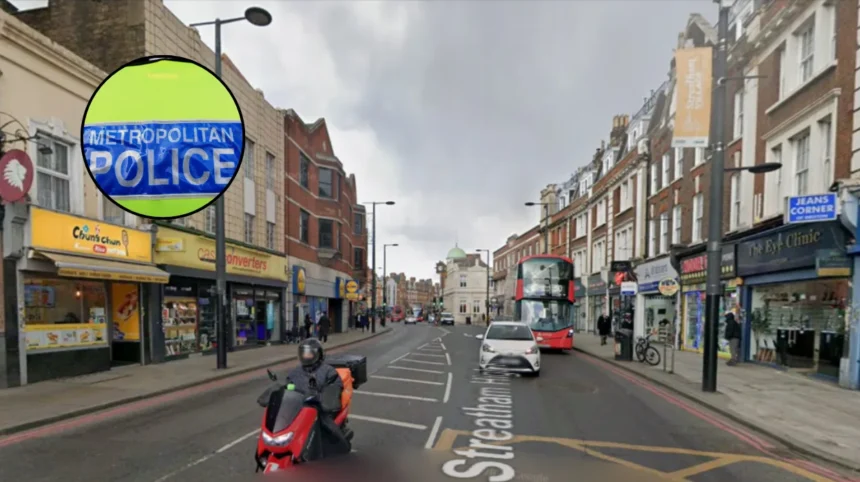
Streatham (South London News) June 3, 2026 – A woman who was struck by a Metropolitan Police van while crossing a street in south London has reached a legal settlement with the police force amounting to £1.3 million, as reported by the Evening Standard and BBC News. The incident occurred in 2019 when she was hit by the van that was responding to an emergency call in Streatham, according to BBC News. During a hearing at the High Court on Tuesday, Giles Mooney KC reported that his client sustained significant head injuries as a result of the collision and is now cared for by her family.
- Key Points
- What Injuries Did the Woman Sustain in the Police Van Collision?
- How Was the £1.3 Million Settlement Amount Calculated?
- What Did the Judge Say About the Settlement and the Woman’s Condition?
- What Was the Metropolitan Police’s Response to the Settlement?
- Why Can’t the Woman’s Name Be Published?
- How Long Did the Legal Process Take Before the Settlement Was Reached?
- Background of the Development
- Prediction: How This Development Can Affect South London Residents and Emergency Service Users
What Injuries Did the Woman Sustain in the Police Van Collision?
As reported by Giles Mooney KC of the Evening Standard, his client suffered serious head injuries in the collision and is now cared for by her family. Judge Sylvia de Bertodano, who approved the settlement, stated that the woman spent almost six months in hospital following the collision. The judge continued that the woman “continues to suffer life-changing, ongoing symptoms as a result of the accident” and
“will never work or live independently again”.
BBC News confirmed that the woman suffered serious head injuries in the crash in Streatham and is now cared for by family.
How Was the £1.3 Million Settlement Amount Calculated?
According to Giles Mooney KC, representing the woman, both parties agreed in 2024 that the woman partly contributed to the collision and would be awarded 40 per cent of any damages. Mooney indicated that this meant she would receive around £1.3 million, which the woman and her family hoped to use to buy a property to support her care.
The barrister told the court that in 2024, the two sides agreed the woman partly contributed to the collision, and that she would receive 40 per cent of the total damages.
What Did the Judge Say About the Settlement and the Woman’s Condition?
Judge Sylvia de Bertodano approved the settlement and described it as “sensible” during the High Court hearing, as reported by the Evening Standard. She noted that the woman’s family provides “quite outstanding” care and added that
“I am sure that the claimant’s family are hugely relieved that this is over”.
The judge continued, stating,
“I recognise that the damages in terms of money will only be a proportion of what is needed, but I very much hope that it means that the family can move forward in the certainty of what funding is available to support her future”.
Addressing the woman in court, the judge concluded:
“I would like to wish you and all your family the very, very best for the future”.
What Was the Metropolitan Police’s Response to the Settlement?
Adam Clemens, representing the Metropolitan Police, stated: “May I just take this opportunity to wish the claimant and her family the very best of luck going forward,” according to the Evening Standard’s court reporting.
The Metropolitan Police force agreed to the settlement terms, acknowledging the claim and the damages awarded to the injured woman.
Why Can’t the Woman’s Name Be Published?
The woman cannot be identified for legal reasons, as stated in reports from both the Evening Standard and BBC News. This anonymity is standard in cases where legal protections are in place to protect the identity of injured parties in personal injury settlements, particularly when the injured person cannot consent to public identification due to their condition.
How Long Did the Legal Process Take Before the Settlement Was Reached?
The incident occurred in 2019, and the settlement was announced in June 2026, meaning the legal process took approximately seven years from the time of the collision to the final settlement. Both parties agreed on the contributory negligence aspect in 2024, when they acknowledged that the woman partly contributed to the collision. The High Court hearing where the settlement was approved took place on Tuesday, June 2, 2026.
Background of the Development
This case represents a significant personal injury settlement involving the Metropolitan Police Service, one of the largest police forces in the United Kingdom.
The incident occurred in Streatham, south London, an area that has been the subject of various news coverage over the years including security-related incidents. The collision happened while the police van was responding to an emergency call, which raises questions about emergency vehicle driving protocols and pedestrian safety in urban environments.
The legal basis for the claim involved personal injury law in England and Wales, where contributory negligence can reduce damages proportionally. In this case, the 40 per cent award reflects the court’s determination that the woman was partly responsible for the collision. The High Court, under Judge Sylvia de Bertodano, oversees such personal injury claims and must approve settlements to ensure they are fair and adequate for the injured party’s future needs.
The Metropolitan Police has faced numerous legal claims over the years involving vehicle accidents, emergency response incidents, and personal injury cases. This £1.3 million settlement represents one of the significant payouts related to police vehicle incidents in recent years.
The case highlights the ongoing challenges emergency services face when balancing rapid response requirements with public safety considerations.
Prediction: How This Development Can Affect South London Residents and Emergency Service Users
This settlement will likely have several meaningful impacts on South London residents, particularly those who interact with emergency services or cross roads in areas with high police vehicle activity. For pedestrians in Streatham and surrounding south London boroughs, this case reinforces the importance of vigilance when crossing roads, especially near police stations or routes commonly used by emergency vehicles.
For individuals who have been injured in similar accidents involving emergency vehicles, this settlement sets a precedent for what compensation might be available when life-changing injuries occur. The acknowledgment of contributory negligence and the 40 per cent damage award could influence how future cases are evaluated, potentially affecting compensation amounts for other plaintiffs in similar situations.
The Metropolitan Police may review or strengthen its emergency vehicle driving protocols following this settlement, which could result in changes to how officers respond to emergency calls in densely populated urban areas like south London.
This might include additional training for drivers, altered response procedures, or enhanced safety measures that could reduce the likelihood of similar incidents occurring in the future.
For families caring for seriously injured relatives, this case demonstrates that substantial financial support can be obtained through legal channels, though it also shows the lengthy process involved—seven years in this case. South London residents facing similar circumstances may now have clearer expectations about potential compensation and the timeline for resolution.
The settlement also highlights the financial burden on families providing care for seriously injured relatives. The family’s plan to use the funds to purchase a property suitable for ongoing care could serve as a model for other families in similar situations, though it also underscores that even £1.3 million may not fully cover lifetime care costs, as Judge de Bertodano noted that “money will only be a proportion of what is needed”.