Key Points
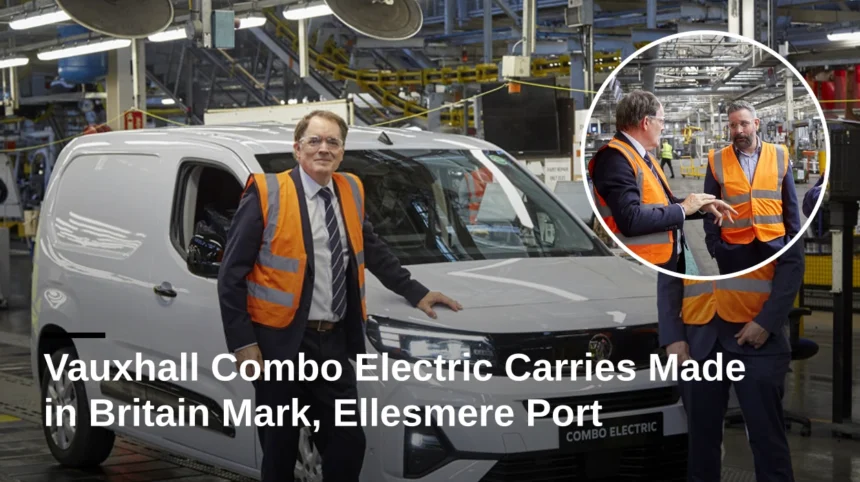
- Vauxhall’s Combo Electric van is featured with the official Made in Britain trademark.
- The van is built at Stellantis’ Ellesmere Port plant in Cheshire, the UK’s first electric vehicle-only volume manufacturing plant.
- The ‘Brit’s What We Do’ campaign launched on 2 November across video-on-demand and social media.
- Vauxhall says the campaign celebrates British manufacturing, customers and communities.
- Made in Britain chief executive John Pearce said the trademark highlights British skills, innovation and manufacturing.
Inverted pyramid:
Ellesmere Port (South London News) November 26, 2026 – Vauxhall has featured the official Made in Britain trademark on its British-built Combo Electric van as part of a campaign celebrating the company’s UK manufacturing heritage. The ‘Brit’s What We Do’ campaign, launched on 2 November across video-on-demand and social media, highlights Vauxhall vehicles, British communities and the transition to electric motoring. The 60-second film includes the electric van produced at Stellantis’ Ellesmere Port plant in Cheshire.
What does the Vauxhall campaign include?
As reported by Made in Britain, the campaign uses 60-second and 30-second films showing Vauxhall cars and vans in familiar British settings. The creative focuses on people, places and everyday experiences associated with life in Britain.
The 60-second film features the Combo Electric, whose rear displays the Made in Britain trademark. Vauxhall said the mark demonstrates its continuing investment in British manufacturing and commercial vehicle production.
The campaign also includes Vauxhall’s partnership with Team GB. Athletes Caden Cunningham, Andrea Spendolini-Sirieix, Emma Finucane MBE and Jake Jarman appear in the campaign as ambassadors ahead of the Los Angeles 2028 Olympic Games.
What did Vauxhall and Made in Britain say?
Eurig Druce, Vauxhall Managing Director and Stellantis UK Group Managing Director, said the campaign celebrates Vauxhall’s British roots, loyal customers and manufacturing heritage. He said placing the trademark on the Combo Electric recognises the expertise of employees at Ellesmere Port and the role British manufacturing can play in the shift to electric vehicles.
John Pearce, Chief Executive Officer of Made in Britain, said producing the Combo Electric in the UK demonstrated the skills, expertise, passion and innovation of British industry. He said the trademark could help consumers identify products made in Britain while supporting jobs and livelihoods.
“Vauxhall’s electric vans will proudly display the Made in Britain trademark as both a badge of honour and a clear reminder to everyone that Britain’s automotive industry is fully charged and ready to go,” John Pearce said.
How has Ellesmere Port changed?
Stellantis invested £100 million in transforming the Ellesmere Port site in 2023. The plant became the UK’s first electric vehicle-only volume manufacturing facility, with a battery pack assembly shop and an updated general assembly line designed to improve energy efficiency and productivity.
The site, which has manufactured Vauxhall vehicles since 1964, is also developing a new assembly line for medium-sized vans. Made in Britain said the facility employs more than 1,000 people and supports the local community and wider economy.
What is the background to Vauxhall’s British manufacturing campaign?
Vauxhall was established in Britain in 1857 and built its first single-cylinder, five-horsepower car in 1903. The company describes itself as the longest-running vehicle manufacturer to have continuously produced vehicles in the UK. Its latest campaign follows the introduction of a new Griffin emblem and is intended to become a long-term platform focused on British identity, communities and accessible mobility.
How could the campaign affect audiences interested in British-made electric vans?
The prominent trademark may make it easier for customers seeking British-built commercial vehicles to identify the Combo Electric in advertising and on the road. For small businesses, fleet operators and consumers interested in domestic manufacturing, the campaign could connect electric-van purchasing with considerations including UK production, employment and the transition away from petrol and diesel vehicles.
The campaign’s effect will depend on how audiences respond to the combination of British manufacturing, electric mobility and Vauxhall’s sporting partnerships. It does not, by itself, establish changes to vehicle sales, production volumes or consumer behaviour.