Key Points
- Baby Kit, born at University Hospital Lewisham, died six hours after birth.
- A critical three-hour delay in administering a life-saving blood transfusion contributed to Kit’s death.
- The baby was born in a critically unstable state after mother Sarah Conroy experienced an antepartum haemorrhage.
- Lewisham and Greenwich NHS Trust admitted to the delay and made changes following an independent investigation.
- The Conroys received an undisclosed out-of-court settlement through their legal representatives.
- Sarah and Andrew Conroy are campaigning for improved maternity services nationwide.
- A related case involved a newborn Khalia Thomas who died at Lewisham hospital due to missed care opportunities.
- Staffing shortages and miscommunication were significant factors in these maternity care failings.
What Happened to the Newborn Baby at Lewisham Hospital?
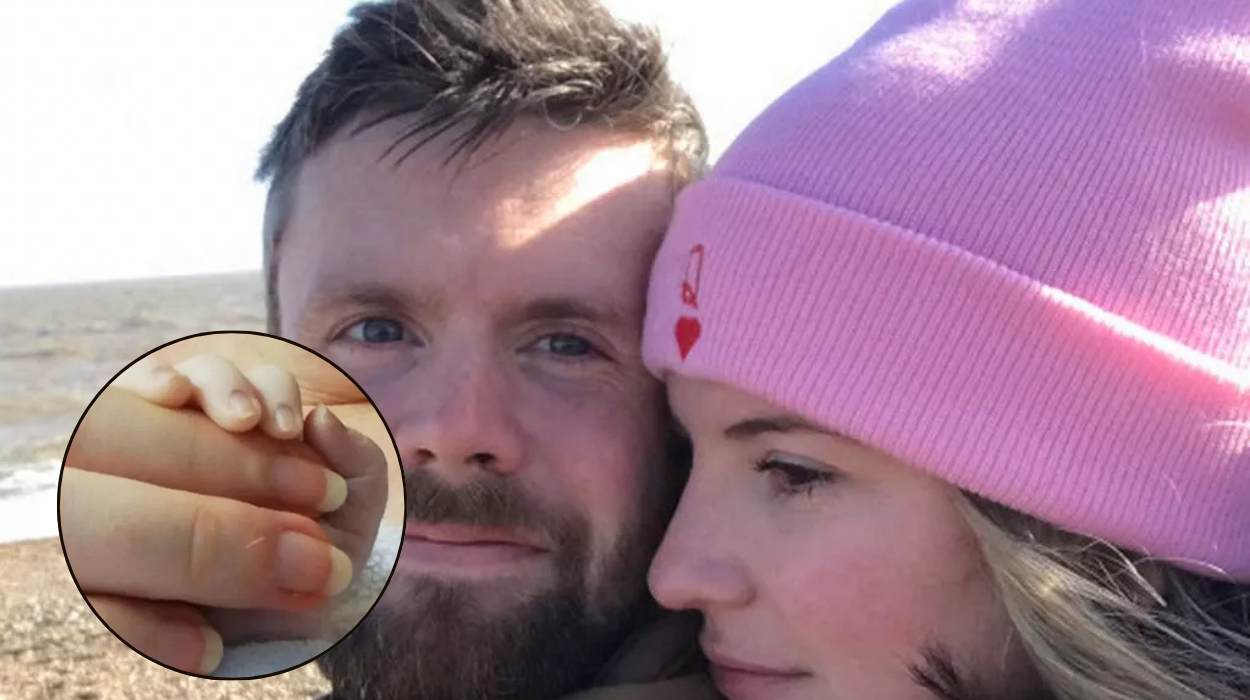
As reported by Sarah Conroy and her husband Andrew from Sevenoaks, Kent, their “miracle” baby Kit tragically died six hours after birth due to a three-hour delay in receiving a potentially life-saving blood transfusion at London’s University Hospital Lewisham. Kit was delivered in a critically unstable condition after Sarah suffered a severe antepartum haemorrhage—a condition where the placenta detaches from the uterus during labor—necessitating resuscitation efforts.
- Key Points
- What Happened to the Newborn Baby at Lewisham Hospital?
- Why Was the Blood Transfusion Delayed?
- What Has the Lewisham and Greenwich NHS Trust Said?
- What Are the Parents Saying?
- Are There Other Similar Cases at Lewisham Hospital?
- How Are Staffing and Communication Affecting Maternity Care at Lewisham?
- What Do Legal Representatives Say About These Cases?
- What Support Is Available for Families Experiencing Bereavement?
Despite the baby’s critical state, medical personnel delayed administering emergency blood transfusion, only giving it when Kit was already three hours old. This delay was a crucial factor in Kit’s death shortly after birth.
Why Was the Blood Transfusion Delayed?
According to Sarah Conroy’s account shared with BBC News and legal representatives from Irwin Mitchell, the delay was part of significant clinical failings. Sarah had experienced multiple bleeding incidents in the weeks leading up to delivery, including a major antepartum haemorrhage at 36 weeks gestation and a second bleeding event at 38 weeks, for which she attended the hospital twice.
Despite these warning signs and previous hospital admissions, the emergency transfusion was delayed during Kit’s resuscitation at birth. The exact reasons for the delay have not been fully disclosed but resulted in an independent investigation and subsequent changes at Lewisham hospital.
What Has the Lewisham and Greenwich NHS Trust Said?
The Trust acknowledged the incident and confirmed that changes to maternity services were implemented following the investigation. They stated that an action plan responding to findings from the review has been thoroughly implemented and they remain committed to ongoing improvements in care.
The NHS Trust also conveyed its condolences to the family and highlighted the importance of learning from such tragedies to prevent future occurrences.
What Are the Parents Saying?
Sarah Conroy, reflecting on the traumatic experience, urged other parents to trust their instincts and to question healthcare professionals to ensure high standards of care. She highlighted the tragic reality of many families affected by inadequate maternity care and insisted on the need for vigilance and advocacy from parents.
She said, “If sharing our experience can empower families to inquire and enhance care, then perhaps Kit’s passing won’t be entirely in vain”.
Since the tragedy, the Conroys have had two more children, Cooper (two years old) and Jude (eight months old), which has brought them hope amidst their loss.
Are There Other Similar Cases at Lewisham Hospital?
Yes. A coroner’s inquest in May 2025 revealed another heartbreaking case where a newborn, Khalia Thomas, died shortly after birth at University Hospital Lewisham due to missed opportunities by hospital staff to escalate care in a timely manner.
Khalia died at just 38 minutes old after her mother, Lucy Duong, experienced significant labour complications and concerns that were not appropriately acted upon. Staffing shortages on the day and miscommunications led to the mother being wrongly classified as low risk, resulting in delayed interventions.
The coroner concluded the hospital missed several chances to save Khalia and highlighted systemic issues including understaffing and poor communication. Khalia’s parents expressed devastation and questioned whether their concerns were ignored because they belong to a minority group.
How Are Staffing and Communication Affecting Maternity Care at Lewisham?
Witnesses and staff during the inquest into Khalia Thomas’s death described “dire” staffing levels and a sense of desperation among workers due to understaffing and last-minute cancellations. On the day of the incident, several staff members were away for training or sick, which exacerbated the situation and prevented adequate care delivery.
Miscommunications between staff led to monitoring interruptions at crucial times, further endangering the newborn’s life.
What Do Legal Representatives Say About These Cases?
According to the medical negligence lawyers at Irwin Mitchell representing the Conroys, more needs to be done nationally to ensure families receive the best standards of maternity care. They successfully secured an out-of-court settlement for the family and are supporting their campaign to improve maternity safety and services across the UK.
What Support Is Available for Families Experiencing Bereavement?
The Lewisham and Greenwich NHS Trust offers a bereavement team to provide emotional and practical support to families during these difficult times. This team supports families who have experienced loss following pregnancy or childbirth at their facilities.
The tragic death of baby Kit at University Hospital Lewisham following a delayed blood transfusion highlights critical weaknesses in maternity care including response times, staffing, and communication. The family’s call for improved maternity services echoes through similar cases at the hospital, exposing systemic problems. The Trust has made changes and commits to further improvements, but these incidents emphasize the vital need for ongoing vigilance, transparency, and support for bereaved families to ensure such losses are not repeated.