Key Points
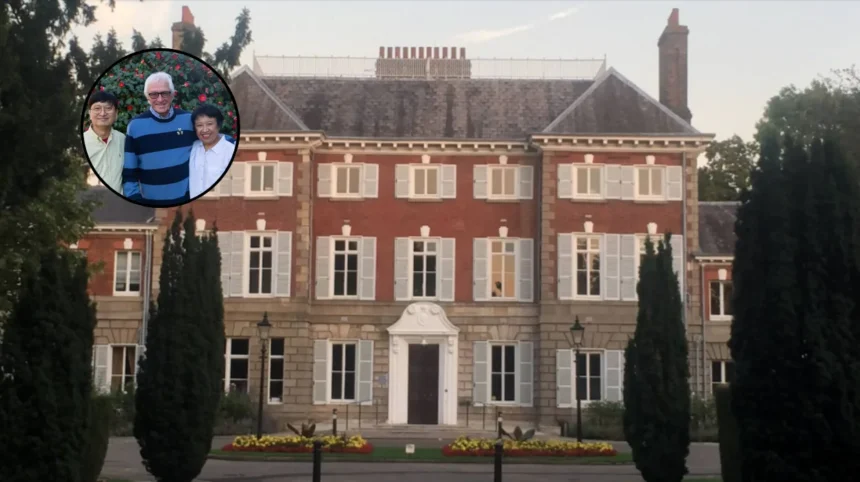
- Richmond Council has expressed “deep alarm” and criticised Westminster City Council for treating residents as an “afterthought” in the £16 million purchase of Garden Court housing block in Kew, opposite Kew Gardens.
- Private tenants at Garden Court, including long-term, elderly, and disabled residents—over 30 households—have been served Section 21 “no-fault” eviction notices by landlord Dorrington to facilitate the sale.
- Westminster City Council, Labour-run, is acquiring the 32-flat block for temporary accommodation despite current occupants.
- The council has apologised for “any upset caused” and assured two elderly residents they can remain.
- Section 21 evictions are set to be abolished from 1 May 2026 under the Renters’ Rights Act, yet Westminster benefits from them now.
- Richmond seeks urgent senior-level talks with Westminster to address resident support.
Richmond, Kew (South London News) March 24, 2026 – Richmond Council has launched a fierce critique of Westminster City Council following the revelation that tenants at Garden Court face mass eviction to enable a £16 million property deal. The Labour-led Westminster authority is buying the block opposite Kew Gardens for temporary housing, prompting accusations of sidelining vulnerable residents.
- Key Points
- Why Did Richmond Council Attack Westminster?
- What Is Happening at Garden Court?
- Who Are the Affected Residents?
- What Has Westminster City Council Said?
- How Does Richmond Plan to Respond?
- What Are Section 21 Evictions?
- Why Is This Deal Controversial?
- What Broader Housing Issues Does This Highlight?
- Timeline of Events
- Statements from Key Figures
- Potential Next Steps
Why Did Richmond Council Attack Westminster?
Richmond Council described the situation as “simply wrong,” highlighting how commercial decisions by landlord Dorrington have overridden resident welfare. As reported by the Local Democracy Reporting Service (LDRS) via MyLondon, private tenants received Section 21 notices while Westminster finalised the acquisition. Cllr Roberts of Richmond Council stated:
“We recognise that private landlords may make commercial decisions. But commercial decisions must never come at the expense of basic humanity.”
The council’s letter to Westminster expressed “deep alarm,” noting residents—some living there over 16 years—were treated as an afterthought. Richmond urged immediate senior-level discussions to clarify events and ensure support for those affected. This inter-borough clash underscores tensions over London’s housing crisis, where councils compete for properties amid rising homelessness.
What Is Happening at Garden Court?
Garden Court, a 32-flat block in Kew, houses more than 30 households, including long-term tenants, elderly individuals, and those with disabilities. Landlord Dorrington served Section 21 evictions to vacate the site for sale to Westminster. The £16 million deal, detailed in Westminster’s committee report (CMR Part A – Acquisition of Property in TW9 Temporary Accommodation), positions the block for temporary accommodation.
As exclusively revealed by LDRS reporter Freddie Woolf in MyLondon, tenants learned of evictions amid the ongoing purchase. One resident told LDRS: “We’re being evicted—council can…” (full quote truncated in sources, but indicative of distress). Westminster confirmed the process, stating it aligns with securing housing for waiting lists.
Who Are the Affected Residents?
Residents include elderly and disabled individuals, with some tenancies spanning over 16 years. Reports specify two elderly tenants have been assured they can stay, following Westminster’s intervention. MyLondon detailed how long-term occupants face upheaval, with Dorrington’s notices exploiting soon-to-end Section 21 powers.
Property118 reported:
“In Richmond, more than 30 households at Garden Court, opposite Kew Gardens, have been told to move out as landlord Dorrington prepares to sell.”
Nub.news echoed:
“Garden Court offers 32 flats, with some current residents having lived there for more than 16 years.”
No specific names were disclosed in sources to protect privacy, but the demographic—vulnerable and longstanding—amplifies the controversy.
What Has Westminster City Council Said?
A Westminster City Council spokesperson responded:
“I can confirm that Westminster City Council is in the process of acquiring Garden Court for use as temporary accommodation.”
They further apologised, saying the council has “apologised for ‘any upset caused'” and told two elderly residents they can stay.
MyLondon noted Westminster’s Labour-run status and its reliance on Section 21 amid the impending ban. The council framed the purchase as essential for its homelessness programme, with waiting lists driving the need. No further details on relocation aid for others were provided in statements.
How Does Richmond Plan to Respond?
Richmond Council demands
“immediate, senior level discussions with Westminster City Council to understand exactly what has taken place, why residents were put in this position, and what steps will now be taken to ensure they are properly supported.”
Cllr Roberts emphasised humanity over commerce.
Nub.news quoted:
“That is why we are urgently seeking immediate, senior level discussions…”
This call positions Richmond as advocate for tenants, potentially escalating to formal complaints if unmet.
What Are Section 21 Evictions?
Section 21 “no-fault” evictions allow landlords to evict without reason, but the Renters’ Rights Act abolishes them from 1 May 2026. Dorrington used them legally now, enabling Westminster’s gain. LDRS/MyLondon highlighted the irony: a Labour council benefits from a measure their government pledged to scrap.
Why Is This Deal Controversial?
The £16m price and location opposite Kew Gardens fuel debate, as Westminster imports housing needs into Richmond, evicting locals. Property118 called it a “London council housing deal triggers tenant evictions.” Richmond slammed residents as “afterthought,” per LDRS.
Committees.westminster.gov.uk documents confirm the TW9 acquisition for temporary use, ignoring occupants. Critics argue it exemplifies boroughs offloading crises onto neighbours.
What Broader Housing Issues Does This Highlight?
London’s temporary accommodation shortage drives such deals, with Westminster among those with acute needs. Elderly and disabled evictions spotlight renter vulnerabilities pre-Section 21 ban.
Richmond.nub.news noted:
“The move means after residents vacate… Westminster will use the block as temporary accommodation.”
This case may spur reviews of inter-council property buys.
Timeline of Events
- Pre-March 2026: Dorrington serves Section 21 notices; Westminster advances £16m deal.
- March 22, 2026: LDRS/MyLondon breaks story; Richmond voices alarm.
- Ongoing: Evictions loom; two elderly residents assured stays; Richmond seeks talks.
Statements from Key Figures
- Cllr Roberts (Richmond Council, via Nub.news/LDRS): “We recognise that private landlords may make commercial decisions. But commercial decisions must never come at the expense of basic humanity.”
- Westminster Spokesperson (via MyLondon): “Westminster City Council has apologised for ‘any upset caused’ and told two elderly residents they can stay at Garden Court.”
- LDRS Reporter Freddie Woolf (MyLondon exclusive): Revealed tenants’ plight opposite Kew Gardens.
Potential Next Steps
Westminster may expand relocation offers, while Richmond pushes for accountability. Tenant groups could intervene pre-evictions. The story, covered by MyLondon, Nub.news, and Property118, risks legal challenges over process.