Key Points
- Funding Window Launched: Southwark Council opened its 2027/28 neighbourhood funding application window on Monday 5 October, with submissions closing at 11.59pm on Sunday 1 November.
- Three Consolidated Streams: The initiative merges three existing programmes: Cleaner Greener Safer, the Devolved Highways Budget, and the Neighbourhoods Fund.
- Grant Allocations: Groups can apply for up to £5,000 for events and activities, up to £30,000 for public street improvements, and up to £40,000 for physical capital infrastructure projects.
- Eligibility & Support: Open to individuals, unconstituted groups, tenant associations, and charities living or working in Southwark. Free support sessions are running throughout October.
- Political Opposition: Southwark Labour raised concerns regarding the delayed launch compared to last year’s 8 September start date, citing potential disruption to local community groups.
Southwark Council (South London News) October 6, 2026 –Southwark Council officially opened the application window for its 2027/28 neighbourhood funding scheme on Monday 5 October, offering local residents, voluntary groups, and community organisations the opportunity to secure financial support for grass-roots initiatives. Applications must be submitted by 11.59pm on Sunday 1 November. The scheme is designed to fund proposals aimed at creating safer, greener, and more affordable neighbourhoods, with allocated funds scheduled for distribution in April 2027.
- Key Points
- How Can Residents Secure Up to £40,000 for Physical Street and Capital Infrastructure?
- Why Has the Timeline Delayed and What Impact Could It Have on Local Groups?
- Background of the Neighbourhood Grants Development
- Prediction: How This Development Will Affect Southwark Residents and Local Organisations
The consolidated initiative stream combines three previously separate council funding mechanisms: Cleaner Greener Safer, the Devolved Highways Budget, and the Neighbourhoods Fund. By unifying these programmes, the council has established distinct funding tiers based on project scope and physical requirements.
For short-term community activities and events, applicants can apply for grants of up to £5,000. Eligible activities include street parties, seasonal celebrations, local sports sessions, educational classes, and community art workshops. Funding under this category covers operational expenses such as venue hire, equipment purchases, workshop facilitators, volunteer out-of-pocket costs, food, and promotional materials. However, official council guidance specifies that these grants cannot be used to cover ongoing staff salaries or general administrative overheads.
How Can Residents Secure Up to £40,000 for Physical Street and Capital Infrastructure?
For physical interventions, the scheme establishes two higher-value funding tiers dedicated to public infrastructure and local facilities. Street improvement projects can apply for up to £30,000 to cover public highway alterations, such as the installation of dropped kerbs, safer pedestrian crossings, and dedicated cycle parking facilities. These works are delivered directly to public streets rather than serving as routine operational funding for individual groups.
Additionally, a capital grants stream provides up to £40,000 towards substantial construction or physical upgrade projects. Eligible projects include community gardens, wildlife habitats, urban greening and planting schemes, street lighting enhancements, security fencing, bicycle storage enclosures, children’s playgrounds, and sports ball courts.
The scheme is accessible to anyone living or working in the London Borough of Southwark. Eligible entities range from individual residents to formally constituted community groups, tenant and resident associations (TRAs), registered charities, and sports clubs, ensuring small neighbourhood groups do not require a large organizational structure to qualify.
Following the close of applications on 1 November, applicants will present their proposals directly to ward councillors during pitch meetings scheduled across January and February 2027. Formal funding decisions will take place in March 2027, ahead of the April release of funds.
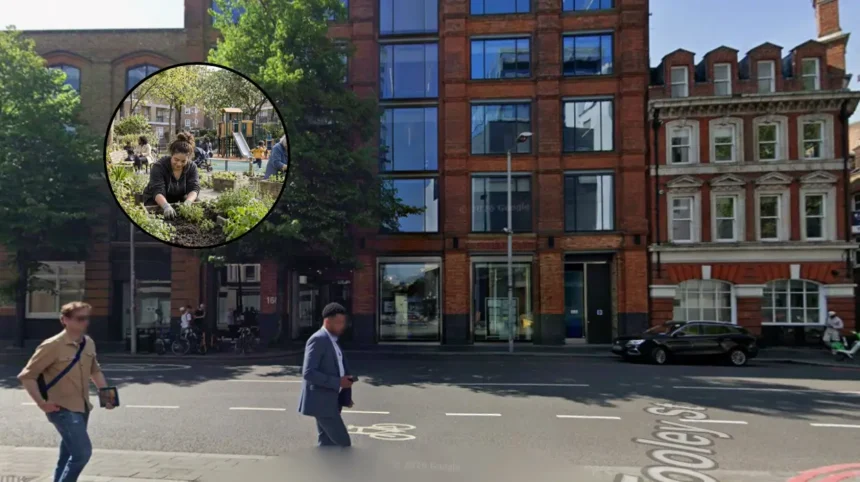
To assist applicants with the submission process, Southwark Council has scheduled three free support sessions during October. An online guidance session will take place on Thursday 8 October from 6pm to 7pm. Two in-person sessions will follow: the first at the council offices on Queen’s Road in Peckham on Monday 12 October from 2pm to 4pm, and the second at 160 Tooley Street on Thursday 15 October from 2pm to 4pm. Advance registration is required for all sessions.
Why Has the Timeline Delayed and What Impact Could It Have on Local Groups?
This year’s funding launch occurred significantly later than the previous cycle, which opened on 8 September 2025. Southwark Labour criticized the late opening, highlighting potential risks to community organizations that rely on annual council grants to sustain essential services for local residents. Labour attributed the delay to the council’s transition from its existing Neighbourhood administrative model to new Community Councils starting in 2027. While the council published its official application timetable, it did not state a reason for the shift in start dates.
Historically, the neighbourhood grant programmes have funded essential local projects across the borough, including work delivered by the Bermondsey Community Kitchen and the Millwall Community Trust. The South London Gallery also received grant support to run free culinary and visual art workshops in Peckham. Paul Crook, Head of Communities and Learning at the South London Gallery, noted that council grant funding was vital in keeping community activities accessible to local families during periods of tight financial constraints.
Background of the Neighbourhood Grants Development
Southwark Council’s neighbourhood funding framework has historically operated through separate channels: Cleaner Greener Safer (focused on environmental and public safety upgrades), the Devolved Highways Budget (targeting local traffic and street engineering), and the Neighbourhoods Fund (supporting small community activities).
Over recent years, local authorities across London have faced increasing budgetary pressures, leading many to consolidate administrative streams to streamline grant distribution and reduce overhead costs. In Southwark, the move toward a unified application window aligns with a broader structural transition away from traditional ward-level Neighbourhood structures toward centralized Community Councils planned for 2027. This governance shift aims to alter how local priorities are debated, presented, and funded across the borough’s wards.
Explore More Southwark Council News
Southwark Council Cleaners Protest Working Conditions Outside Headquarters in Southwark 2026
Southwark Council Approves Major Social Housing Policy Overhaul in Southwark 2026
Prediction: How This Development Will Affect Southwark Residents and Local Organisations
The opening of the 2027/28 application window will directly shape community support networks across Southwark over the next two years.
- For Community Organisations and Charities: The compressed application period (closing 1 November) combined with a delayed funding launch creates operational challenges for small charities and voluntary groups reliant on continuous council funding. Organizations planning ongoing activities for mid-2027 must adjust their financial planning, as grant funding will not be available until April 2027.
- For Local Residents and Grass-Roots Groups: The inclusion of smaller £5,000 grants and individual eligibility lowers the barrier to entry for unconstituted resident groups, allowing local street projects, parties, and small greening schemes to secure support without formal corporate structures.
- For Public Infrastructure and Neighbourhood Safety: The £30,000 street improvement and £40,000 capital streams will enable physical enhancements across Southwark’s public spaces, leading to upgraded play areas, enhanced street lighting, and expanded cycle storage by late 2027.