Key Points
- Lewisham Council has launched a new community microgrant scheme offering between £200 and £1,000 to tackle local fly-tipping and waste issues.
- The funding is intended for community clean-ups, neighbourhood greening, equipment, public artwork, and practical interventions addressing recurring local neglect.
- Individual residents can apply for smaller grants, while larger funding tiers are reserved for broader community projects.
- Applications opened for the scheme with an official submission deadline set for 27 November.
- Lewisham recorded 33,471 fly-tipping incidents in last year’s DEFRA report—the third highest in the UK—with recent local figures citing up to 43,000 annual reports costing over £1 million to clear.
- Successful applicants will be notified around early 2027, with all funded initiatives scheduled for completion by the end of May 2027.
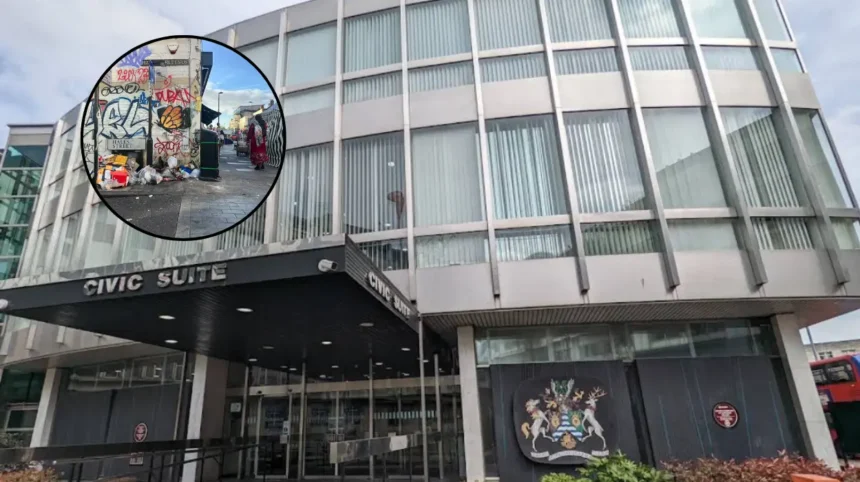
Lewisham (South London News) October 6, 2026 – Lewisham Council has officially launched a borough-wide microgrant programme offering local residents and community groups financial backing of between £200 and £1,000 to directly tackle fly-tipping and environmental degradation. The funding initiative, which accepts applications until 27 November, has been introduced as part of a wider effort by local authorities to curb severe waste disposal challenges that have consistently placed the South London borough amongst the worst-affected areas in the United Kingdom.
- Key Points
- What Are the Full Details of the Microgrant Scheme and Its Deadlines?
- How Severe Is the Fly-Tipping Problem in Lewisham?
- What Have Local Officials Said About the Environmental Strategy?
- Background of the Particular Development
- Prediction: How This Development Can Affect Lewisham Residents and Local Communities
According to official council guidance, the microgrants are designed to fund practical, grassroots projects aimed at restoring neglected spaces and reducing illegally dumped waste. Local officials have stated that the available funds can be allocated towards organizing community clean-up events, implementing small neighbourhood greening projects, purchasing shared maintenance equipment, creating public community artwork, and delivering targeted practical solutions to address persistent localized dumping hotspots.
The financial framework of the scheme is structured dynamically to accommodate varying scales of local engagement. Smaller grant allocations are specifically reserved for individual residents taking localized initiative, whereas the maximum grant threshold of £1,000 is earmarked for larger, organized community-led projects designed to deliver broader public benefits.
What Are the Full Details of the Microgrant Scheme and Its Deadlines?
The application window for the environmental microgrants remains open until 27 November, giving community organizers and residents several weeks to draft proposals. Council administrators specified that the evaluation process will conclude near the start of the new year, at which point successful applicants will be formally notified of their funding awards.
Projects selected under the scheme will be subject to a fixed implementation schedule. All approved community interventions, artwork installations, and clean-up drives are required to complete their project delivery by the end of May 2027. The council visualises these microgrants as a mechanism to encourage civic ownership while complementing ongoing municipal operational improvements across the borough.
How Severe Is the Fly-Tipping Problem in Lewisham?
The launch of the initiative comes amidst growing public frustration over illegal waste disposal across the borough’s public streets and green spaces. Figures published in the annual Department for Environment, Food & Rural Affairs (DEFRA) report revealed that Lewisham recorded 33,471 individual incidents of fly-tipping within a single reporting year. This total positioned Lewisham as the third-highest borough for fly-tipping incidents across the entire nation, trailing only the London Borough of Croydon, which recorded 53,268 incidents, and the London Borough of Camden, which documented 36,216 incidents.
More recent data released directly by Lewisham Council indicates that the severity of the issue has continued to escalate. Local authority figures cite approximately 43,000 annual reports of illegally dumped waste across the borough. Managing, clearing, and investigating these waste incidents now imposes an annual financial burden exceeding £1 million on municipal resources.
What Have Local Officials Said About the Environmental Strategy?
Addressing the extent of public dissatisfaction regarding street cleanliness, Green Party Councillor Corin Ashwell, the Cabinet Member for Environment, Nature, Transport and Climate Action, emphasised the local authority’s commitment to addressing resident concerns. Councillor Ashwell stated that people were fed up with seeing rubbish dumped on their streets, noting that residents were entirely right to feel that way because the situation was unfair and simply not good enough.
Focusing on the operational strategy behind the new grant scheme and wider municipal efforts, Councillor Ashwell described the clean-up of the borough as a shared responsibility. Councillor Ashwell explained that the programme was fundamentally about getting the basic services right, highlighting that the council was actively listening to residents while utilizing data and analytical insight to direct funding and municipal resources toward the areas requiring the most urgent support.
Furthermore, Councillor Ashwell detailed broader operational measures being deployed alongside the microgrant funding, noting that the council was hiring new waste collection crews to enable faster removal so rubbish was not left sitting on streets. Councillor Ashwell added that the local authority was making sure to target persistent hotspots identified directly by residents, alongside exploring structural service changes to achieve long-term improvements in street cleanliness.
Background of the Particular Development
Fly-tipping has long represented a critical municipal challenge across Inner and Outer London boroughs, driven by high population density, transient populations, and the high cost of commercial waste disposal. In Lewisham, the accumulation of illegally discarded furniture, construction materials, and household rubbish on pavements and alleyways has consistently drawn criticism from community action groups and environmental campaigners.
Over recent years, central government reporting through DEFRA has consistently listed several London boroughs among the top statutory areas nationwide for environmental waste offences. In response, municipal authorities have historically relied upon punitive enforcement measures, including fixed penalty notices, closed-circuit television monitoring in known hotspots, and dedicated clearance teams. However, the sustained volume of reported cases—reaching over 43,000 incidents annually within Lewisham—has severely strained council budgets, necessitating over £1 million in yearly operational expenditure dedicated solely to waste recovery and remediation.
The introduction of the microgrant scheme represents a strategic shift toward preventive, community-led intervention. By pairing traditional municipal enforcement and expanded collection crews with direct micro-funding for civic-led greening, public art, and physical site transformations, local authorities are attempting to alter the physical and social dynamics of persistent dumping sites across the borough.
Explore More Lewisham Council News
Why Lewisham Council Refused 548 Deptford Bridge Homes Deptford 2026
Lewisham Council Rejects RER 802 Home Development Deptford Creek 2026
Prediction: How This Development Can Affect Lewisham Residents and Local Communities
The implementation of the microgrant scheme and expanded waste clearance services is expected to bring direct, multi-faceted changes to residents, local businesses, and community organizations across Lewisham.
- Impact on Local Residents: Residents in high-density dumping zones are likely to see localized improvements in street cleanliness and physical environmental quality. The availability of £200 to £1,000 grants provides direct access to resources for individuals who previously lacked funding to undertake local improvements, such as installing planter boxes, bollards, or localized security lighting. Furthermore, faster response times from newly hired council collection crews could reduce the duration that discarded waste remains on public footpaths, directly improving hygiene, accessibility, and neighbourhood pride.
- Impact on Community Groups and Local Organisations: For organized resident associations, community gardens, and neighbourhood watches, the initiative offers an accessible revenue stream to execute practical public domain projects without navigating complex, highly competitive grant applications. By requiring project delivery by May 2027, the funding structure will likely stimulate a wave of localized civic projects, fostering stronger social cohesion and collective responsibility across participating wards.
- Impact on Municipal Finances and Taxpayers: If the community-led interventions successfully deter illegal dumping in persistent hotspots, Lewisham Council could see a gradual reduction in the £1 million annual expenditure currently required for reactive waste clearance. A sustained drop in fly-tipping cases would allow the local authority to reallocate public funds towards long-term environmental projects, park maintenance, and local infrastructure, providing broader financial and environmental benefits to all taxpayers across the borough.