Lambeth is a London borough on the south bank of the River Thames. It combines major visitor attractions, historic sites, cultural venues, residential neighbourhoods, parks, markets and riverside spaces. Its northern areas sit close to central London, while Brixton, Clapham, Kennington, Vauxhall and Streatham provide distinct South London environments.
- What is Lambeth and where is it in London?
- What should you know about Lambeth’s history before visiting?
- Which parts of Lambeth should a first-time visitor explore?
- How easy is Lambeth to reach by public transport?
- Which Lambeth attractions should you see on a first visit?
- What free things can you do in Lambeth?
- What should you know about food and markets in Lambeth?
- Is Lambeth suitable for families and visitors with accessibility needs?
- When is the best time to visit Lambeth?
- How much time should you spend in Lambeth?
- What practical tips should first-time visitors know before visiting Lambeth?
For a first visit, Lambeth is best understood as a collection of connected neighbourhoods rather than one single tourist district. South Bank focuses on major attractions and culture. Vauxhall combines transport connections, riverside locations and nightlife. Kennington has historic buildings and green space. Brixton is recognised for its markets, music, food and strong Caribbean and Black British heritage. Clapham provides access to Clapham Common, restaurants and local leisure facilities.
Lambeth had a population of approximately 317,600 at the 2021 Census. The Office for National Statistics recorded a 4.8% population increase between 2011 and 2021. The borough was also among London’s most densely populated local authority areas in 2021.
This density contributes to Lambeth’s varied urban character. A visitor can move from a major cultural attraction to a historic palace, public park, market or residential high street within the same day.
What is Lambeth and where is it in London?
Lambeth is a densely populated South London borough extending along the River Thames and inland towards Brixton, Clapham and Streatham. It sits opposite central London and provides direct access to major attractions, transport hubs and neighbourhoods.
The London Borough of Lambeth occupies a strategically important position south of the River Thames. Its northern boundary reaches the river opposite Westminster and the City of London. Its territory extends south through Kennington, Brixton, Clapham, Herne Hill and Streatham.
The borough includes several well-known visitor areas. South Bank is the most concentrated tourist district. Brixton provides markets, food and music. Clapham is associated with its large common and surrounding streets. Vauxhall provides a major transport interchange and riverside setting.
Lambeth should not be confused with Lambeth Palace alone. Lambeth Palace is a historic complex within the borough and has been the residence of the Archbishops of Canterbury since 1197. Historic England records the palace as a Grade I listed building and identifies medieval elements within the complex.
The borough therefore combines administrative Lambeth with several distinct neighbourhood identities. Planning a first visit by neighbourhood makes distances and travel times easier to understand.
What should you know about Lambeth’s history before visiting?
Lambeth developed from a medieval riverside settlement into a major inner-London borough shaped by the Church, transport, industry, housing, markets and cultural migration. Its surviving landmarks include Lambeth Palace, historic churches, old streets, parks and protected buildings.
The history of Lambeth is closely connected to the River Thames and the Archbishop of Canterbury. The archbishops first occupied the Lambeth Palace site in 1197. The location was strategically useful because it stood close to the Palace of Westminster on the opposite side of the river.
Lambeth Palace contains buildings from several periods. Historic England identifies the Lollard’s Tower from 1435, Morton’s Gatehouse from around 1490, a medieval chapel and crypt, and the Great Hall built between 1660 and 1663. The complex therefore provides a concentrated example of Lambeth’s long architectural history.
The river also shaped movement between Lambeth and Westminster. Historic England records a historic horse ferry connecting the two sides of the Thames. The relationship between river crossings, roads and later railways helped transform Lambeth from a semi-rural riverside area into an urban district.
As you explore the modern borough, you are crossing land with a deep heritage. Read about the full [Insert Anchor Text for History Article Here] to understand its origins.
Later development brought dense housing, industry, railways and major public institutions. The expansion of London absorbed former villages and open land. Railway connections accelerated urban growth, while new streets and housing accommodated a rapidly increasing population.
Today, the historic layers remain visible beside modern buildings. A first-time visitor benefits from recognising this contrast rather than treating Lambeth as a single modern district.
Which parts of Lambeth should a first-time visitor explore?
First-time visitors should understand Lambeth through its main neighbourhoods, including South Bank, Vauxhall, Kennington, Brixton, Clapham, Herne Hill and Streatham. Each area has different attractions, transport links, food options, green spaces and visitor experiences.
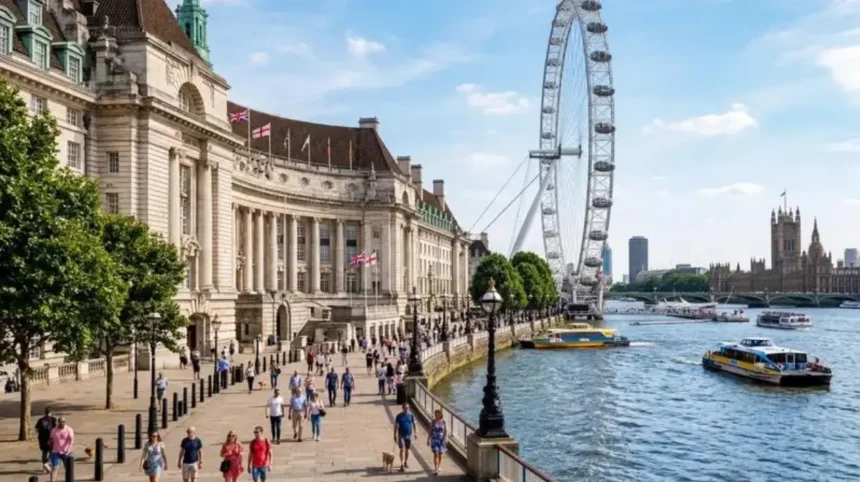
South Bank is the principal tourist area. It runs along the Thames and contains attractions such as the London Eye, Southbank Centre, National Theatre, BFI Southbank and SEA LIFE London Aquarium. The riverside promenade also provides direct views towards Westminster and central London.
Vauxhall is important for transport and riverside access. It connects Lambeth with central London through Underground, railway and bus services. Vauxhall Pleasure Gardens also provide a historic green-space connection within the area.
Kennington is more residential but has significant historical and architectural interest. Kennington Park provides open space, while nearby streets contain historic buildings and civic landmarks.
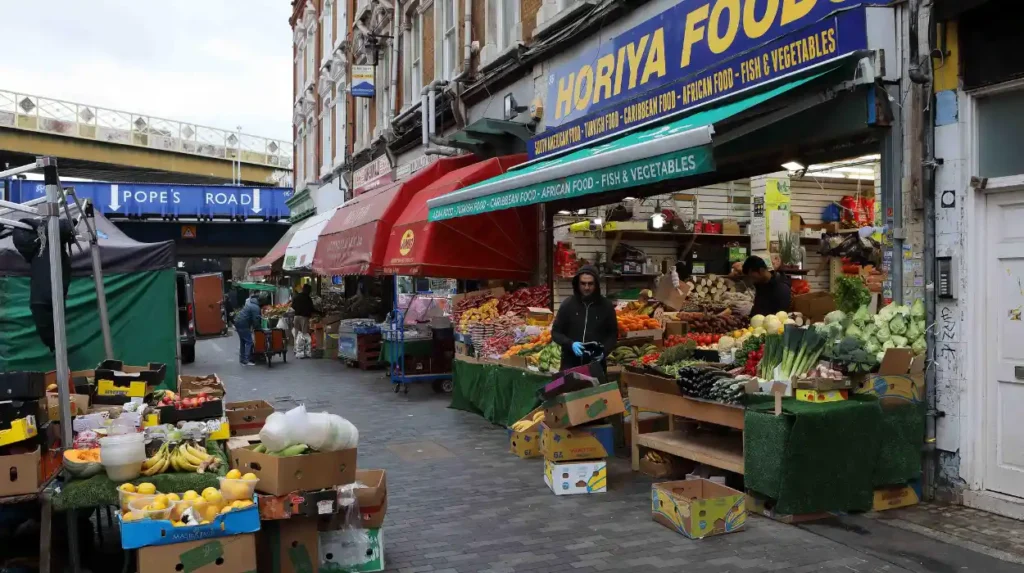
Brixton has a distinctive cultural identity. Visit London’s area guide identifies its Caribbean connections, markets, restaurants, music venues and Black British heritage. Brixton Village, Market Row, Windrush Square, the Black Cultural Archives and music venues form major visitor points.
Clapham centres on Clapham Common and its surrounding neighbourhood. The common provides a large open space for walking, recreation and relaxation. Restaurants, cafés and pubs surround the wider district.
Herne Hill provides a quieter neighbourhood experience and direct access to Brockwell Park. Streatham extends farther south and combines high-street activity with green spaces and local cultural venues.
How easy is Lambeth to reach by public transport?
Lambeth has extensive Underground, railway, bus, walking and cycling connections. Waterloo, Vauxhall, Brixton, Kennington and other stations provide access to central London and South London, while buses connect neighbourhoods that are not directly served by the Tube.
Transport is one of Lambeth’s strongest practical advantages. Lambeth Council states that the borough has Underground, bus and train links and directs visitors towards Transport for London’s journey-planning and accessibility services.
Waterloo is particularly important for visitors exploring South Bank. Waterloo Underground Station serves the Bakerloo, Jubilee, Northern and Waterloo & City lines. National Rail services also make Waterloo a major arrival point for visitors travelling from other parts of England.
Vauxhall provides another major transport interchange. Its Underground station is on the Victoria line, while Vauxhall railway station provides National Rail services.
Brixton Underground Station is also on the Victoria line. Visit London states that Brixton is seven minutes from Victoria by Tube, with four stops between the stations.
Buses are particularly useful when moving between neighbourhoods. They provide direct routes across areas where rail connections require changes.
Walking is practical for several northern Lambeth journeys. South Bank is particularly suited to walking because its riverside promenade connects major cultural attractions across a relatively compact area. Visit London describes the main riverside route as wide, flat and pedestrian-friendly.
Visitors should still check live TfL information before travelling because engineering works, events and temporary disruptions affect London transport.
Which Lambeth attractions should you see on a first visit?
A first Lambeth visit should focus on a manageable group of attractions rather than attempting the whole borough. Key choices include the London Eye, Southbank Centre, National Theatre, Lambeth Palace, Brixton Village, Clapham Common and major riverside viewpoints.
South Bank offers the highest concentration of internationally recognised attractions. The London Eye provides elevated views across London. SEA LIFE London Aquarium provides a family-oriented indoor attraction. The London Dungeon focuses on historical entertainment. The National Theatre and Southbank Centre provide theatre, music, exhibitions and cultural events.
The Southbank Centre is particularly useful for visitors seeking cultural activities without committing to a single ticketed attraction. The complex includes Royal Festival Hall, Queen Elizabeth Hall, Purcell Room, Hayward Gallery and the National Poetry Library. The centre states that more than half of its events are completely free, although individual events and exhibitions have their own arrangements.
Lambeth Palace provides a different type of experience. It is the official London residence of the Archbishop of Canterbury and contains centuries of ecclesiastical history. Access is controlled, so visitors should check opening arrangements before making it a fixed part of an itinerary.
Brixton offers a more neighbourhood-focused experience. Brixton Village and Market Row provide food and independent businesses. The Black Cultural Archives focuses on Black British history. The Ritzy provides an independent cinema experience, while Brixton’s music venues support the area’s established live-music identity.
Clapham Common is suitable for visitors who want open space after spending time among central London’s buildings and attractions.
What free things can you do in Lambeth?
Lambeth has many free visitor activities, including riverside walks, public parks, neighbourhood exploration, public art, selected cultural events and outdoor viewpoints. The South Bank promenade and Lambeth’s parks provide particularly accessible options for visitors managing a limited budget.
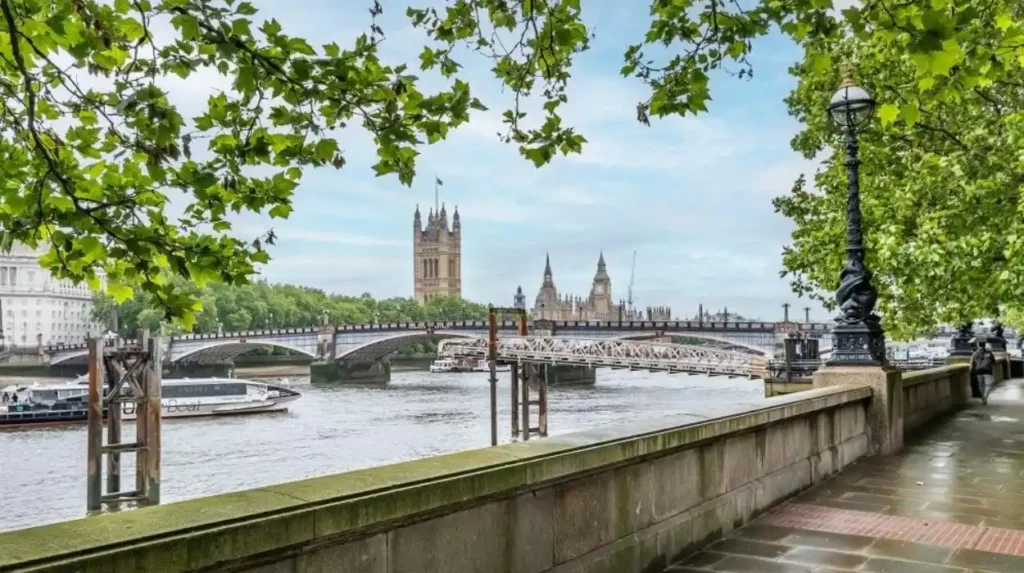
The South Bank riverside is one of the strongest free visitor experiences. Walking between Lambeth Bridge and Blackfriars Bridge provides views of the Thames, Westminster, the London Eye and central London architecture. The route also passes cultural venues and public spaces.
The Southbank Centre is another useful free option. Entry to the centre itself is free, and the organisation states that more than 50% of its events are free. Ticketed concerts, exhibitions and performances operate separately.
Lambeth Council manages more than 78 parks, commons and other public open spaces. Its parks include facilities such as wildlife areas, nature conservation areas, flower gardens, ponds, children’s play areas, tennis courts and picnic spaces.
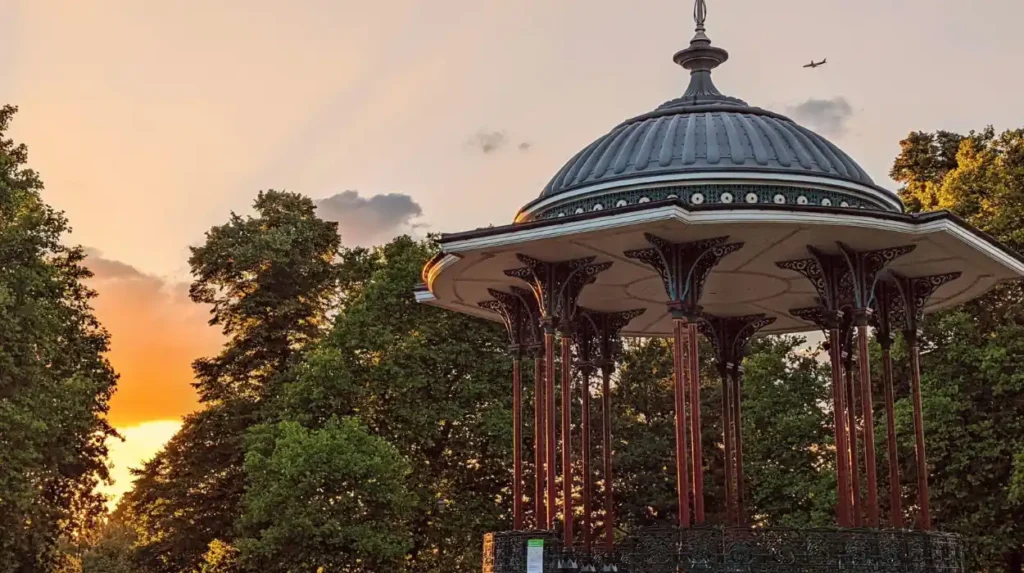
Brockwell Park and Clapham Common are useful for visitors seeking substantial green space. Kennington Park and Archbishop’s Park provide additional options closer to central Lambeth.
Neighbourhood walking is also free. Brixton’s streets, markets and public squares provide opportunities to understand the area’s architecture, food culture and social history without purchasing an attraction ticket.
Free activities are particularly valuable when combined with one paid attraction. A visitor can therefore control spending without reducing the variety of a day in Lambeth.
What should you know about food and markets in Lambeth?
Lambeth has a diverse food scene shaped by international communities, independent businesses, markets and established neighbourhood restaurants. Brixton is especially important for Caribbean, African, European and international food, while South Bank provides restaurants beside major attractions.
Brixton is one of Lambeth’s most significant food destinations. Brixton Village and Market Row contain food businesses representing different cuisines and culinary traditions. Visit London identifies Brixton as a major destination for global food as well as music and culture.
South Bank provides a different dining environment. Restaurants, cafés, food stalls and markets operate around the major visitor attractions. The Southbank Centre Food Market adds an international street-food option within the cultural district.
Visitors should distinguish between a food market, a restaurant district and a single food venue. Opening hours, menus and availability vary between businesses.
For a first visit, food planning works best when linked to geography. Eating near South Bank reduces unnecessary travel during a sightseeing day. Eating in Brixton provides an opportunity to explore the neighbourhood beyond its principal attractions.
Visitors with dietary requirements should check individual venue information before travelling. London provides extensive vegetarian, vegan, halal and international food options, but individual menus and preparation practices differ.
Is Lambeth suitable for families and visitors with accessibility needs?
Lambeth works well for families and visitors with different mobility needs because it combines step-free public spaces, parks, cultural venues and extensive transport options. Accessibility varies by venue and station, so visitors should check current arrangements before travelling.
South Bank is particularly practical for families because major attractions, restaurants and pedestrian areas sit close together. The riverside route is broadly flat and provides access to several major attractions within walking distance.
Families can combine an attraction with outdoor time. Jubilee Gardens and other riverside spaces provide opportunities to pause between visits. Lambeth’s wider parks provide play areas and open space.
Accessibility requires more detailed planning. Lambeth Council directs visitors towards TfL journey-planning resources for accessible travel. Its guidance covers public transport, door-to-door options and disabled parking.
The Southbank Centre also provides accessibility information for its venues and events. Individual attractions have separate access policies.
Visitors using wheelchairs or travelling with mobility limitations should check the complete journey rather than only the destination. A station can have different accessibility characteristics from the next station on the route.
Families with young children should also consider walking distances. A map can make South Bank attractions appear close, but queues, crowds and pauses increase the time required between activities.
When is the best time to visit Lambeth?
Lambeth can be visited throughout the year, but the best timing depends on the planned activities. Spring and summer suit parks and riverside walks, while autumn and winter favour museums, theatres, cinemas, indoor attractions and cultural venues.
Spring provides longer daylight and improving conditions for parks and riverside walks. Summer provides the longest daylight hours and supports outdoor events, markets and public spaces.
Autumn creates stronger demand for indoor cultural activities. The Southbank Centre, National Theatre, BFI Southbank and other venues provide alternatives when outdoor conditions are unsuitable.
Winter remains practical for a first visit because South Bank’s major attractions operate alongside theatres, galleries, restaurants and indoor entertainment.
Day of the week also affects the experience. Popular attractions become busier during weekends and school holidays. Major events can increase visitor numbers and transport demand.
Advance planning is important for timed attractions and theatre performances. Visitors should check official venue schedules before travelling because opening hours and event programmes change.
For photographers and visitors interested in architecture, early mornings provide quieter streets. Evening visits provide a different atmosphere around South Bank, Brixton and Vauxhall, but visitors should plan their return journey in advance.
Explore More Area Guide
Best Leisure Experiences Near Lambeth Palace in London
Independent Entertainment in Lambeth: Best Local Venues
How much time should you spend in Lambeth?
A first visit needs at least one full day to cover a focused area, while two days allow visitors to combine South Bank with Brixton, Clapham or other neighbourhoods. Longer stays suit travellers exploring Lambeth beyond its principal tourist attractions.
One day works best when the itinerary remains geographically focused. A South Bank day can combine the riverside, London Eye, Southbank Centre, National Theatre area and nearby cultural attractions.
A second day allows visitors to explore Brixton or Clapham without rushing. Brixton requires time for markets, food, heritage sites and music-related locations. Clapham provides a slower outdoor experience around Clapham Common.
Visitors staying longer in London can distribute Lambeth attractions across several days. This reduces travel between the northern riverside district and southern neighbourhoods.
Digital nomads and business travellers can also use Lambeth for shorter downtime periods. South Bank offers cafés, cultural venues and transport connections near central London. Brixton provides independent cafés and neighbourhood businesses alongside major transport links.
The key planning principle is geographical grouping. Combining South Bank and Streatham in a short morning creates unnecessary travel. Combining nearby attractions produces more time for the places themselves.
What practical tips should first-time visitors know before visiting Lambeth?
First-time visitors should plan by neighbourhood, check transport and attraction information, use contactless payment or an appropriate TfL travel product, reserve timed attractions where required, wear comfortable footwear and allow extra time for busy periods.
London’s public transport system uses contactless payment and Oyster products across relevant services. TfL states that Oyster cards are tapped on yellow readers, with Tube and rail journeys generally requiring a tap in and out and buses requiring a tap when boarding.
Visitors should keep the same payment method throughout a journey where appropriate. Mixing cards or devices can create separate travel records.
Comfortable footwear is important because Lambeth is highly walkable in some districts. South Bank attractions are connected by pedestrian routes, while neighbourhood exploration involves pavements, crossings and high streets.
Check attraction opening times before travelling. This is particularly important for historic properties and scheduled cultural events.
Keep valuables secure in crowded public areas. London is a major international city, and busy transport hubs, markets and tourist attractions require normal urban travel precautions.
Plan the return journey after evening events. Check the final available services and alternative routes, particularly when attending concerts, theatre performances or nightlife venues.
Weather also affects the experience. Carrying suitable clothing supports flexible plans because parks and riverside routes form an important part of Lambeth’s visitor experience.
Lambeth rewards visitors who treat it as a collection of connected places. South Bank provides major London landmarks and cultural institutions. Brixton provides food, markets, music and heritage. Clapham and other southern districts provide parks and neighbourhood experiences.
Understanding this structure before arrival makes the borough easier to navigate and reduces unnecessary travel. It also allows first-time visitors to combine major attractions with less formal experiences such as riverside walks, public parks and local high streets.
Lambeth’s historic importance remains visible alongside its modern identity. Lambeth Palace represents more than eight centuries of ecclesiastical history, while the borough’s parks, markets, cultural venues and transport infrastructure reflect its continuing role within London.
For a first visit, the most effective approach is simple: choose the neighbourhoods that match your interests, group nearby attractions together, check official information before travelling and leave enough time to experience Lambeth beyond its headline attractions.
What is Lambeth best known for?
Lambeth is best known for South Bank, the London Eye, Lambeth Palace, Brixton, Clapham Common, the Southbank Centre and its riverside location opposite central London.