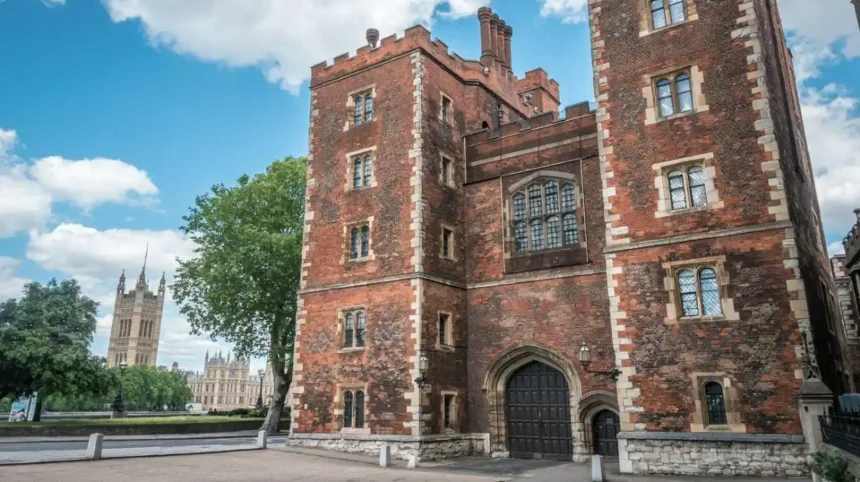
Lambeth Palace occupies a prominent position on the South Bank of the River Thames between Lambeth Bridge and Westminster Bridge. It is the London home and office of the Archbishop of Canterbury, the senior bishop and principal leader of the Church of England. The Palace also hosts worship, hospitality, meetings and events.
- What can visitors experience immediately around Lambeth Palace?
- Why is the Garden Museum one of the best leisure attractions near Lambeth Palace?
- How can visitors enjoy outdoor leisure at Archbishop’s Park?
- Where can visitors enjoy the best riverside leisure near Lambeth Palace?
- Which major London attractions can visitors reach from Lambeth Palace?
- What historical experiences should visitors include near Lambeth Palace?
- How can families enjoy leisure near Lambeth Palace?
- What leisure experiences suit digital nomads and business travellers near Lambeth Palace?
- What is a good one-day leisure itinerary from Lambeth Palace?
- Why is the Lambeth Palace area important for London’s wider leisure offer?
Its location makes it a strong starting point for a leisure day in central London. Visitors can combine heritage, gardens, museums, riverside walking, art, sport, architecture and panoramic sightseeing without travelling far. The surrounding area connects Lambeth with Waterloo, Westminster, South Bank, Vauxhall and Millbank.
The best leisure experiences near Lambeth Palace therefore extend beyond the Palace itself. The surrounding neighbourhood contains historic buildings, public green spaces, cultural institutions and major London landmarks. Several attractions are within a short walk, while others sit along straightforward riverside or South Bank routes.
What can visitors experience immediately around Lambeth Palace?
Visitors can combine Lambeth Palace with the Garden Museum, Archbishop’s Park, St Mary’s Gardens and the River Thames within a compact local area. These experiences provide heritage, gardens, recreation, public space, photography opportunities and riverside walking without requiring extensive travel.
Lambeth Palace provides the historical anchor for the area. Its present site has been associated with the Archbishops of Canterbury since around 1200. The surviving medieval elements include the chapel and Lollards’ Tower, while Morton’s Tower dates from the late 15th century.
Public access to the Palace itself depends on its visitor programme and scheduled events. It is not simply an unrestricted public attraction. Visitors should therefore distinguish between exploring the surrounding public spaces and entering Palace buildings or gardens.
The Garden Museum stands immediately beside Lambeth Palace. It occupies the former St Mary-at-Lambeth Church and focuses on the art, history and design of gardens. The museum describes itself as Britain’s only museum dedicated to this subject.
St Mary’s Gardens provides another nearby outdoor space. Lambeth Council describes it as a small public garden adjacent to Lambeth Palace, the Garden Museum, Archbishop’s Park and St Thomas’s Hospital. It includes seating, planting and a central water fountain and is open to the public 24 hours a day.
Archbishop’s Park offers a larger recreational setting. The park occupies land that was formerly part of Lambeth Palace. It became a public park in 1901 after parts of the Palace grounds had previously been made available for recreation.
These locations create an easy first section of a Lambeth leisure itinerary. Visitors can begin with heritage, continue into gardening and architecture, then move outdoors for recreation or relaxation.
Why is the Garden Museum one of the best leisure attractions near Lambeth Palace?
The Garden Museum is one of the strongest nearby cultural experiences because it combines a medieval church, British gardening history, exhibitions, gardens, archives, learning programmes and a café directly beside Lambeth Palace on Lambeth Palace Road.
The Garden Museum occupies St Mary-at-Lambeth, a historic church whose origins reach back to the medieval period. The site was associated with the Archbishops of Canterbury and Lambeth Palace, creating a direct physical connection between religious history and gardening heritage.
The museum was founded in 1977 after Rosemary and John Nicholson worked to save the abandoned church from demolition. Their conservation campaign transformed the building into the Museum of Garden History, which later became the Garden Museum.
One of the site’s most important historical associations is John Tradescant the Elder, a 17th-century gardener and plant collector. His tomb stands in the former churchyard. The museum uses his legacy to explain the development of British gardening and plant collecting.
The museum’s collection covers art and objects connected with gardening. Its exhibitions explore subjects including gardens, architecture, plant science, food, sustainability and wellbeing. Its Archive of Garden Design preserves working records from leading British garden designers.
The building also contains a medieval tower. The tower was built in 1377 and repaired in the 19th century. It has 131 steps and provides views towards the River Thames and Westminster when open. The museum currently states that the tower is closed for maintenance and is expected to welcome visitors again later in 2026.
The Garden Museum also provides a courtyard garden and community garden. Its Garden Café adds a food and rest component to the cultural visit. The combination makes the museum particularly suitable for visitors who want an experience that combines indoor and outdoor leisure.
Opening arrangements should be checked before travelling because hours vary by day and special events can affect access. The museum currently lists weekday and weekend opening arrangements and recommends checking its visit information before planning a trip.
How can visitors enjoy outdoor leisure at Archbishop’s Park?
Archbishop’s Park provides one of the most accessible outdoor leisure experiences near Lambeth Palace, with lawns, mature trees, wildlife habitats, a playground, community gardening, sports facilities, public art and open space for walking and relaxation.
The park has a direct historical connection with Lambeth Palace. In the 19th century, land associated with the Palace was opened for local recreation. A campaign for permanent public access followed, and Archbishop’s Park formally opened in 1901.
Today, the park serves both visitors and local residents. It contains a large children’s playground, making it useful for family leisure. Its mature trees, planted areas and wildlife habitats also provide a change of environment from the surrounding central London streets.
Sport is another major feature. Lambeth Council lists two public tennis courts, artificial grass pitches, cricket nets and a floodlit multi-use games area. The multi-use area supports activities including tennis, netball and basketball. Outdoor table tennis is also available free of charge, although players need to bring their own equipment.
The park’s sports facilities provide a practical option for active visitors. They also demonstrate that leisure near Lambeth Palace is not limited to sightseeing and museums.
Opening hours are seasonal. Lambeth Council states that the park normally opens from 7.30am until 15 minutes before sunset. Sports facility hours operate separately and should be checked before planning a specific activity.
The park is also recognised as a Site of Importance for Nature Conservation, or SINC. This designation recognises the value of the site for wildlife and public access to nature.
For visitors spending several hours around Lambeth Palace, Archbishop’s Park provides a useful outdoor break between cultural attractions.
Where can visitors enjoy the best riverside leisure near Lambeth Palace?
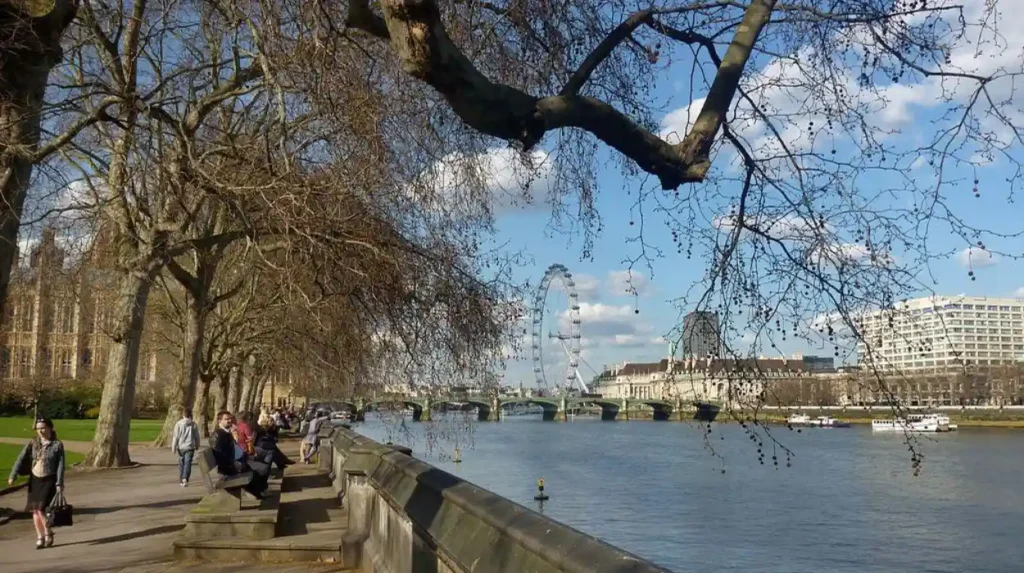
The River Thames provides a continuous leisure route from Lambeth Palace towards Westminster, South Bank and Vauxhall, giving visitors opportunities for walking, photography, architecture, river views and connections to major London landmarks along the South Bank.
Lambeth Palace stands on the South Bank between Westminster Bridge and Lambeth Bridge. This position places visitors directly within one of central London’s most significant riverside corridors.
A riverside walk provides a simple way to connect several attractions without relying on public transport. Visitors can head north towards Westminster Bridge or south towards Lambeth Bridge and Vauxhall.
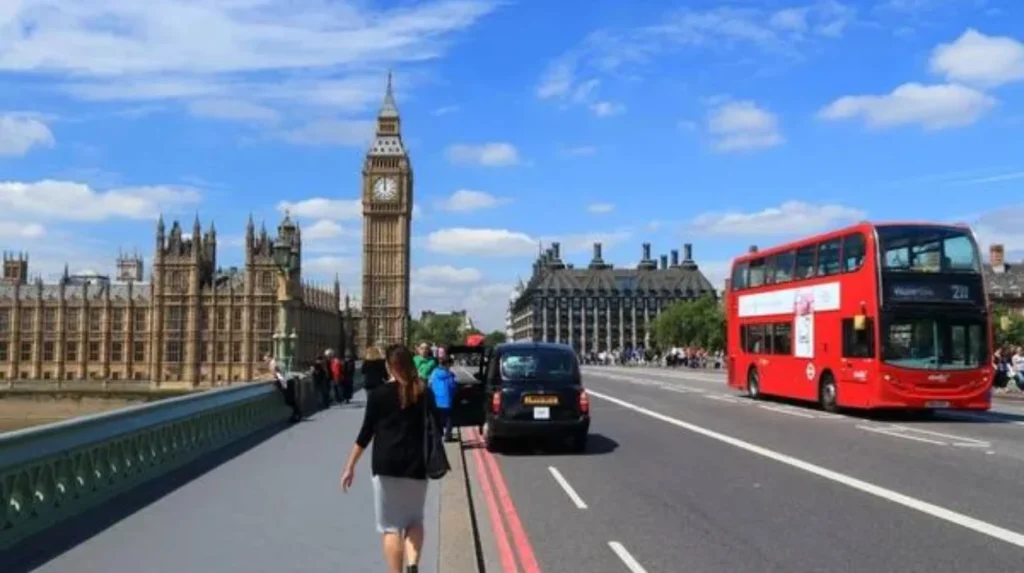
Westminster Bridge is particularly significant for sightseeing. The current bridge opened in 1862 and connects Westminster with the South Bank. It provides views towards Big Ben, the Houses of Parliament, the London Eye and the Thames.
The riverside also provides strong photography opportunities. Views change according to the direction of travel, weather and daylight. Historic buildings, bridges, river traffic and modern cultural buildings create a dense architectural environment.
Walking beside the Thames also gives visitors a low-cost leisure option. There is no ticket requirement for using the public riverside route. This makes the Thames particularly useful for travellers managing a limited attraction budget.
The route works well as part of a broader South Bank itinerary. A visitor can begin at Lambeth Palace, continue past Westminster Bridge and the London Eye, then proceed towards the cultural venues around South Bank.
The riverside is also useful for visitors with limited time. A short walk provides immediate access to central London views without requiring a full museum visit.
For longer walks, visitors can continue beyond the immediate Palace area. The Thames creates a continuous connection between several central London districts, making it one of the most practical leisure corridors near Lambeth Palace.
Which major London attractions can visitors reach from Lambeth Palace?
Visitors can reach Westminster Bridge, the London Eye, South Bank, Waterloo, Tate Britain and Imperial War Museum London from Lambeth Palace through walkable or straightforward routes, creating a flexible sightseeing area that combines culture, history, entertainment and city views.
The London Eye is one of the most recognisable attractions on the South Bank. It stands beside Westminster Bridge and provides panoramic views from enclosed observation capsules. A complete rotation takes approximately 30 minutes, although the total visit time includes queueing and boarding.
The attraction is particularly relevant for visitors who want a high-level view of central London. From the wheel, landmarks along the Thames and the wider London skyline become part of one panoramic experience.
Westminster Bridge provides a different type of sightseeing. It is a free public crossing with direct views of the Palace of Westminster and Big Ben. It also connects the South Bank with Westminster, making it useful as both an attraction and a transport route.
Tate Britain is another important cultural destination within the wider Lambeth and Westminster area. The gallery is located at Millbank and is associated with British art. Its collection and exhibitions provide an alternative to the historical and religious focus around Lambeth Palace.
Imperial War Museum London is another substantial cultural attraction. It is located on Lambeth Road and focuses on conflict and its impact on people and society. The museum is accessible from Lambeth North, Elephant & Castle and Waterloo. Its access guide gives approximate walking times of seven minutes from Lambeth North, ten minutes from Elephant & Castle and 14 minutes from Waterloo.
These attractions demonstrate the geographic advantage of Lambeth Palace. Visitors can build an itinerary around one central location rather than travelling repeatedly across London.
What historical experiences should visitors include near Lambeth Palace?
Historical leisure around Lambeth Palace includes medieval architecture, the former St Mary-at-Lambeth Church, Archbishop’s Park, Westminster Bridge and the long association between Lambeth and the Archbishops of Canterbury, creating a concentrated heritage landscape beside the Thames.
Lambeth Palace has occupied its present site since approximately 1200. The Palace has undergone repeated rebuilding and restoration, but important historic elements survive. The chapel dates from the mid-13th century, Lollards’ Tower dates from the 15th century, and Morton’s Tower was completed in 1495.
The site’s history connects directly with the surrounding streets. St Mary-at-Lambeth stood immediately beside the Palace for centuries. The church’s medieval origins and its later transformation into the Garden Museum demonstrate the changing function of the area.
The Garden Museum’s history records a church on the site from the 11th century. Its historical timeline also records the site’s association with the Archbishops of Canterbury and later conservation work that prevented demolition.
The Tradescant connection adds another layer. John Tradescant the Elder established a home and botanical garden in Lambeth in the 17th century. His collection became known as “The Ark” and included natural-history objects and plants.
Archbishop’s Park also represents a significant change in land use. Palace-associated land became public recreational space in the 19th century and was formally established as a public park in 1901.
As you explore the modern site, you are crossing land with a deep heritage. Read about the full [Insert Anchor Text for History Article Here] to understand its origins.
The area’s historical significance therefore does not depend on one building. It is expressed through the relationship between the Palace, church, gardens, public park, river and bridges.
This makes the Lambeth Palace area suitable for heritage-focused walking. Visitors can observe how religious, civic, recreational and cultural uses have developed around the same small section of the Thames.
How can families enjoy leisure near Lambeth Palace?
Families can combine the Garden Museum, Archbishop’s Park, riverside walking, Westminster Bridge and nearby South Bank attractions into a varied day that balances educational experiences, outdoor activity, sightseeing, rest periods and child-friendly recreation.
Archbishop’s Park is the clearest family-focused leisure option immediately near Lambeth Palace. Its large children’s playground provides dedicated recreation, while the park’s open areas support walking and informal outdoor time.
The Garden Museum provides a different type of family experience. Its learning programme includes hands-on and multisensory activities involving subjects such as art, craft, cooking and plant science. This creates educational leisure around gardening and the natural world.
The riverside provides another flexible option. Families can walk towards Westminster Bridge and observe river traffic, bridges and landmarks. The route can be shortened or extended according to the group’s schedule.
The London Eye provides a major paid attraction nearby. Its enclosed capsules and panoramic views give families a structured sightseeing experience. Visit London describes the attraction as suitable for first-time visitors, families and couples.
St Mary’s Gardens provides a quieter stopping point. The garden has seating and planting and remains open around the clock. Its position beside the Palace and Garden Museum makes it useful for a short rest between attractions.
Families can therefore create a balanced itinerary rather than spending the entire day inside one attraction. A morning can focus on the Garden Museum and heritage, followed by outdoor recreation in Archbishop’s Park and riverside sightseeing.
The area also supports different energy levels. Children can use the playground or sports facilities while adults explore architecture, gardens and historical sites.
What leisure experiences suit digital nomads and business travellers near Lambeth Palace?
Digital nomads and business travellers can combine cultural visits with cafés, public parks, riverside walks and transport connections around Lambeth Palace, creating practical downtime options between meetings, remote-working sessions and scheduled central London activities.
The area works well for short breaks because several leisure environments sit close together. A visitor can leave a meeting, walk towards the Thames and spend a limited period beside the river before returning to work or another appointment.
The Garden Museum includes a café and provides a cultural environment alongside its collections and gardens. Its location is also convenient for visitors using Waterloo, Vauxhall and Lambeth North. The museum states that Waterloo and Vauxhall are within walking distance, while Lambeth North is about ten minutes away on foot.
Archbishop’s Park provides another useful break from office environments. Green space, mature trees and open recreational areas offer a different setting from the surrounding commercial and institutional districts.
For visitors who prefer structured activity, the park’s sports facilities provide bookable options including tennis and football pitches. Availability and booking requirements should be checked before arrival.
The transport position is also important. Lambeth Palace is served by buses from Waterloo, Victoria and Vauxhall, while the wider area connects to several Underground and National Rail stations.
This connectivity allows business travellers to fit leisure around fixed schedules. A short riverside walk, museum visit or park break does not require crossing the whole of London.
Digital nomads should distinguish between a leisure venue and a guaranteed work venue. Not every café or museum provides reliable workspace, power sockets or permission for extended laptop use. The practical approach is to use designated workspaces for focused work and treat nearby attractions as scheduled downtime.
The area is particularly effective for hybrid itineraries. A visitor can work during the morning, explore the Garden Museum at midday, walk along the Thames in the afternoon and continue towards Westminster or South Bank in the evening.
Explore More Area Guide
Independent Entertainment in Lambeth: Best Local Venues
Best Cultural Places for an Afternoon in Lambeth
What is a good one-day leisure itinerary from Lambeth Palace?
A strong one-day itinerary starts with Lambeth Palace and the Garden Museum, continues through Archbishop’s Park and the Thames riverside, then reaches Westminster Bridge, the London Eye or South Bank before ending with cultural or dining options.
Start near Lambeth Palace in the morning. Allow time to view the exterior surroundings and understand the Palace’s position beside the Thames. Palace access should be planned around official visitor arrangements rather than assumed as general public access.
Continue to the Garden Museum. The museum provides the most direct cultural extension of the Palace because it occupies the former St Mary-at-Lambeth Church immediately next door. Its exhibitions, collections and gardens provide substantial material for a dedicated visit.
After the museum, walk through or towards Archbishop’s Park. This provides an outdoor transition from heritage to recreation. Families can use the playground, while active visitors can consider the sports facilities.
Next, head towards the River Thames. Walk north towards Westminster Bridge for landmark views. The bridge connects the South Bank with Westminster and provides views of Big Ben and the Houses of Parliament.
Continue towards the London Eye if a panoramic attraction is part of the itinerary. The London Eye is located directly beside Westminster Bridge and offers a 360-degree elevated perspective over London.
Visitors seeking culture can continue towards the wider South Bank area. Those interested in military history can instead plan a separate visit to Imperial War Museum London on Lambeth Road. Art-focused visitors can travel towards Tate Britain at Millbank.
The itinerary should include rest periods. St Mary’s Gardens provides a convenient local sitting area, while the Garden Museum includes its own café.
This route works because it follows a logical geographic sequence. It begins with Lambeth’s heritage, moves through gardens and recreation, reaches the Thames and then connects with major central London attractions.
Visitors do not need to treat Lambeth Palace as an isolated destination. Its location makes it a gateway into a wider leisure district encompassing Lambeth, South Bank, Westminster and the Thames.
Why is the Lambeth Palace area important for London’s wider leisure offer?
The Lambeth Palace area combines religious heritage, public green space, museums, art, riverside recreation and major landmarks within a compact central London setting, giving visitors a diverse leisure base that supports short visits, full-day itineraries and repeat trips.
The area’s strength comes from its concentration of different experiences. A visitor interested in history can explore Lambeth Palace and St Mary-at-Lambeth. A gardening enthusiast can visit the Garden Museum. Families can use Archbishop’s Park. Photographers can walk along the Thames. Sightseers can continue towards Westminster Bridge and the London Eye.
The area also demonstrates how London’s historic land uses have evolved. Palace grounds became public recreational space. A redundant church became a specialist museum. A medieval riverside district became part of a major central London sightseeing corridor.
The relationship between private heritage and public leisure is particularly important. Lambeth Palace remains a working religious and institutional site, while neighbouring spaces provide public access to culture, recreation and nature. The Church of England describes Lambeth Palace as both the London home and office of the Archbishop of Canterbury and a centre for ministry, worship and hospitality.
Environmental value is also present. Archbishop’s Park is recognised for its wildlife habitats and nature-conservation importance. St Mary’s Gardens forms part of a wider local Site of Importance for Nature Conservation alongside the Garden Museum and Lambeth Palace Gardens.
For visitors, this creates an unusually broad leisure offer within a small geographic area. The experience does not depend on a single attraction. It comes from the interaction of heritage, green space, culture and the Thames.
The area also remains relevant for repeat visitors. Different seasons provide different combinations of museum exhibitions, outdoor recreation, river views and events. Visitors can therefore return without repeating exactly the same itinerary.
Lambeth Palace is consequently more than a historic landmark. It is a practical starting point for exploring one of central London’s richest combinations of heritage, leisure and riverside attractions.