Key Points
- Size of Network: Currently, UNIQLO operates 15 retail stores spread in various central, north, west, and south-west London districts.
- Flagship Locations: The company’s biggest store is its six-storied global flagship store at 311 Oxford Street with 2,240 square metres of floor space.
- Expansion Efforts: In 2026, the Covent Garden store located within a Grade II listed Victorian carriage hall underwent a 30% expansion to 1,700 square metres of floor space.
- Unique Offerings: Some of UNIQLO’s London stores have unique store facilities such as the RE.UNIQLO Studio for repairs and customisation and UTme! facility for personalised T-shirts.
- Mix of Portfolio: UNIQLO’s London portfolio includes some notable locations such as its high street flagships, listed heritage sites, brand collaborations, and suburban shopping centres.
(South London News) September 8, 2026 – All the 15 stores across the capital
- Key Points
- Where Are UNIQLO’s Major Central London Flagship Stores Located?
- Which West, Central, and North London Neighbourhoods Host Stores?
- How Is UNIQLO Distributed Across East and South-West London?
- What Is the Background to UNIQLO’s London Retail Expansion?
- How Will This Expanded Store Network Affect London Consumers and the Retail Sector?
LONDON, London Now, September 7, 2026 — Japanese global fashion retailer UNIQLO has established a comprehensive brick-and-mortar network across the capital, operating 15 distinct store locations that span high-profile shopping streets, historic landmarks, and regional shopping complexes. As reported by Holly Brencher of London Now, the brand’s physical presence in London ranges from smaller neighbourhood outlets to its premier six-storey European flagship destination.
Where Are UNIQLO’s Major Central London Flagship Stores Located?
As reported by Holly Brencher of London Now, central London hosts the retailer’s highest concentration of prominent flagship branches, led by its primary European hub on Oxford Street.
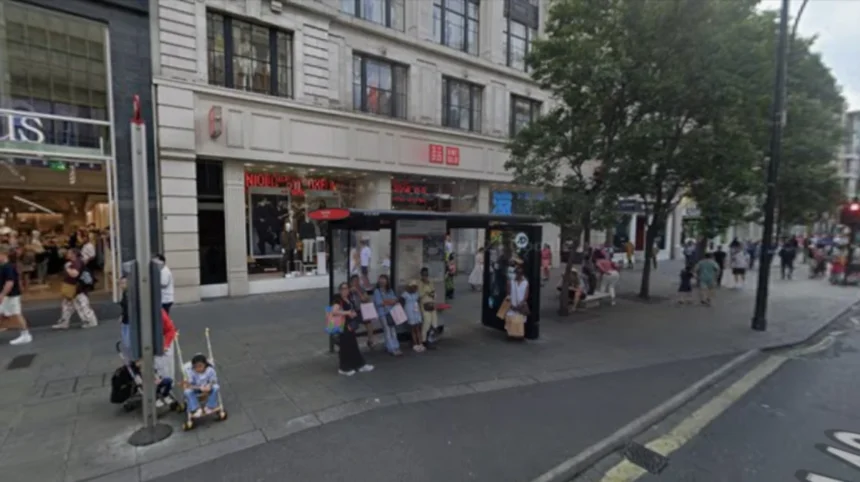
According to Holly Brencher of London Now, the company maintains three individual storefronts along Oxford Street alone:
- 311 Oxford Street: Serving as the flagship store, this location originally opened in 2007. Following a comprehensive refurbishment and expansion completed in 2016, the site features 2,240 square metres of retail floor space across six storeys, including one basement level. The branch houses a RE.UNIQLO Studio providing garment repair and customisation, alongside a UTme! station for bespoke print design.
- 170 Oxford Street: Opened simultaneously with the 311 Oxford Street site in 2007, this branch was launched with approximately 1,300 square metres of retail space.
- One Oxford Street: Situated at the eastern end of the thoroughfare, this branch serves shoppers near Tottenham Court Road.
Additionally, as reported by Holly Brencher of London Now, the brand operates a major dual-concept flagship on Regent Street:
- 103-113 Regent Street: Opened in 2022, this location covers approximately 1,900 square metres. Designated by the company at its launch as its “most significant store to date,” the site represented Europe’s first joint retail space combining UNIQLO and Theory, and includes an operational RE.UNIQLO Studio.
Explore More Local South London News
Community Share Offer Launched to Buy Historic Pub in South Wimbledon 2026
Greenwich Council Approves Stone Foundries Open-Air Venue in Charlton Riverside 2026
Which West, Central, and North London Neighbourhoods Host Stores?
As reported by Holly Brencher of London Now, UNIQLO’s network extends across notable historic quarters, west London commercial hubs, and north London cultural developments.
According to reporting by Holly Brencher of London Now, the locations serving these sectors comprise:
- Covent Garden (19-21 Long Acre): Situated within a Grade II-listed former Victorian carriage hall, this store first opened in 2023. Following a major expansion in 2026, its footprint grew by approximately 30 per cent to around 1,700 square metres across three floors. The branch stocks menswear, womenswear, childrenswear, and baby lines, while offering both a RE.UNIQLO Studio and a UTme! service.
- High Street Kensington (54-58 Kensington High Street): Positioned in close proximity to High Street Kensington Underground station, catering to west and central London shoppers.
- Westfield White City (Units 2048-2049, Ariel Way): Located inside the Westfield London shopping centre complex.
- Spitalfields (54 Brushfield Street): Situated directly opposite Old Spitalfields Market and adjacent to Liverpool Street station.
- Angel (21 Parkfield Street): Positioned inside the Angel Central shopping centre near Angel Underground station.
- Coal Drops Yard (Units 61-65 Coal Drops Yard): Located near King’s Cross and St Pancras stations, this north London store is amongst the select group of UK branches to house an in-store RE.UNIQLO Studio.
How Is UNIQLO Distributed Across East and South-West London?
As reported by Holly Brencher of London Now, the retailer has strategically distributed its remaining London branches across major residential and commercial hubs in the east and south-west of the capital.
According to details provided by Holly Brencher of London Now, these destinations include:
- Westfield Stratford (1 Montfichet Road): Situated inside Westfield Stratford City, directly adjacent to Stratford station and the Queen Elizabeth Olympic Park.
- Battersea Power Station: Located within the redeveloped shopping and leisure precinct inside the restored landmark power station structure.
- Wandsworth: Housed inside the Southside Shopping Centre, representing one of three primary south-west London destinations highlighted in the retailer’s regional division.
- Wimbledon (Unit 2, 51 The Broadway): Located in the town centre, a short distance from Wimbledon station.
- Kingston (93-97 Clarence Street): Positioned on Clarence Street to cover the outer south-western London catchment area.
What Is the Background to UNIQLO’s London Retail Expansion?
The establishment of 15 retail premises across London reflects a multi-decade expansion strategy by UNIQLO’s parent company, Fast Retailing. The capital served as the primary entry point for the Japanese apparel brand’s international retail expansion outside of Asia in the early 2000s.
While initial UK market entry involved testing various store formats, Fast Retailing subsequently shifted focus toward high-density, prime commercial real estate. The opening of the 311 Oxford Street flagship in 2007 marked a structural pivot toward high-volume flagship locations in major global cities. Over the subsequent two decades, the retailer updated its portfolio strategy by combining major high street premises with presences inside landmark urban regeneration projects, such as Battersea Power Station and Coal Drops Yard, alongside core suburban shopping centres like Westfield London, Westfield Stratford City, and Southside Wandsworth.
Furthermore, the recent growth of services such as the RE.UNIQLO Studio and UTme! customisation hubs highlights an industry-wide transition toward experiential physical retail, intended to drive footfall in brick-and-mortar stores alongside digital commerce operations.
How Will This Expanded Store Network Affect London Consumers and the Retail Sector?
The operational network of 15 strategically located stores across central and suburban London is poised to impact several key stakeholder groups:
- Impact on London Consumers: Shoppers across the capital gain increased convenience through reduced travel times to access the brand’s full inventory. The concentration of repair services—such as the RE.UNIQLO Studios at Oxford Street, Regent Street, Covent Garden, and Coal Drops Yard—provides consumers with localized access to garment maintenance and upcycling, encouraging longer product lifespans and supporting sustainable consumption habits.
- Impact on Commercial Landlords and High Streets: UNIQLO’s continued investment in physical spaces, including large-scale expansions like Covent Garden in 2026, provides steady footfall for primary retail corridors. For shopping centres and heritage redevelopments like Battersea Power Station, securing established international anchor tenants remains critical for maintaining overall visitor traffic.
- Impact on High Street Retail Competitors: The presence of a high-density, multi-format retail network places competitive pressure on mid-market high street apparel brands. UNIQLO’s combination of basic wardrobe items, specialised fabric technologies, and in-store value-added services forces competing fashion retailers to continuously innovate their physical store experiences and sustainability offerings to retain market share.