Key Points
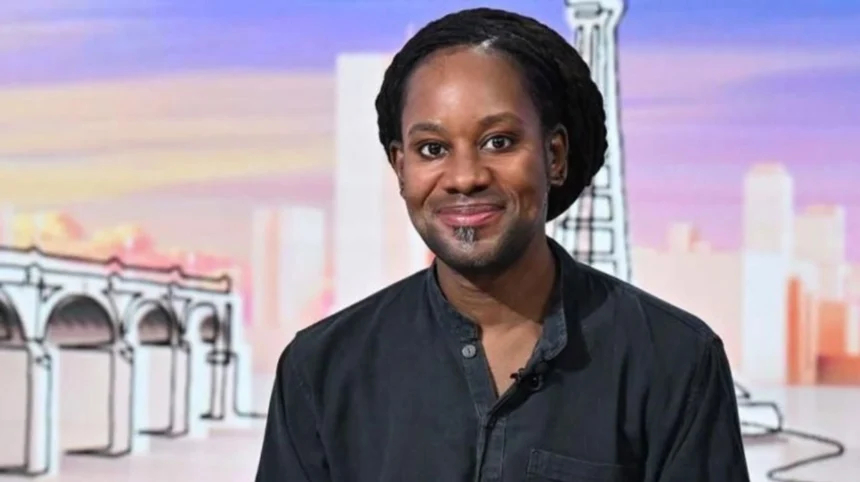
- Coroner opens investigation: London Inner South Coroner’s Court has opened an inquest into the “unnatural death” of Professor Jason Arday.
- Incident details: The 41-year-old academic was found “unresponsive” by family members returning to his Battersea home in south London on the afternoon of 14 August 2026.
- Emergency response: Emergency services attempted to resuscitate him, but he was pronounced dead at the scene. Police have confirmed there are no suspicious circumstances.
- Prior resignation: His death follows his resignation earlier this month as professor of sociology of education at the University of Cambridge amid intense public scrutiny over plagiarism allegations.
- Coroner’s warning: Senior Coroner Dr Julian Morris urged the media to report the death sensitively, citing its potential impact on the family and vulnerable members of the public.
Battersea (South London News) August 27, 2026 – An investigation has been launched into the death of Professor Jason Arday after an inquest heard he was found “unresponsive” by family members at his home in Battersea, south London, on the afternoon of August 14. London Inner South Coroner’s Court was informed that despite resuscitative efforts by emergency personnel, the 41-year-old academic was pronounced dead at the scene, with the Metropolitan Police confirming the circumstances were not suspicious. Prof Arday had recently resigned from his role as professor of sociology of education at the University of Cambridge following public commentary and scrutiny concerning allegations of plagiarism.
- Key Points
- What details were revealed at the opening of the inquest?
- What were the events leading up to Professor Arday’s resignation?
- How have the family and public responded to the loss?
- Background of the particular development
- Prediction: How this development can affect the academic community and public institutions
What details were revealed at the opening of the inquest?
As reported by Haroon Siddique of The Guardian, Senior Coroner Dr Julian Morris formally opened the inquest at London Inner South Coroner’s Court, with members of Prof Arday’s family watching the proceedings via videolink.
As reported by Shirin Aguiar of The Voice, Dr Morris confirmed Prof Arday’s full name as Jason Atta Kwei Arday, alongside his birth date of 9 May 1985 in Lambeth. Detailing the events of 14 August 2026, Dr Morris stated that the London Ambulance Service and Metropolitan Police were called to the Battersea address after family members returned home to find him unresponsive.
As reported by Ethan Blackshaw of The Mirror, Dr Morris stated in court:
“The various reports have given me reason to suspect that Professor Arday died an unnatural death 12 days ago. It therefore follows that I must open an investigation. I will be setting out further directions for the coroner officer.”
As reported by Haroon Siddique of The Guardian, Dr Morris addressed the members of the press present in the court, asking them to show restraint:
“Please be mindful of your reporting, mindful both in terms of Professor Arday’s immediate and wider family, but also in terms of the general public. High-profile deaths can lead to vulnerable individuals feeling more exposed.”
The inquest has been adjourned to a date yet to be confirmed.
What were the events leading up to Professor Arday’s resignation?
As reported by ITV News Anglia, Prof Arday resigned from his post at the University of Cambridge on 5 August 2026 following intense public attention surrounding claims of academic plagiarism.
As reported by Shirin Aguiar of The Voice, the allegations were initially brought by academic Nathan Cofnas. Prof Arday rejected the accusations, attributing any citation irregularities to his neurodivergence. Furthermore, Liverpool John Moores University—which awarded Prof Arday his PhD in 2015—conducted a review and concluded that he had not plagiarised work.
As reported by Bro Radio, in his formal resignation statement to colleagues, Prof Arday explained the severe personal burden created by the scrutiny. Prof Arday wrote:
“While criticism is an inevitable part of academic life, what I have experienced has gone far beyond scholarly disagreement. The relentless accusations, speculation and public commentary have taken a profound toll on me and on those I love.”
He added that his decision to step down should not “be mistaken for an acceptance of the narratives that have surrounded me.”
How have the family and public responded to the loss?
As reported by the Evening Standard, a public crowdfunding appeal established by campaigner Sir Patrick Vernon OBE raised more than £224,000 from over 7,900 contributions to assist the family before being closed at their request.
As reported by ITV News Anglia, Prof Arday’s family released a statement expressing gratitude for the overwhelming support:
“The response to this appeal reflects the number of people whose lives were touched by our beloved Jason and the affection, respect and admiration in which he was held. Jason devoted his life and career to advancing education, widening participation, tackling race and inequality, and championing autism and neurodiversity.”
As reported by Haroon Siddique of The Guardian, the family previously criticised the pressure placed upon him, describing it as a “campaign of misinformation” and requesting privacy to grieve.
As reported by The Independent, a vigil was held in Trafalgar Square, London, attended by thousands of supporters, while additional gatherings were organised by students in Cambridge. Additionally, publisher Simon & Schuster confirmed that Prof Arday’s memoir, Great And Unfortunate Things, would be released as scheduled in accordance with his wishes.
Background of the particular development
Professor Jason Arday was a prominent figure in British higher education. Diagnosed with global developmental delay and autism in early childhood, he was non-verbal until the age of 11 and learned to read and write in his late teens. He went on to earn higher degrees, eventually being appointed as professor of sociology of education at the University of Cambridge in 2023, making him the youngest Black professor in the institution’s 817-year history.
The accusations against Prof Arday sparked significant debate across academic circles regarding peer review, institutional duty of care, and the nature of public discourse targeting high-profile academics. Following the events, Ghent University in Belgium suspended Nathan Cofnas pending a disciplinary review, citing the need for reflection within academic institutions regarding conduct and debate.
Prediction: How this development can affect the academic community and public institutions
The opening of the formal inquest into Professor Arday’s death, alongside the ongoing scrutiny of how the allegations were handled, is expected to have significant structural implications for higher education institutions and academic discourse:
- Institutional Duty of Care: Universities and academic bodies are likely to re-examine their duty-of-care protocols for faculty members undergoing public investigations or external online scrutiny. Pressure will build on institutions to establish clear protective measures to support academics’ mental health during formal grievance or disciplinary procedures.
- Regulation of Academic Allegations: Higher education sector leaders and governance boards may introduce stricter procedural safeguards regarding how claims of misconduct or plagiarism are aired publicly, aiming to balance transparency and accountability with protection against reputational harm prior to formal investigation.
- Media and Public Standards: The explicit caution issued by the coroner, alongside public commentary from figures across the sector, may lead to stricter media adherence to reporting guidelines surrounding high-profile resignations and sensitive investigations.