

Key Points
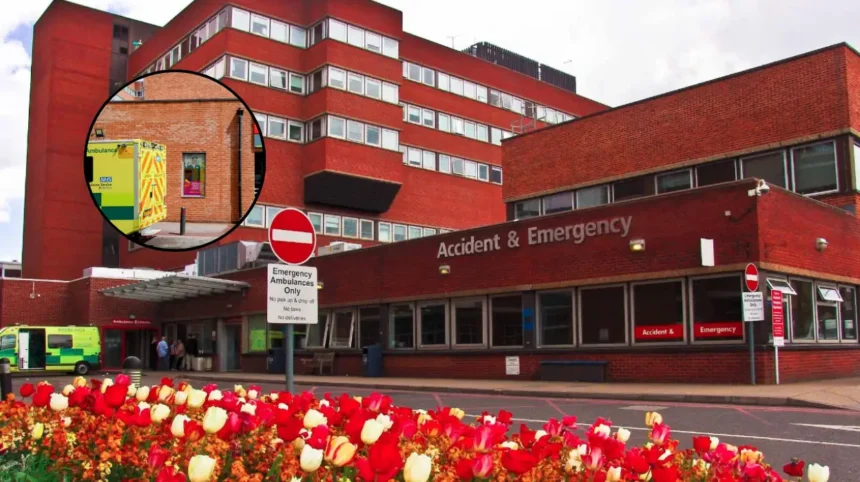
- Dedicated Crisis Facility: St George’s Hospital in Tooting, South London, has been earmarked to build a brand new mental health emergency department.
- Upfront Funding Secured: An initial £1.9 million investment has already been secured to push forward and develop the design and delivery plans for the site.
- Relieving A&E Pressures: The unit aims to give psychiatric patients immediate access to specialist care in a calm setting, drastically cutting corridor wait times in the general emergency department.
- Part of National Strategy: The move forms part of a wider £343 million package announced by the Government to create 159 new NHS mental health facilities across England.
- South West London Rollout: Alongside the emergency unit at St George’s, plans include setting up five new community mental health centres across the local region.
- Funding Approval Timelines: The next phase of national funding approvals is scheduled for October 2026, with all capital cash set to be fully invested by March 2028.
Tooting (South London News) September 23, 2026 – St George’s Hospital in Tooting has been earmarked for a brand new, dedicated mental health emergency department designed to provide patients in acute distress with immediate specialist treatment in a secure environment. An initial funding allocation of £1.9 million has already been locked in to construct and refine the operational blueprints for the site. The facility will sit adjacent to the hospital’s main emergency department to ensure swift clinical transfers. The project aims to divert vulnerable individuals away from noisy A&E waiting areas, eliminating long delays on trolleys and relieving overall operational pressures across the acute hospital network.
- Key Points
- Why is St George’s Hospital getting a dedicated mental health emergency department?
- How will the new facility be funded and managed?
- What broader mental health plans are being introduced across South West London?
- What is the background to this NHS development?
- What is the prediction for how this development will affect key groups?
Why is St George’s Hospital getting a dedicated mental health emergency department?
As reported by Charlotte Lillywhite of MyLondon, St George’s Hospital in Tooting—made famous across the nation by the hit television documentary series 24 Hours In A&E—is under consideration for the new facility to transform how urgent psychiatric care is delivered. The hospital’s general emergency department routinely sees high volumes of individuals arriving in mental health crisis, where they can often face long waits in chaotic surroundings.
As reported by Charlotte Lillywhite of MyLondon, Kate Slemeck, site Chief Executive Officer of St George’s Hospital, stated during a Wandsworth Council Health Committee meeting that the new unit would target “people who come into the organisation and currently sometimes get quite stuck in our emergency department for long periods, waiting for capacity outside of the hospital”. The dedicated department will ensure patients are routed directly to mental health clinicians as soon as they present at the hospital gates.
As reported by Charlotte Lillywhite of MyLondon, Slemeck added that the overarching goal is focused on “giving them a much better experience while they’re in the hospital, with the mental health interventions that they need at that time, and supporting their exit out of the organisation to the right place at the right time”.
How will the new facility be funded and managed?
As reported by Radio Jackie, the development at St George’s forms one component of a sweeping £343 million national funding package unveiled by the Government. The nationwide scheme is designed to roll out 159 new NHS mental health facilities across England, which includes 59 dedicated mental health emergency departments and 100 new walk-in community mental health centres.
As reported by Charlotte Lillywhite of MyLondon, the plans for the Tooting site are being drawn up using an initial £1.9 million investment tranche. The operational responsibility for running the completed mental health emergency department will fall under the South West London and St George’s Mental Health NHS Trust, working in close coordination with acute hospital leadership.
As reported by Charlotte Lillywhite of MyLondon, NHS management confirmed that the next milestone for national funding approval is set for October 2026, with the complete investment allocation required to be expended by March 2028.
What broader mental health plans are being introduced across South West London?
As reported by Putney News, the introduction of the emergency unit at St George’s is complemented by regional investments across the local healthcare economy. Five brand-new community mental health centres are scheduled for development across South West London. These hubs are designed to act as walk-in facilities on local high streets, allowing residents to access psychiatric nurses, social workers, and therapists without needing a prior GP referral or facing lengthy waiting lists.
As reported by Radio Jackie, Mat Shaw, Chief Executive of the St George’s, Epsom and St Helier University Hospitals and Health Group (gesh), stated:
“Record numbers of patients are being treated in our emergency departments and – on some occasions – half of those in our care don’t have physical injuries but are in mental health crisis. We know that a stressful A&E department is not the right place for people in crisis so this vital investment will enable us to treat people in a more suitable environment with dedicated, specialist mental health support”.
As reported by Radio Jackie, Vanessa Ford, Chief Executive of South West London and St George’s Mental Health NHS Trust, stated:
“This investment is a really important step forward. Dedicated mental health Emergency Departments can offer a more therapeutic environment, enable earlier assessment by specialist mental health teams and help ensure people receive the right care, in the right place, at the right time”.
What is the background to this NHS development?
Emergency departments across England have faced unprecedented pressures over recent years, with acute psychiatric crises representing a growing proportion of total admissions. Traditionally, patients arriving at hospital in severe psychological distress are triaged alongside physical trauma cases. Due to acute shortages of psychiatric beds and community care placements, mental health patients frequently spend many hours—and occasionally days—on trolleys or in corridors awaiting secondary assessment or bed allocation.
St George’s Hospital, located in Tooting within the London Borough of Wandsworth, serves as one of the capital’s principal major trauma centres and general acute facilities. Over many years, local health trusts and Wandsworth Council have sought strategies to decouple acute psychiatric presentations from general emergency queues. The current proposal represents the culmination of regional healthcare system integration, pairing acute hospital infrastructure with specialized mental health trust provision.
What is the prediction for how this development will affect key groups?
Impact on Mental Health Patients and Families
For individuals experiencing acute psychiatric crises, the opening of a dedicated emergency department will fundamentally alter their care trajectory. Ditching crowded, brightly lit A&E corridors for a purpose-built, calm environment will reduce sensory overload and distress. Patients will receive immediate, specialized psychiatric evaluation upon arrival, dramatically shortening wait times and enabling faster discharge or placement into community settings. Families and carers will also benefit from a clearer, more compassionate clinical pathway during high-stress situations.
Impact on General Emergency Department Staff and Physical Health Patients
For medical staff working within St George’s general A&E, the redirection of mental health cases to an adjacent facility will significantly alleviate operational burdens. Nursing staff and emergency doctors will be able to dedicate more time and physical bed space to urgent medical trauma and physical illnesses. The reduction in corridor overcrowding will improve patient privacy, lower stress levels for emergency department personnel, and help improve overall A&E performance metrics, such as four-hour target waiting times across the hospital.
Impact on Local Healthcare Infrastructure and the Wider Community
For the South West London community, the combined rollout of the St George’s crisis department and local neighbourhood walk-in centres creates an integrated safety net. By catching mental health issues earlier in community settings and managing emergency presentations in a specialized facility, pressure will be lifted from ambulance services and local police officers, who frequently spend hours managing crisis cases in general emergency departments. Over time, this regional framework is predicted to reduce emergency readmission rates and build a more resilient local healthcare system.


