Key Points
- Only 53.5% of UK homes listed for sale between January and October 2024 successfully completed a sale, according to property data company TwentyCi.
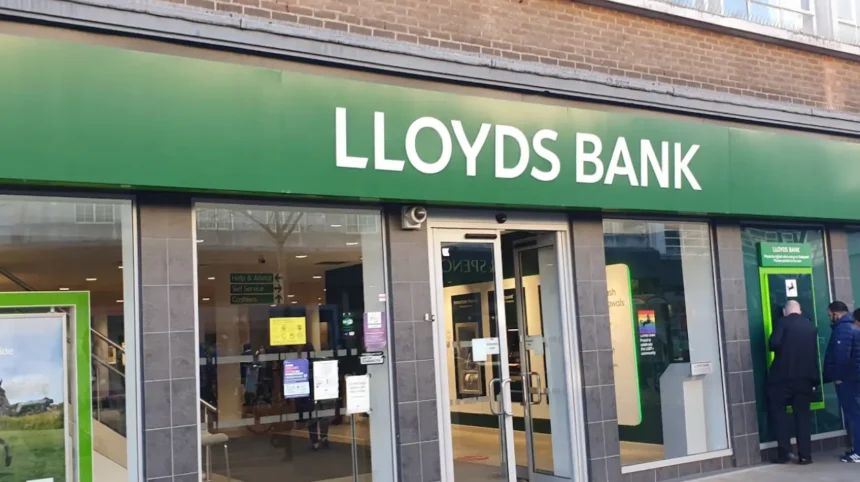
- Average UK house prices fell by 1.2% in the year to 31 October, representing the steepest decline since late 2023, per Lloyds Bank data.
- Official figures show mortgage approvals for house purchases declined by 19.4% year-on-year in September.
- Regional disparities remain stark: Greater London prices dropped 3.1% and Inner London properties face a 30% sale likelihood, whereas Northern Ireland recorded a 4.4% increase in property values.
- The national likelihood of selling a flat stands at 41% for 2024 to date, while outer London maintains demand for limited family housing stock.
- Industry experts emphasise that realistic initial pricing, backed by comparable sales data from portals like Rightmove and Zoopla, is critical for achieving a sale.
- Sellers exiting the market, downsizers, and recent buyers with small deposits face heightened financial pressures and negative equity risks.
London (South London News) November 28, 2026 – UK property sellers are confronting increasingly difficult market conditions, with data from property analytics firm TwentyCi revealing that just 53.5% of homes listed between January and October 2024 successfully sold. Simultaneously, figures from Lloyds Bank indicate that average UK house prices declined by 1.2% in the year to 31 October, marking the sharpest drop since late 2023, while official statistics confirm that mortgage approvals for house purchases fell by 19.4% year-on-year in September.
- Key Points
- How Are Regional Variations Affecting UK House Prices and Sales?
- Why Is the UK Flats Market Facing Severe Headwinds?
- What Pricing Strategies Are Estate Agents Recommending to Sellers?
- How Does Price Softening Impact Different Types of Buyers and Sellers?
- Background of the UK Housing Market Contraction
- Prediction: How This Development Will Affect UK Homeowners and Buyers
How Are Regional Variations Affecting UK House Prices and Sales?
The residential property market demonstrates sharp geographical contrasts across the United Kingdom. According to data from Lloyds Bank, Greater London experienced the steepest annual price contraction at 3.1% year-on-year in the period leading to 31 October. Across southern England, both the south-east and south-west recorded average price falls of 2.4%.
Transaction completion rates in the capital are particularly subdued. Stuart Ducker, strategic solutions director at TwentyCi, reported that properties located in Inner London face a markedly low sale likelihood of just 30%.
Conversely, other parts of the UK continue to register capital growth. Lloyds Bank figures show that Northern Ireland recorded a 4.4% rise in average property values in the year to the end of October, highlighting persistent regional disparities in housing market performance.
Why Is the UK Flats Market Facing Severe Headwinds?
Property type plays a decisive role in determining whether a listed home reaches completion. Data compiled by TwentyCi indicates that the national likelihood of successfully selling a flat stands at only 41% for 2024 to date, trailing well behind the overall market average of 53.5%.
While urban apartments struggle to secure buyers, demand for family-sized homes in suburban areas remains comparatively resilient. Emily Williams, director of research at Savills, noted that outer London continues to exhibit buyer demand for family housing, largely supported by limited available stock in those neighbourhoods.
What Pricing Strategies Are Estate Agents Recommending to Sellers?
With buyer activity constrained by reduced mortgage approvals, property professionals identify accurate valuation as the primary driver of successful transactions. Alex Oppenheim, a director at John D Wood estate agents, advises prospective sellers to request comparable sales evidence from their appointed agents and independently verify recent transaction data via major property portals such as Rightmove and Zoopla.
Oppenheim further suggested that vendors can gauge market appetite discreetly by initially marketing their properties to an agency’s database of registered buyers before launching a public listing on major online portals.
Emily Williams of Savills reinforced the necessity of accurate initial valuations, advising that modern buyers remain thoroughly informed through online property portals and quickly identify overpriced listings.
How Does Price Softening Impact Different Types of Buyers and Sellers?
Market conditions affect homeowners differently depending on their onward moving plans and equity positions. Nick Mendes, technical manager at mortgage broker John Charcol, observed that homeowners looking to trade up to a larger property within the same region may find advantages in the current environment.
Nick Mendes stated: “What matters is the gap between the home being sold and the home being bought, not the headline price of either.”
In contrast, the downturn presents distinct obstacles for sellers who are exiting the housing market without purchasing another property, as well as downsizers who depend on releasing specific equity sums to fund their next stage of life. Additionally, recent buyers who entered the market with small deposits face the highest exposure to negative equity, a situation where outstanding mortgage debt exceeds the current market value of the property.
Background of the UK Housing Market Contraction
The drop in the UK property sales success rate to 53.5% and the 1.2% annual house price decline reflect an ongoing period of market adjustment following late 2023, which previously marked the steepest downturn prior to October 2024. Throughout 2024, reduced borrowing activity—evidenced by the 19.4% year-on-year fall in September mortgage approvals—has constrained buyer purchasing power. Concurrently, widespread access to historical transaction records on digital property portals has shifted pricing transparency in favour of buyers, widening the divide between over-ambitious asking prices and completed sale figures across different UK regions and property classes.
Prediction: How This Development Will Affect UK Homeowners and Buyers
For UK property sellers, particularly flat owners and vendors in Greater London and southern England, the low 53.5% completion rate means properties will likely remain on the market for extended periods unless asking prices are aligned closely with recent comparable sales. Downsizers and cash-out sellers may be forced to accept lower equity returns or delay listing until borrowing volumes recover. Conversely, second-step buyers trading up within the same region stand to benefit from compressed price gaps between mid-tier and larger family homes, provided they price their existing properties realistically to secure an initial buyer. Meanwhile, recent low-deposit homeowners must closely monitor local valuations to manage the risk of falling into negative equity while price softening persists.