- Location: Croydon street near Selhurst Park stadium.
- Project: Demolition of 6 houses for upgrade.
- Purpose: Crystal Palace’s stadium expansion works.
- Details: Site clearance to enable improvements.
- Timeline: Demolition scheduled to begin soon.
- Context: Part of major Selhurst Park redevelopment.
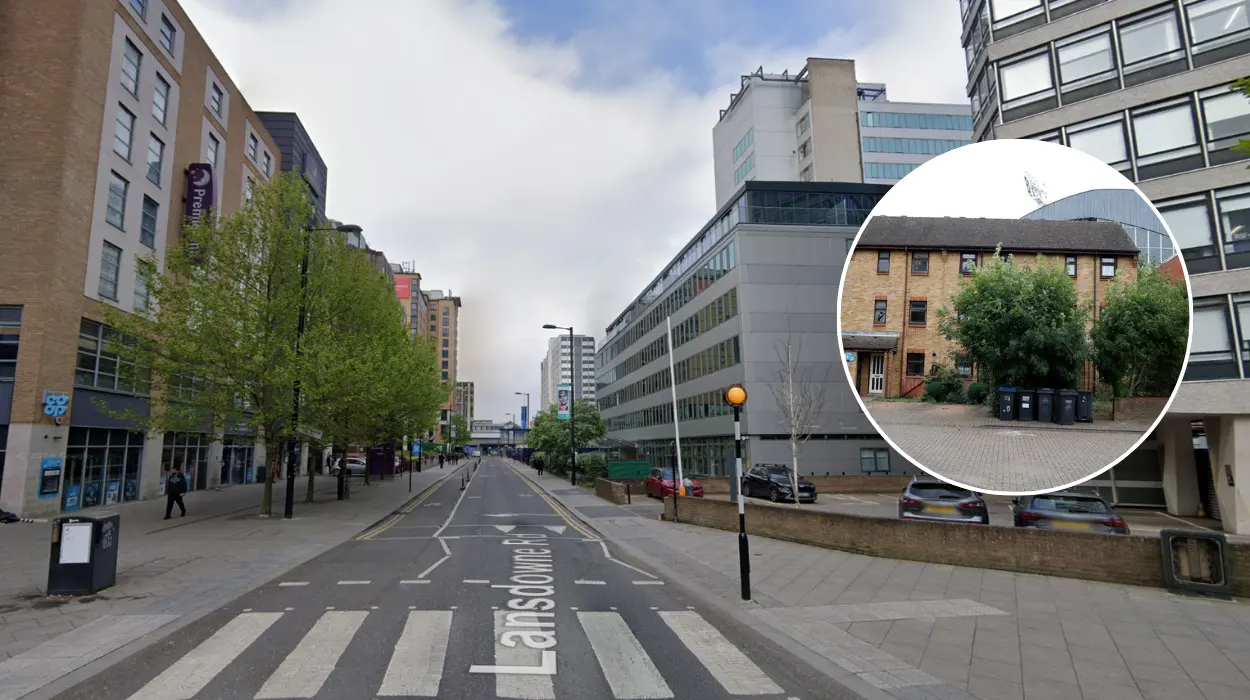
A major obstacle that had been impeding the long-awaited Selhurst Park reconstruction has been removed with the announcement that Crystal Palace Football Club has completed the purchase of all six homes next to the stadium site. Now that every Wooderson Close inhabitant has found new housing, the properties are ready for impending demolition.
Selhurst Park’s present capacity of 25,486 will be increased to over 34,000 when the reconstruction is finished, along with a number of other enhancements to the Main Stand. Nearly eight years ago, Croydon Council gave planning approval in principle. However, since then, there have been other setbacks and obstacles, such as the requirement to demolish the Wooderson Close homes, which are located just across the fence in the shadow of the imposing Holmesdale Road Stand.
When news of the redevelopment initially surfaced in 2017, some residents at 22–32 Wooderson Close believed that the club and council had not adequately informed them about their future, according to a previous report by the Local Democracy Reporting Service (LDRS). But when relations improved, the majority of council members were finally relocated within the borough.
The privately held property at number 30 caused additional delays in progress. Although the LDRS is aware that the club paid more than the market value for number 30 in comparison to the sum agreed upon for the former council dwellings, its purchase now permits the demolition of all six structures.
The club announced in a statement released today (January 9) that a piece of the Wooderson Close site will be used to construct the new stand’s southeast corner. This area will initially be designated as a construction zone to ensure worker and traffic safety while minimizing disturbance on matchdays. In order to create room for the renovation, the FA Cup winners also earlier bought a piece of land from the Sainsbury’s store near the stadium’s western end.
The club reported that construction on new changing rooms under the Holmesdale end, cable relocation, and other infrastructure upgrades had advanced behind the scenes. According to them, this will make it possible to remove and rebuild the temporary portacabins that have been used as the opposition changing rooms near the Holmesdale entrance.
Croydon Mayor Jason Perry welcomed the council’s sale of the Wooderson Close homes, stating:
“This has been the result of sustained work behind the scenes by the Council working with the club. Crucially, the sale will fund replacement new Council homes, helping residents access safe and affordable housing.”
He added:
“As a Palace supporter, I know how much Selhurst Park means to fans. The new Main Stand and wider improvements will be enjoyed for generations and represent a significant investment in the local area.”
How will local residents be rehoused during the redevelopment?
All six Wooderson Close homes have been completely rehoused by Croydon Council and Crystal Palace FC ahead of the imminent obliteration for Selhurst Park’s main stage redevelopment, icing no relegation during construction.
Council tenants from the five parcels entered precedence access to indispensable council homes within Croydon city, with relocation offers finalised months previous via devoted casing officers. Private possessors negotiated cash agreements reflecting mid-market values(£400,000-£ 500,000 range), including moving cost benefits and right- to- return precedence for new colosseum- conterminous affordable unitspost-2028.
Temporary accommodation bridged gaps for families, with academy transfers minimised and community subventions covering dislocations. Mayor Jason Perry verified full compliance with decant protocols, avoiding CPO proceedings through voluntary agreements that saved the January 2026 obliteration timeline for the £200m design.