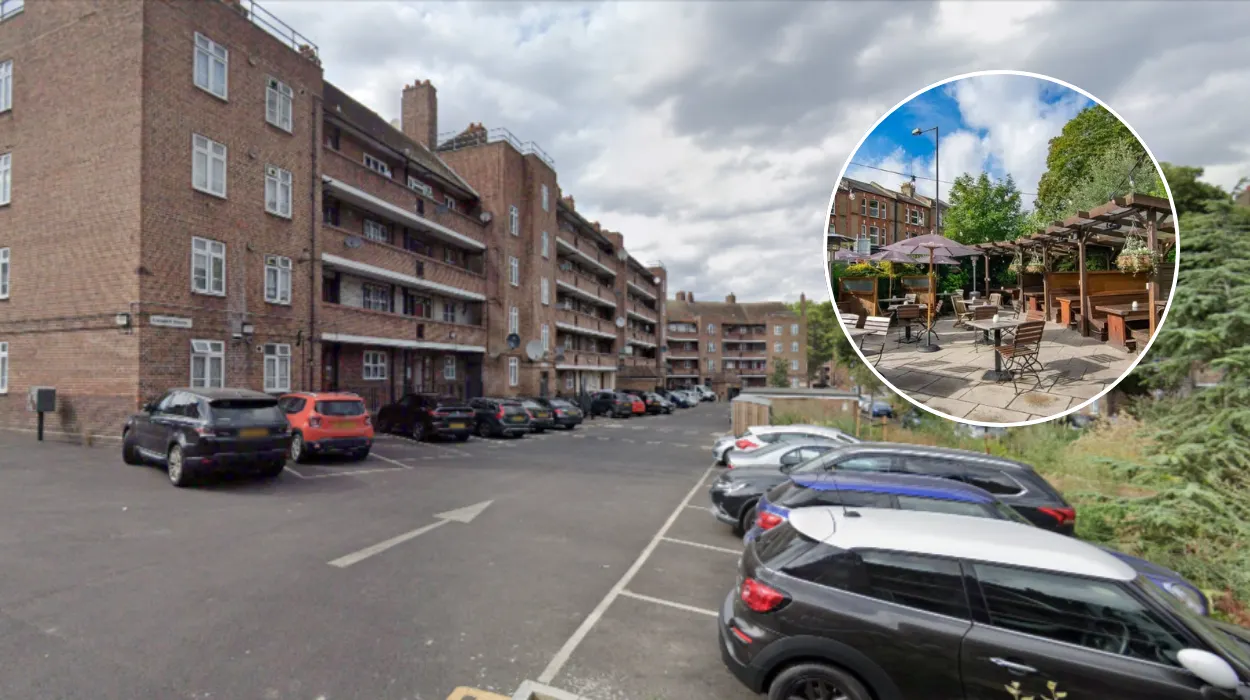
Tulse Hill stands as one of South London’s most vibrant yet understated neighborhoods, blending rich history, diverse communities, and modern appeal. Nestled between Brixton and West Dulwich, it offers residents and visitors a unique mix of green spaces, cultural hotspots, and everyday charm that keeps it relevant year after year.
A Storied Past
Tulse Hill’s origins trace back to the 17th century, named after the Tulse family who owned much of the land following Sir William Tulse’s tenure as Lord Mayor of London in 1683. By the Victorian era, it transformed from rural estates into a desirable residential area, with grand villas built along its tree-lined streets as the railway arrived in the 1860s, connecting it to central London.
The neighborhood played a key role in London’s expansion, attracting middle-class families fleeing the city’s industrial hustle. Sites like the former Tulse Hill House, now part of Kingswood College, highlight this architectural legacy, while wartime scars from WWII bombings reshaped its landscape, fostering resilient community spirit.
Architectural Highlights
Victorian and Edwardian homes dominate Tulse Hill, featuring red-brick terraces and semi-detached houses with ornate detailing that epitomize South London suburbia. Streets like Upper Tulse Hill boast some of the finest examples, many now Grade II listed for their historical value.
Modern developments, such as eco-friendly infills and renovations, respect this heritage while adding contemporary flair. Community efforts preserve landmarks like the Art Deco former cinema on Brixton Hill, now a residential block, blending old-world elegance with practical living.
Green Spaces and Outdoor Life
Brockwell Park forms the beating heart of Tulse Hill, a 128-acre haven with playgrounds, a lido, and annual festivals like Lambeth Country Show. Managed by Lambeth Council, it draws locals for picnics, sports, and skyline views stretching to the Shard.
Smaller pockets like Tulse Hill Nature Garden offer urban wildlife spotting, with ponds and meadows supporting biodiversity initiatives. These spaces promote mental health and community events, making Tulse Hill a top pick for nature-loving South Londoners.
Cultural and Artistic Scene
Tulse Hill pulses with creativity, home to venues like the Bussey Building in nearby Copeland Park, hosting theatre, music, and art from emerging talents. The area’s street art, including murals on rail arches, reflects its multicultural vibe.
Annual events such as the Tulse Hill Festival celebrate local artists, food stalls, and live performances, fostering a sense of belonging. Proximity to Brixton’s Electric Avenue markets adds layers of Caribbean-influenced culture, from reggae sounds to jerk chicken feasts.
Dining and Food Scene
Tulse Hill’s eateries cater to every palate, from The Tulse Hill Tavern’s Sunday roasts in a cozy pub setting to The Italian Shop’s authentic gelato and paninis. Diverse options shine through Franco Manca’s sourdough pizzas and The Market Garden’s farm-to-table brunch.
Street food at Brockwell Park Market on Sundays features global flavors—think Ethiopian injera or Colombian arepas—sourced from independent vendors. Health-conscious spots like The Hilltop offer vegan bowls, aligning with South London’s wellness trends.
Shopping and Local Markets
Independent shops thrive along Tulse Hill’s high street, with Stand Coffee Roasters supplying artisanal brews and The Plant Shop curating greenery for urban homes. Brockwell Market, every Sunday, showcases crafts, baked goods, and zero-waste products.
Niche stores like Nour Cash & Carry provide Middle Eastern groceries, while charity shops offer vintage finds. This mix supports local economy and sustainability, drawing shoppers seeking unique South London treasures.
Education and Family Life
Top schools like Tulse Hill School, a boys’ academy with a strong STEM focus, and Rosemount Primary earn high Ofsted ratings, making the area family-friendly. Kingsdale Foundation School nearby excels in sports and arts.
Nurseries and after-school clubs in community centers like the Tulse Hill Advice and Information Centre support working parents. Low crime rates compared to central boroughs and ample playgrounds enhance its appeal for young families.

Transport Links
Thameslink trains from Tulse Hill station whisk you to London Victoria in 10 minutes or Blackfriars in 15, ideal for commuters. Bus routes like the 2, 68, and 415 connect to Brixton, Herne Hill, and beyond.
Cycling paths through Brockwell Park link to the Capital Ring, promoting eco-friendly travel. Zone 3 status keeps fares affordable, positioning Tulse Hill as a convenient South London hub without the tube crowds.
Community Spirit
Diverse residents—Afro-Caribbean, Portuguese, and young professionals—create a welcoming atmosphere, evident in groups like the Tulse Hill Neighbourhood Forum advocating for green initiatives. The Mulberry Tree Centre runs youth programs and senior lunches.
Volunteering opportunities abound, from park clean-ups to food banks, strengthening bonds. This inclusivity counters stereotypes, making Tulse Hill a model of modern South London community resilience.
Property and Living Costs
Average house prices hover around £700,000 for three-bedroom terraces, more affordable than neighboring Dulwich (£1M+). Rentals start at £1,800/month for two-beds, attracting first-time buyers and upsizers.
Regeneration projects promise value growth without gentrification overload, preserving affordability. Energy-efficient retrofits in older homes appeal to eco-aware buyers.
Nightlife and Entertainment
Pubs like The Castle serve craft ales with quiz nights, while The Half Moon adds live jazz. For bigger nights, buses to Brixton’s clubs are quick.
Rooftop cinema at Brockwell Park in summer offers al fresco films under the stars, blending relaxation with fun. Quiet evenings suit families, with options scaling to lively weekends.
Future Developments
Lambeth Council’s plans include affordable housing at the former Odeon site and park upgrades for better accessibility. Community-led projects like solar panels on schools signal sustainable growth.
Tulse Hill’s forum pushes for traffic calming and more green corridors, ensuring evolution respects its character. These changes position it for long-term appeal.
Why Choose Tulse Hill?
Tulse Hill encapsulates South London’s essence—historic charm meets vibrant diversity in a walkable, connected neighborhood. From park strolls to market browses, it delivers timeless quality of life.
Whether raising kids, commuting, or seeking culture, Tulse Hill rewards with authenticity and convenience.