
To report noise nuisance in Bexley, first speak politely to your neighbour if safe to do so. If unresolved, complete a noise diary for at least two weeks, then submit an online complaint form to Bexley Council via their Community Safety and Environment team for investigation. This 2026 Guide helps South London residents in Bexley, Bromley, Lewisham, Southwark, Greenwich, and Croydon resolve issues quickly under UK law.
Why Noise Nuisance Matters
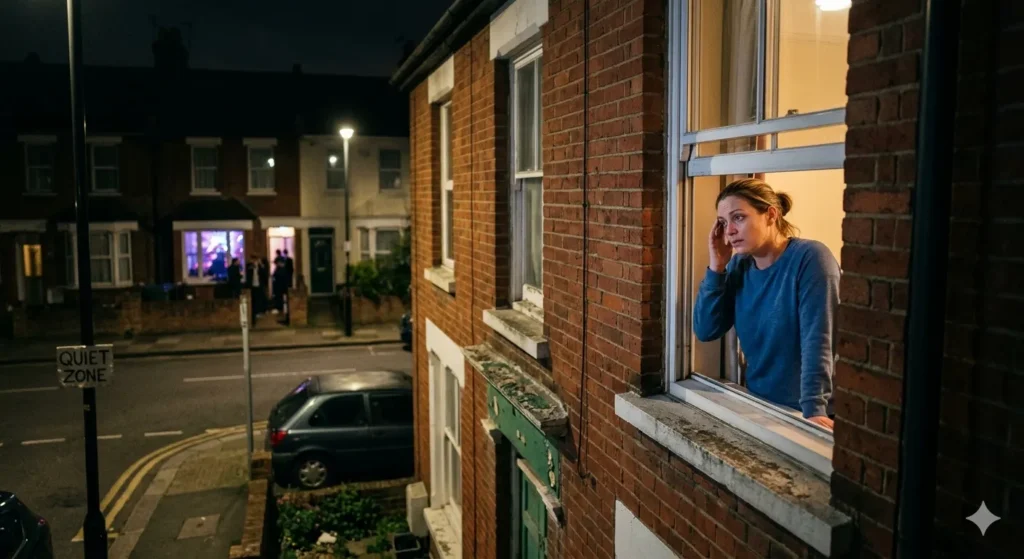
Noise nuisance disrupts daily life for local residents across South London. Constant disturbances like loud music, barking dogs, or late-night DIY prevent restful sleep and raise stress levels in quiet neighbourhoods.
In busy areas of Bexley and nearby boroughs such as Greenwich and Croydon, these issues affect families, shift workers, and the elderly most. Councils recognise that persistent noise harms mental health and community harmony.
Resolving it early maintains neighbourly relations and upholds everyone’s right to peaceful enjoyment of their home under UK environmental laws.
Step-by-Step Actions
Follow these practical steps to address noise nuisance effectively.
- Approach your neighbour first: If you feel safe, explain the issue calmly during the daytime. Many disturbances stop once neighbours realise the impact.
- Keep a noise diary: Record dates, times, duration, and noise type for at least 14 days. Note how it affects you, such as preventing sleep.
- Submit a formal complaint: Use Bexley Council’s online noise nuisance form if in Bexley, or equivalent services in Bromley, Lewisham, Southwark, Greenwich, or Croydon.
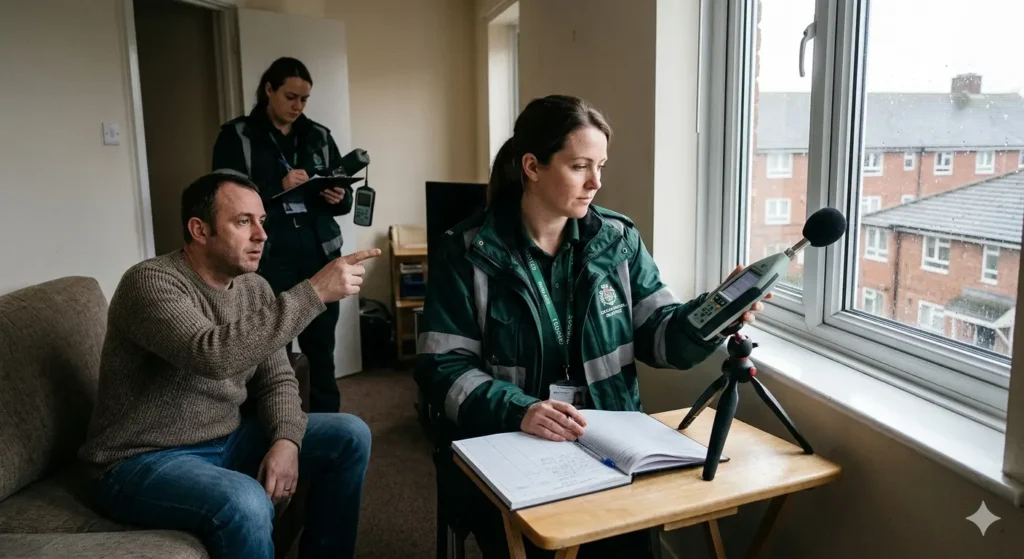
- Allow council investigation: Officers may visit unannounced to witness the noise and assess if it qualifies as a statutory nuisance.
- Cooperate with follow-ups: Provide evidence like diary sheets if requested.
This structured approach ensures councils like Bexley Council can act legally.
Council Service Responsible
Bexley Council’s Community Safety and Environment team handles noise nuisance reports. They investigate complaints to determine if action is needed under the Environmental Protection Act 1990.
Similar teams operate in neighbouring South London councils: Bromley’s Environmental Health, Lewisham Council’s Noise and Nuisance service, Southwark’s Pollution team, Greenwich Community Safety, and Croydon’s Environmental Protection.
Local residents should contact their specific South London council service first for tailored support. Each follows national guidelines but knows area-specific patterns.
Information Needed
Councils require clear details to investigate efficiently. Provide your full address, contact details, and the neighbour’s address or precise location of the noise source.
Describe the noise type—loud music, shouting, alarms, or animal sounds—and when it occurs, such as evenings or weekends. Submit your completed noise diary as evidence.
No fixed decibel level defines nuisance; officers judge based on reasonableness. Avoid wildlife reports like foxes, as councils cannot act on those.
Expected Response Time
Councils aim to acknowledge complaints within five working days. Bexley Council may contact you to request your noise diary shortly after submission.
Investigations typically take two to four weeks, depending on diary completion and officer availability. If noise occurs now and severely disrupts, some South London councils offer out-of-hours lines, though formal action still needs evidence.
Urgent cases might see faster visits, but statutory processes ensure fairness.
Follow-Up Actions
If initial contact yields no resolution, continue your noise diary and inform the council. They may revisit or install monitoring equipment if evidence supports it.
Request a formal update after four weeks. Escalate via the council’s complaints procedure if dissatisfied—most have a two-stage process.
For persistent issues post-investigation, consider mediation services offered by Bexley Council or neighbours in Greenwich and Croydon. Legal advice from Citizens Advice may help in rare unresolved cases.
Rights and Responsibilities
Under UK law, specifically the Environmental Protection Act 1990, councils must investigate potential statutory nuisances. Residents have the right to a witnessed investigation if evidence suggests unreasonableness.
You must provide accurate details and cooperate, while councils assess impartially without guaranteed action. Perpetrators face abatement notices; non-compliance leads to fines up to £5,000 for homes or £20,000 for businesses.
Responsibilities include attempting neighbourly resolution first and keeping records. This balances rights for all local residents in South London.
Practical Tips for Prevention
Prevent future noise issues with proactive steps. Soundproof rooms using heavy curtains, rugs, or secondary glazing to reduce impact on you.
Choose quiet times for your own activities, like DIY before 8am or after 8pm on weekdays. Foster good relations by hosting low-key neighbour events in Bexley or Lewisham areas.
Join local South London council newsletters for noise awareness campaigns. Apps for white noise or earplugs offer immediate relief while pursuing formal routes. These habits minimise disputes long-term.
What is an example of a noise nuisance?
A noise nuisance can include loud music, frequent late-night parties, barking dogs, DIY or construction noise at unreasonable hours, or persistent shouting that disturbs neighbours. In Bexley, these issues can be reported to the council if they regularly disrupt your home life.