Key Points
- London Fire Brigade (LFB) launched its annual #BeWaterAware campaign following the deaths of a woman and a boy in the River Brent near Brentford on Saturday, 9 May.
- Emergency services responded, but both individuals were pronounced dead at the scene.
- Boroughs along the River Thames, including Richmond upon Thames, are among the most affected by water-related incidents in London.
- LFB figures indicate 40 per cent of water incidents occur between May and August; over 1,500 incidents attended in London in the last five years, with 103 non-suicide drownings.
- More than a quarter of London’s water-related incidents occur in Tower Hamlets, Southwark, Lambeth, and Richmond.
- Assistant Commissioner Pam Oparaocha expressed condolences and emphasised the dangers of open water.
- Risks include cold water shock, strong currents, hidden debris, slippery edges, and sudden depth drops.
- Advice: Swim only in designated lifeguarded areas; call 999 and throw a flotation device if someone is in trouble.
- Campaign led nationally by the National Fire Chiefs Council, reporting over 1,600 accidental drownings in the UK from 2019 to 2024.
Kingston upon Thames (South London News) May 12, 2026 – Firefighters are urging people across Kingston to stay safe around open water following the deaths of a woman and a boy in the River Brent over the weekend.
- Key Points
- What Triggered the London Fire Brigade’s Water Safety Campaign in Kingston?
- Which Areas in London Face the Highest Risk of Water Incidents?
- What Did LFB Assistant Commissioner Pam Oparaocha Say About the Tragedy?
- Why Is Open Water So Dangerous Even in Warm Weather?
- What Is the National Scope of the #BeWaterAware Campaign?
- How Can Kingston Residents Respond to Water Emergencies?
- What Statistics Back the LFB’s Warnings for Riverside Boroughs?
- Who Is Leading the Response to Drowning Risks in London?
- Background of the River Brent Tragedy and #BeWaterAware Campaign
- Predictions: How This Development Can Affect Kingston Residents
What Triggered the London Fire Brigade’s Water Safety Campaign in Kingston?
The campaign activation came after LFB crews were called to reports of two people in the water near Brentford on Saturday afternoon, 9 May. Despite the efforts of emergency services, both were pronounced dead at the scene. As reported by the LFB’s official statement, the brigade has launched its annual #BeWaterAware campaign in direct response to this incident.
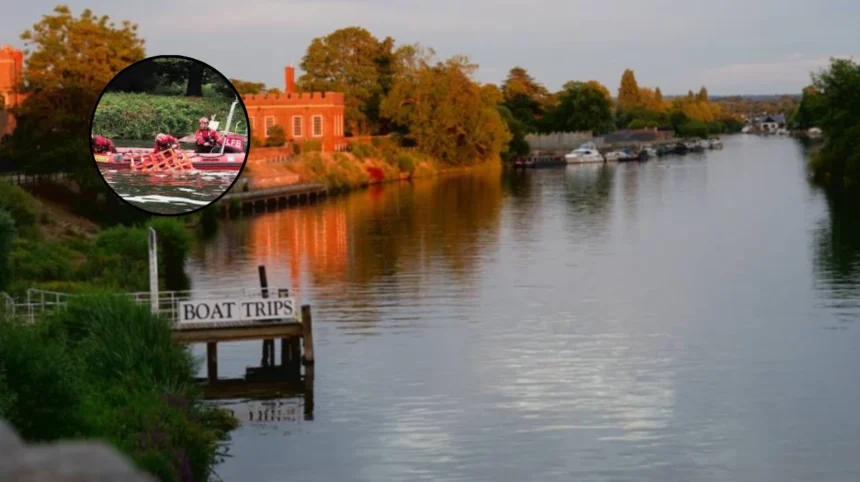
The River Brent, which flows into the River Thames, has been highlighted as a site of concern. Boroughs along the River Thames, including Richmond upon Thames, are among the areas most affected by water-related incidents in the capital.
Which Areas in London Face the Highest Risk of Water Incidents?
LFB data shows that 40 per cent of water incidents happen between May and August. Over the last five years, the brigade attended more than 1,500 such incidents across London, during which 103 people drowned in non-suicide related incidents.
According to the brigade, more than a quarter of all water-related incidents in London take place in four riverside boroughs: Tower Hamlets, Southwark, Lambeth, and Richmond. Kingston, situated along the Thames, falls within this high-risk zone, prompting targeted warnings for residents enjoying riverside areas.
What Did LFB Assistant Commissioner Pam Oparaocha Say About the Tragedy?
Assistant Commissioner for Prevention and Protection Pam Oparaocha said:
“Our thoughts are with the family and their loved ones following this tragedy and we ask that their privacy is respected at this difficult time.”
She added:
“Sadly, over 100 people have died in non-suicide related drownings in London over the last five years, so this Be Water Aware Week we want to remind Londoners about the real and immediate dangers of open water.”
These statements, as quoted in the LFB press release, underscore the brigade’s focus on prevention amid rising seasonal risks.
Why Is Open Water So Dangerous Even in Warm Weather?
The brigade warned that even during warm weather, rivers and lakes can remain dangerously cold, potentially causing cold water shock. Firefighters also highlighted risks including strong currents, hidden debris, slippery edges, and sudden drops in water depth.
Residents in Kingston are being urged to only swim in designated areas with lifeguards present and to avoid entering the water if someone else is in difficulty. Instead, people should call 999 and throw something that floats to the casualty if possible.
What Is the National Scope of the #BeWaterAware Campaign?
The campaign is being led nationally by the National Fire Chiefs Council (NFCC). The NFCC stated that more than 1,600 people across the UK lost their lives in accidental drowning incidents between 2019 and 2024.
This national effort aligns with LFB’s local actions, providing a coordinated approach to water safety messaging during Be Water Aware Week.
How Can Kingston Residents Respond to Water Emergencies?
LFB guidance emphasises non-entry rescue methods. If witnessing someone in difficulty in the water, residents should phone 999 immediately. Follow-up actions include throwing a flotation device, such as a lifebuoy, rope, or any buoyant object, to the person without entering the water themselves.
Swimming is restricted to supervised, designated areas only. The brigade’s campaign materials reinforce these steps to minimise risks in popular riverside spots in Kingston.
What Statistics Back the LFB’s Warnings for Riverside Boroughs?
The brigade’s figures provide context: 40 per cent of incidents cluster in the May-to-August period, aligning with warmer weather drawing more people outdoors. The 1,500+ incidents over five years, coupled with 103 non-suicide drownings, illustrate the scale.
Richmond upon Thames, neighbouring Kingston, features prominently in high-incident boroughs alongside Tower Hamlets, Southwark, and Lambeth, where over 25 per cent of cases occur.
Who Is Leading the Response to Drowning Risks in London?
The LFB, under leaders like Assistant Commissioner Pam Oparaocha, drives the capital’s response. Her role in Prevention and Protection directs the #BeWaterAware rollout, tying local tragedies to broader data-driven warnings.
Nationally, the NFCC coordinates, linking UK-wide statistics—1,600 accidental drownings from 2019-2024—to regional campaigns.
Kingston’s proximity to the Thames places it at the forefront, with firefighters actively urging caution in riverside areas.
Background of the River Brent Tragedy and #BeWaterAware Campaign
The River Brent incident on 9 May involved emergency calls to two people in the water near Brentford, a confluence point with the Thames. LFB crews arrived promptly, but both a woman and a boy were pronounced dead despite interventions. This event prompted the immediate rollout of the annual #BeWaterAware campaign, which has run for several years to address seasonal drownings.
Historically, London’s waterways have posed persistent risks, with Thames-side boroughs recording elevated incidents. The campaign, supported by NFCC data, builds on prior efforts following similar tragedies. LFB statistics track non-suicide drownings separately, noting 103 cases over five years amid 1,500+ responses. Be Water Aware Week specifically targets spring and summer peaks, when 40 per cent of incidents occur.
Predictions: How This Development Can Affect Kingston Residents
This development can affect Kingston residents by heightening awareness of open water hazards during peak months, potentially reducing incidents through adherence to LFB advice on designated swimming and emergency responses. Riverside users may alter behaviours, such as avoiding unsupervised entry, which could lower the 25 per cent incident rate in Thames boroughs like Richmond and Kingston. Families and individuals frequenting areas near the River Brent or Thames might increase use of 999 and flotation aids, mitigating risks from cold shock, currents, and debris. Seasonal visitors could see reinforced safety measures, aligning local actions with NFCC’s national push, thereby influencing drowning statistics in high-risk zones.