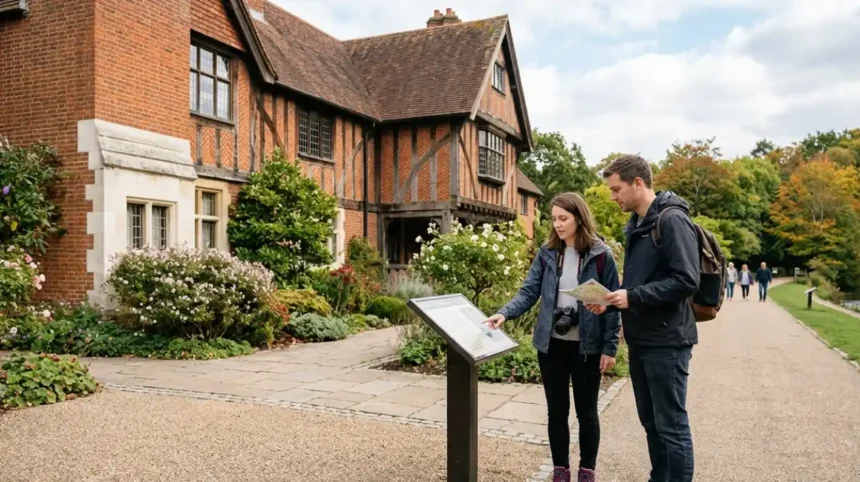
Bexley is one of London’s quietest boroughs for visitors, but it holds a dense mix of Tudor heritage, Victorian engineering, woodland trails, riverside walks, and local cafés. This guide covers the borough’s lesser-known sights, practical visit planning, and the best areas for short-stay leisure trips.
- What makes Bexley worth visiting?
- Which hidden attractions should visitors see first?
- How should you plan a one-day Bexley itinerary?
- Where are the best scenic walks?
- Which cafés and local stops work best?
- What historical background helps visitors understand Bexley?
- Why does Bexley suit leisure travellers and remote workers?
- When is the best time to visit Bexley’s hidden gems?
- How can visitors get the most from a Bexley trip?
What makes Bexley worth visiting?
Bexley matters because it combines major heritage sites, large green spaces, and low-key local destinations in one borough. Visitors find Tudor architecture, industrial history, ancient woodland, and riverside landscapes without the heavy crowds common in central London.
Bexley sits in south-east London and is known for places that feel local rather than overdeveloped. The borough’s visitor offer includes Hall Place and Gardens, Danson House and Park, Crossness Pumping Station, Lesnes Abbey Woods, Red House, and The Exchange Erith. These sites create a strong mix of culture, nature, and quiet leisure.
The borough works well for tourists who want a slower itinerary. It also suits residents planning day trips, digital nomads looking for calmer work breaks, and business travellers with a free afternoon. The value of Bexley is its variety. A visitor can move from a historic house to woodland to a riverside path in a single day.
Which hidden attractions should visitors see first?
The strongest hidden attractions in Bexley are Hall Place and Gardens, Danson House and Park, Crossness Pumping Station, Lesnes Abbey Woods, Red House, and The Exchange Erith. These places cover Tudor history, Georgian design, Victorian engineering, Arts and Crafts heritage, and community-led culture.
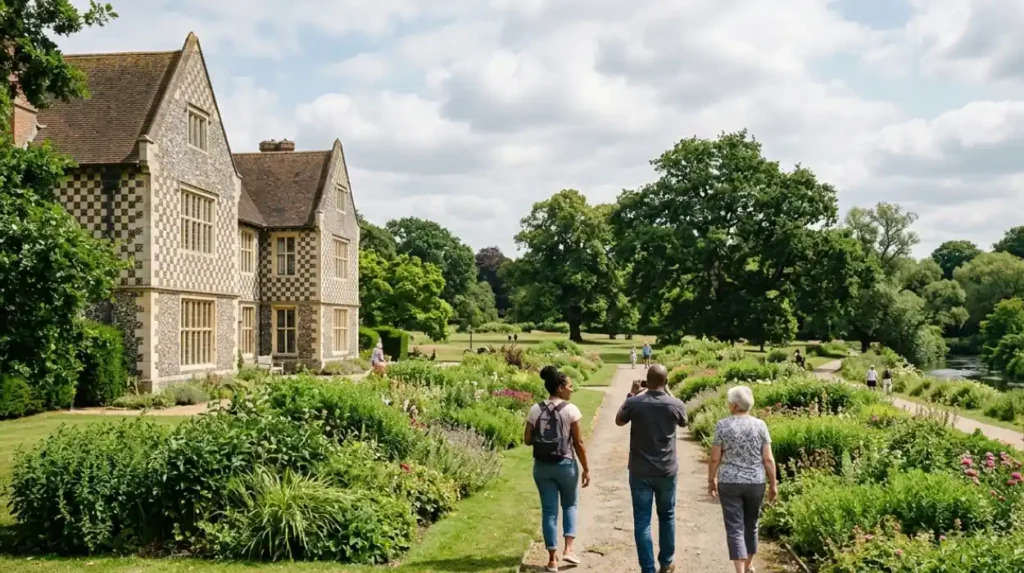
Hall Place and Gardens is a Grade I listed country house built in 1537. It is one of Bexley’s clearest heritage anchors and remains a major visitor site with exhibitions, events, and formal gardens.
Danson House is a Grade I listed Palladian villa overlooking Danson Park. The park covers 78 hectares and is managed by Bexley Council. It is one of the borough’s best places for walking, picnics, boating-area scenery, and open-air downtime.
Crossness Pumping Station adds a different layer. It was built in 1865 as part of Joseph Bazalgette’s sewage system after the Great Stink of 1858. It is now a Grade I listed industrial heritage site and one of London’s most striking engineering landmarks.
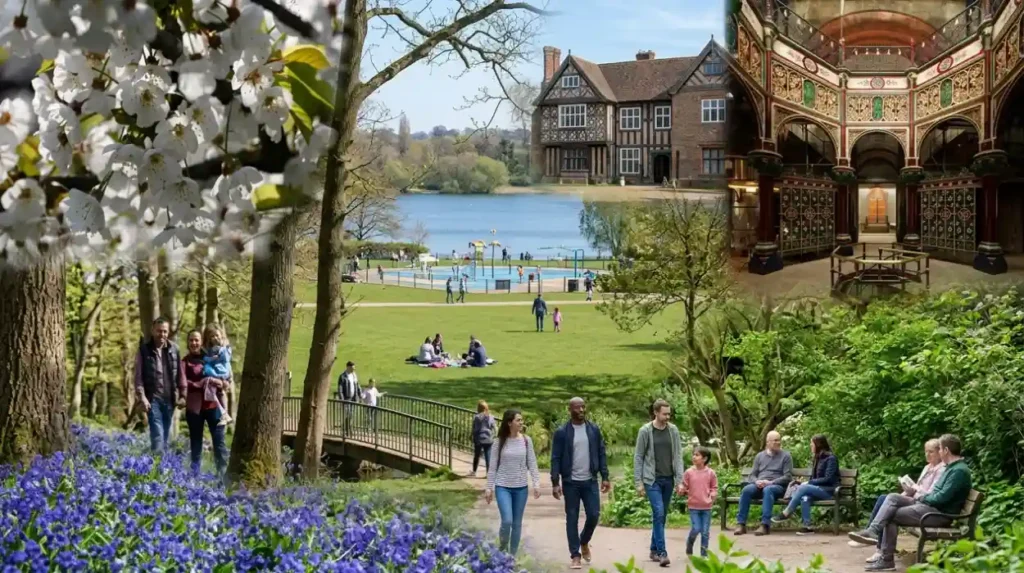
Lesnes Abbey Woods brings in ancient woodland and monastic ruins. The site covers 88 hectares and includes wildflowers, spring bulbs, trails, and abbey remains. It is a strong choice for visitors who want a nature-led visit with historical depth.
Red House in Bexleyheath is the Arts and Crafts home of William Morris and Jane Morris, and a centre of the Pre-Raphaelite circle. It gives the borough a direct link to design history and nineteenth-century artistic movements.
The Exchange Erith shows a more modern side of Bexley. It uses the heritage of Erith’s Old Library as a community-owned space for local programmes and activities. That makes it useful for visitors who want a culture stop beyond the standard landmark route.
How should you plan a one-day Bexley itinerary?
A useful one-day itinerary in Bexley pairs one heritage site, one green space, and one relaxed lunch stop. This structure limits travel time, keeps the pace comfortable, and gives visitors a clear sense of the borough’s history, landscape, and local character.
Start in Bexley Village with Hall Place and Gardens. The house is a strong morning stop because it combines architecture, museum-style interpretation, and outdoor space. Hall Place also has a long historical timeline, from its Tudor origins to later changes under the Dashwood family and twentieth-century public use.
After that, move to Danson Park and Danson House. The park’s large scale makes it ideal for a longer walk or a rest break. The surrounding open space gives visitors a different type of experience from Hall Place, with broad lawns, water views, and room to slow down.
For the afternoon, choose either Crossness Pumping Station or Lesnes Abbey Woods. Crossness suits visitors interested in engineering and civic history. Lesnes suits visitors who prefer woodland paths and seasonal natural displays. Both sites reflect the borough’s lesser-known strengths.
Finish in Erith or Bexleyheath for food, coffee, or an early dinner. This keeps the day practical and avoids unnecessary backtracking. The borough rewards simple routes built around compact clusters of attractions.
Where are the best scenic walks?
Bexley’s best scenic walks are found at Lesnes Abbey Woods, Danson Park, the River Cray corridor, and riverside paths near Erith. These routes combine open green space, wildlife interest, and historic backdrops, making them useful for both leisure visitors and repeat local walkers.
Lesnes Abbey Woods is one of the most rewarding walking locations because it combines woodland, abbey ruins, and seasonal plant life. The site is large enough to support repeated visits and supports a stronger sense of place than a simple urban park.
Danson Park offers broader recreational walking. Its 78 hectares create long sightlines and relaxed movement through open parkland. That scale makes it suitable for visitors who want a low-effort walk rather than a structured trail.
The River Cray area gives Bexley another kind of scenery. Hall Place sits on the River Cray, and the wider river landscape is one reason the borough feels greener than many visitors expect. This is useful for travellers who want soft landscape, not just built heritage.
Riverside and marsh routes near Erith add a more unusual dimension. Komoot describes Erith Saltings as the last remaining salt marsh on the Thames, which gives the area strong ecological and geographical interest. That makes it a useful stop for travellers who want something genuinely different from central London sightseeing.
Which cafés and local stops work best?
Bexley works best for visitors who want simple cafés, lunch stops, and refreshment points near major attractions. The strongest strategy is to pair each visit with a nearby town centre, heritage café, or park-side rest stop rather than chasing a single destination restaurant.
Hall Place includes café facilities and sits within an attraction that already supports half-day visits. That makes it practical for tourists who want a morning site with refreshments on the same visit.
Danson Park and Danson House suit visitors who want a break between walks and sightseeing. The surrounding Bexleyheath area offers more everyday food and drink options than the quieter heritage sites, which helps with flexibility.
Erith is a useful lunch or coffee base because it links naturally with The Exchange and the riverside. It also suits travellers who want a less polished, more local urban stop between outdoor visits.
For digital nomads, the best approach is to use town-centre cafés near Bexleyheath, Erith, or nearby rail-connected areas, then move to green space later in the day. Bexley is not a single café district, but it supports a mixed work-and-walk itinerary well.
What historical background helps visitors understand Bexley?
Bexley’s history explains why the borough combines manor houses, industrial engineering, woodland, and civic heritage. Its key sites reflect Tudor landholding, Georgian country-house culture, Victorian public works, and modern community reuse of older buildings.
Hall Place began in 1537, which places it in the Tudor period. Its surviving features and later alterations show how the borough preserves layered history rather than single-era monuments. The site also links into wider local history resources. As you explore the modern site, you are crossing land with a deep heritage. Read about the full [Bexley historical background guide] to understand its origins.
Crossness Pumping Station was built in 1865 as part of Bazalgette’s response to the sanitary crisis of Victorian London. That history matters because it connects Bexley to the infrastructure that changed the city’s public health. The site is a major example of industrial heritage with direct urban consequences.
Red House shows the borough’s role in arts and design history. William Morris used the house as a creative home, and its connection to the Pre-Raphaelite circle makes it relevant to cultural tourism as well as architecture.
The Exchange Erith demonstrates a later phase of heritage use. It keeps the old library structure relevant through community ownership and modern programmes. That shift from preservation to active reuse is one of the most important trends in suburban heritage planning.
Why does Bexley suit leisure travellers and remote workers?
Bexley suits leisure travellers and remote workers because it offers calm surroundings, public green space, and compact cultural stops without the pace of central London. That makes the borough practical for half-day breaks, work-friendly wandering, and low-cost sightseeing.
For tourists, the borough gives a clear set of attractions without requiring a long journey between them. Hall Place, Danson Park, Red House, and Lesnes Abbey Woods sit within a manageable travel pattern. That reduces friction and makes Bexley more efficient than many larger sightseeing areas.
For remote workers, the borough works because it supports structured downtime. A visitor can complete work in the morning, take a walk at Danson Park or Lesnes Abbey Woods, and then return to a town centre for dinner. That rhythm is useful for short stays and hybrid travel.
For business travellers, Bexley is strong because it does not require a full tourism day. A free afternoon can fit one site, one meal, and one relaxed walk. The borough’s quieter profile also makes it easier to recover between meetings or after rail travel.
The broader implication is that Bexley fits the growing demand for short, localised trips. It offers heritage, scenery, and calm at a scale that suits modern leisure patterns rather than just formal sightseeing.
When is the best time to visit Bexley’s hidden gems?
Spring and summer are the best seasons for Bexley’s hidden gems because gardens, woodland, and parkland are at their strongest. Autumn also works well for quieter heritage visits and long walks, while winter suits indoor sites such as Hall Place and Crossness Pumping Station.
Spring is especially strong for Lesnes Abbey Woods because seasonal flowers add value to the woodland setting. It is also a practical time for open-air routes at Danson Park and the River Cray corridor.
Summer is the best period for longer leisure itineraries because the borough’s green spaces become more usable for picnics, walking, and outdoor rest. Hall Place and Danson Park are both good summer anchors.
Autumn works well for visitors who prefer lower footfall. Heritage sites remain attractive in cooler weather, and woodland walks stay comfortable for longer periods. This gives Bexley a strong off-peak season profile.
Winter is the best season for history-led visits. Hall Place, Crossness, and Red House all provide stronger indoor or guided components, which keeps the borough relevant across the year.
How can visitors get the most from a Bexley trip?
Visitors get the most from Bexley by combining one major heritage site, one open-space stop, and one town-centre break. This creates a balanced trip with clear movement, less travel fatigue, and a better understanding of the borough’s mixed identity.
The most efficient pattern is south-east London heritage first, then green space, then a local meal. That order works because Bexley’s attractions are spread across a few distinct zones rather than concentrated in one tourist centre.
Visitors should also plan for different types of pace. Hall Place and Red House reward slower, guided visits. Danson Park and Lesnes Abbey Woods reward free-flow movement. Crossness rewards curiosity and time for interpretation.
A strong Bexley trip also uses the borough’s official attraction network. The council lists Hall Place and Gardens, Danson House and Park, Crossness Pumping Station, Lesnes Abbey Woods, Red House, and The Exchange Erith as the core visitor set. That official structure helps visitors build a reliable itinerary.
Is Bexley worth visiting for tourists?
Yes, Bexley is worth visiting for tourists who want a quieter side of London with heritage buildings, woodland walks, riverside scenery, and fewer crowds. The borough combines Tudor history, Victorian engineering, and large green spaces in one area.