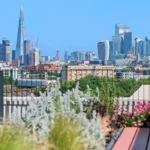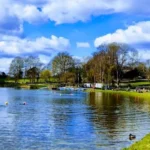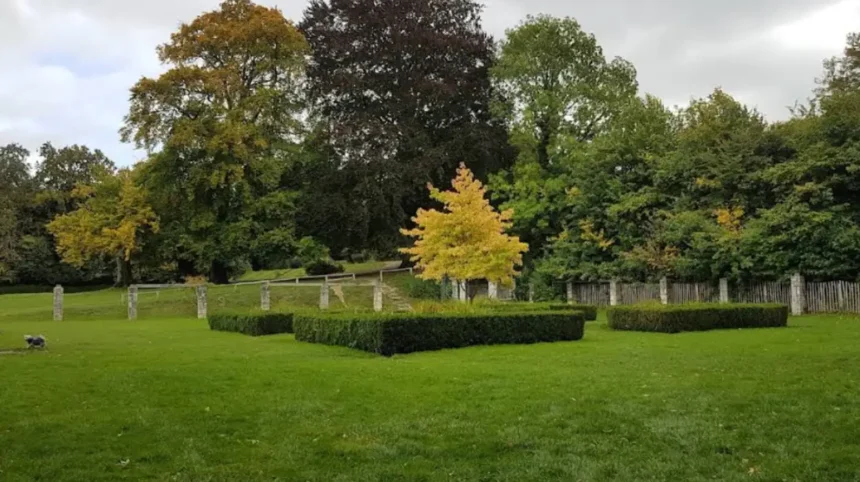
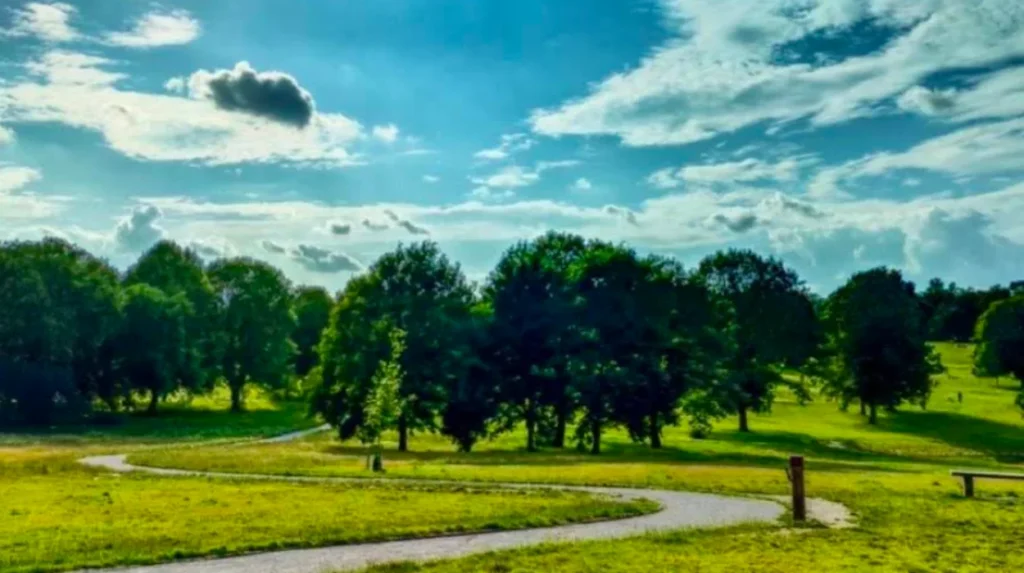
Bromley is one of London’s greenest boroughs, containing over 100 parks and green spaces spanning more than 2,000 hectares of public greenery. The borough features flagship destinations including Crystal Palace Park (88 hectares), High Elms Country Park (32 hectares of woodland and lakes), and Beckenham Place Park (84 hectares with historic house), offering tourists walking trails, picnic areas, wildlife viewing, and outdoor recreation year-round.
- What Are the Best Parks and Green Spaces to Explore in Bromley?
- Which Parks Suit Tourists and Leisure Travellers Best?
- What Natural Features and Wildlife Can Visitors Expect?
- How Do You Access These Parks and What Are the Opening Times?
- What Activities and Facilities Do Bromley Parks Offer?
- Are These Parks Suitable for Families and Accessibility Needs?
- What Makes Bromley Unique Among London’s Green Spaces?
What Are the Best Parks and Green Spaces to Explore in Bromley?
Bromley’s top parks for visitors are Crystal Palace Park, High Elms Country Park, Beckenham Place Park, Kelsey Park, Scadbury Park, Norman Park, and Priory Gardens, each offering distinct features including dinosaur exhibits, native woodland, historic houses, farm animals, Elizabethan-era landscapes, sports facilities, and Victorian formal gardens suitable for tourists and leisure travellers.
Bromley contains 107 designated parks and green spaces managed by the London Borough of Bromley, with the Friends Forum of Bromley Parks and Green Spaces partnering with the council to maintain quality standards across all sites. These spaces range from urbanVictorian parks to expansive country parks and nature reserves, serving diverse visitor needs from active recreation to quiet contemplation.
Crystal Palace Park dominates as the borough’s largest attraction at 88 hectares, featuring the famous Crystal Palace Dinosaurs (installed 1854, the world’s first life-sized dinosaur sculptures), extensive formal gardens, a boating lake, bowling greens, and the former site of the Crystal Palace itself. The park receives over 1 million annual visitors and serves as a major tourist destination with clear signage, accessible pathways, and comprehensive facilities including toilets, cafes, and parking.
High Elms Country Park covers 32 hectares of ancient woodland, grassland, and two lakes in the North Downs Area of Outstanding Natural Beauty. The park features a nature centre with live native wildlife exhibits, 3.5 miles of marked walking trails, butterfly conservation areas, and seasonal wildflower displays. Its location 8 miles south of central London makes it ideal for day-trippers seeking authentic South London woodland experiences.
Beckenham Place Park spans 84 hectares and contains London’s oldest building still in its original setting—Beckenham Place House built around 1750 by architect John Vardy. The estate includes formal gardens, woodland walks, a flowsr garden, and picnic areas. The house occasionally hosts exhibitions and events, adding cultural depth to the natural experience.
Kelsey Park covers 19 hectares in Beckenham and features a minigolf course, historic farm animals (including Highland cattle and Devon roses), formal gardens, and a picturesque lake. The park’s unique combination of recreational facilities and working farm elements makes it particularly appealing for families and first-time visitors exploring South London’s green spaces.
Scadbury Park encompasses 76 hectares of ancient woodland and is one of the largest remaining fragments of the original forest that covered Southeast England. The park is historically significant as the childhood home of Sir Christopher Marlowe and contains archaeological features from Roman and Saxon periods. Its remote, unspoilt character appeals to visitors seeking authentic wilderness experiences away from urban crowds.
Which Parks Suit Tourists and Leisure Travellers Best?
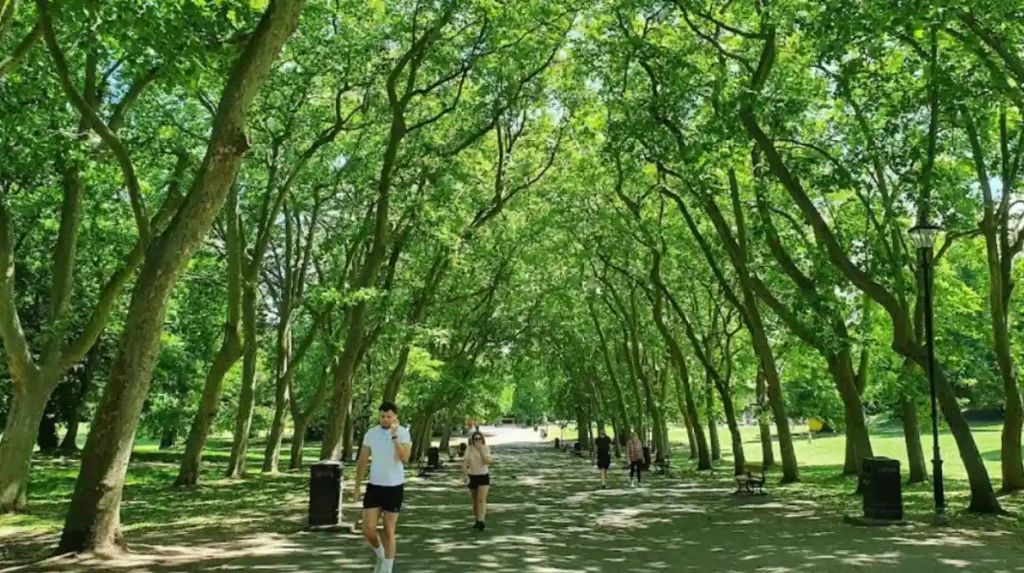
Crystal Palace Park, High Elms Country Park, and Beckenham Place Park suit tourists best because they combine iconic attractions (dinosaur sculptures, nature centres, historic houses), comprehensive visitor facilities (toilets, cafes, parking), clear waymarking, accessibility features, and proximity to public transport links for easy access from central London.
Tourist-focused parks require specific amenities that general local parks may lack. Crystal Palace Park provides the most comprehensive visitor infrastructure with multiple cafes, free parking, step-free access throughout most areas, and direct train access via Crystal Palace station (20 minutes from London Bridge). The park’s dinosaur sculptures and formal gardens create memorable photo opportunities that appeal to international visitors seeking uniquely London experiences.
High Elms Country Park offers tourists authentic South London nature with its nature centre providing educational exhibits about local ecology, making it ideal for families and educational groups. The park’s car park charges £3 for 4 hours, with excellent bus connections from Bromley South station. Its location within the North Downs AONB gives visitors access to wider countryside walks beyond the park boundaries.
Beckenham Place Park combines natural beauty with cultural heritage through its historic house and gardens. The park provides free parking, accessible paths, and regular guided tours of the house during summer months. Its setting within 9 miles of central London with train access via Beckenham Junction makes it practical for day visitors balancing multiple attractions.
For digital nomads and business travellers maximising downtime, Kelsey Park and Norman Park offer work-friendly environments with free Wi-Fi hotspots (via Bromley Council’s public network), peaceful seating areas, and proximity to cafes serving coffee and light meals. Norman Park’s central Bromley location provides 15 hectares of landscaped gardens, tennis courts, and a children’s playground within walking distance of Bromley North station.
What Natural Features and Wildlife Can Visitors Expect?
Bromley’s parks feature ancient woodland (High Elms, Scadbury), chalk grassland (North Downs), freshwater lakes (Crystal Palace, Kelsey, High Elms), native wildlife including woodpeckers, kingfishers, butterflies (High Elms butterfly garden), farm animals (Kelsey Park), and over 200 tree species, with seasonal highlights including spring bluebells, summer wildflowers, and autumn colours.
High Elms Country Park contains ancient woodland dating back to the 17th century with oak, ash, and beech trees, supporting populations of greater spotted woodpeckers, tawny owls, and common bats. The park’s butterfly garden houses over 15 native species including red admirals, painted ladies, and comma butterflies. Two lakes attract kingfishers,demand, and aquatic birds year-round, with bird hides providing viewing opportunities.
Crystal Palace Park’s Victorian landscape includes formal gardens with exotic plant collections, a tropical conservatory site, and extensive tree collections featuring Japanese acer, copper beech, and giant sequoia specimens planted in the 1860s. The boating lake supports duck, goose, and swan populations, while the park’s open grasslands attract lapwings and blackbirds during migration seasons.
Scadbury Park’s 76 hectares of ancient woodland contains veteran trees over 300 years old, supporting rare fungi species and invertebrate communities. The park’s unmanaged woodland edges create habitats for dormice,Add and badgers, making it a Site of Borough Importance for Nature Conservation Grade I. Visitors should stay on marked paths to protect sensitive habitats.
Kelsey Park’s farm animals include Highland cattle, Devon roses, rare breed pigs, and free-range chickens, providing educational opportunities for visitors interested in traditional farming. The park’s lake supports waterfowl including moorhens, coots, and mandarin ducks introduced in the 1980s. Seasonal wildflower meadows bloom with cowslips, orchids, and eyebright from May through July.
Bromley’s green spaces collectively contain over 2,000 hectares of registered parkland, with 15 sites designated as Sites of Borough Importance for Nature Conservation. The borough’s position across the North Downs creates diverse habitats from chalk grassland to river valley woodlands, supporting 47 bird species breeding annually and 12 bat species roosting throughout the year.
How Do You Access These Parks and What Are the Opening Times?
Most Bromley parks open dawn to dusk daily with free entry, except High Elms Country Park (daily 10am–5pm, £3 parking), Crystal Palace Park (24/7 access, free parking zones available), and Beckenham Place House (weekends only, £8.50 admission). All major parks have public transport links within 15 minutes walk, with Crystal Palace station (20 minutes from London Bridge) providing the best access for tourists.
Crystal Palace Park operates 24 hours daily with no entry fee. Multiple parking areas include free 2-hour parking bays and paid all-day car parks (£6–£8). The park is accessible via Crystal Palace train station (Southern, London Overground, and Thameslink services from London Bridge, Victoria, and Blackfriars in 20–25 minutes). Bus routes 196, 354, and P11 serve the park directly.
High Elms Country Park opens daily 10am–5pm (last entry 4:30pm) with £3 parking for 4 hours or £5 all day. The park is 15 minutes by bus (route 407) from Bromley South station, which connects to London Victoria in 30 minutes.步行从布罗姆利南方站需要25分钟。The nature centre operates 11am–4pm Wednesday–Sunday.
Beckenham Place Park is open daily dawn to dusk with free parking. Beckenham Place House opens weekends 11am–4pm (May–September) with £8.50 adult admission. The park is 10 minutes walk from Beckenham Junction station (London Charing Cross in 25 minutes) or 15 minutes from Beckenham Road bus stop (routes 3, 40, 119).
Kelsey Park operates dawn to dusk daily with free entry and parking. The farm area is accessible daily, while the minigolf course operates 10am–6pm (April–September). It is 12 minutes walk from Beckenham Junction station.
Scadbury Park opens dawn to dusk daily with no parking on-site (limited street parking available). The park is 20 minutes walk from Chislehurst station (London Charing Cross in 25 minutes). Bus route 161 stops 5 minutes from the main entrance.
As you explore the modern site of these Victorian and Edwardian parks, you are crossing land with a deep heritage from London’s expansion era. Read about the full [Bromley Parks Historical Background and Development from 1850–1930] to understand its origins and how council planning shaped today’s green network.
What Activities and Facilities Do Bromley Parks Offer?
Bromley parks offer walking trails (3.5–8 miles per park), cycling routes, picnicking areas, boating (Crystal Palace), minigolf (Kelsey Park), tennis courts (Norman Park), nature centres (High Elms), historic house tours (Beckenham Place), wildlife watching, bird hides, playgrounds, and riverside paths, with most providing toilets, drinking water, and cafe facilities.
Crystal Palace Park features 8 miles of walking and cycling paths, a 12-hectare boating lake with rowing boat hire (£8/hour), bowling greens, tennis courts, a children’s playground, and the Crystal Palace Dinosaurs trail (self-guided, 45 minutes). The park contains two cafes, multiple picnic areas, and free Wi-Fi hotspots. Seasonal events include outdoor cinema screenings (June–August) and Christmas lights trail (November–December).
High Elms Country Park offers 3.5 miles of marked walking trails including a circular woodland route, butterfly garden, nature centre with live wildlife exhibits, bird hides, and picnic areas. The park provides guided nature walks every Saturday 10:30am (free booking required) and school holiday activities for children aged 5–12. A cafe serves hot meals and refreshments daily.
Beckenham Place Park features 5 miles of woodland and garden walks, formal gardens, flowsr garden, historic house tours, picnic areas, and a children’s play area. The estate hosts guided history walks monthly and outdoor yoga sessions (Sundays 9am, May–September). The house cafe operates weekends only.
Kelsey Park provides minigolf course (9 holes, £4 adults), farm animal viewing, formal gardens, lakeside walks, and picnic areas. The minigolf course is particularly popular with families and offers evening lighting during summer months. The farm features feeding sessions at 11am and 3pm daily.
Norman Park offers 15 hectares of landscaped gardens, tennis courts (4 courts, £5/hour), bowling green, children’s playground, outdoor gym equipment, and riverside paths along the Raven’s River. The park provides free Wi-Fi, making it suitable for digital nomads seeking outdoor work environments. A cafe operates Wednesday–Sunday 10am–4pm.
Are These Parks Suitable for Families and Accessibility Needs?
Yes, Crystal Palace Park, High Elms Country Park, Beckenham Place Park, and Kelsey Park are fully family-friendly with children’s playgrounds, accessible pathways, disabled parking, accessible toilets, and tactile exhibits. Crystal Palace Park and High Elms provide step-free access throughout, while Beckenham Place House has limited accessibility due to historic building constraints.
Crystal Palace Park features two children’s playgrounds (one sensory playground for disabled children), step-free access throughout most areas, accessible toilets at multiple locations, disabled parking bays near main entrances, and wheelchair-accessible boat hire. The dinosaur trail has firm gravel paths suitable for wheelchairs and pushchairs. Staff at the visitor centre provide accessibility information and equipment loan services.
High Elms Country Park offers accessible nature centre with tactile exhibits, step-free paths around the main lake and nature centre, accessible toilets, and disabled parking. The woodland trails include some steep sections, but the main circular route (1.5 miles) is wheelchair-accessible with firm surfaces. Staff provide wheelchair loan services free of charge.
Beckenham Place Park has accessible paths around the formal gardens and main lawn areas, accessible toilets near the cafe, and disabled parking. The historic house has limited accessibility due to its 1750s construction (stairs only, no lift), but the grounds and gardens are fully accessible. Staff provide portable ramps for ground-floor room access.
Kelsey Park features accessible farm viewing areas, step-free paths around the lake and formal gardens, accessible toilets, and disabled parking near the farm entrance. The minigolf course has adapted holes for wheelchair users. The farm animal feeding areas are positioned at accessible heights for seated visitors.
Scadbury Park has limited accessibility due to its wild woodland character with uneven terrain and muddy paths after rain. The main entrance path is accessible, but deeper woodland areas require sturdy footwear and mobility. The park provides accessible parking and toilets at the visitor centre.
Norman Park offers full accessibility with step-free paths throughout, accessible toilets, disabled parking, and an accessible outdoor gym with adapted equipment. The riverside path is firm and suitable for wheelchairs and pushchairs. The cafe has step-free access and accessible seating.
What Makes Bromley Unique Among London’s Green Spaces?
Bromley is London’s largest and greenest borough by area (24,500 hectares), containing 107 parks covering over 2,000 hectares, 15 Sites of Borough Importance for Nature Conservation, and the only London borough with significant portions of the North Downs Area of Outstanding Natural Beauty, combining ancient woodland, chalk grassland, Victorian formal gardens, and working farms in one accessible location 15–25 minutes from central London.
Bromley contains 24,500 hectares total with 40% designated as green space, exceeding all other London boroughs. The borough’s 107 parks and green spaces include 15 Grade I Sites of Borough Importance for Nature Conservation, 3 Sites of Special Scientific Interest, and 32 hectares of ancient woodland.
The North Downs AONB covers 15% of Bromley’s area, providing chalk grassland habitats found nowhere else in London. This geological feature supports rare plant species including chalk meadow grass, bee orchids, and wild thyme, creating unique biodiversity hotspots within easy reach of central London.
Crystal Palace Park’s dinosaur sculptures (1854) represent the world’s first scientific dinosaur reconstructions, making it historically significant beyond London as a global paleontological landmark. The park combines Victorian landscape design with modern ecological management, creating layers of historical and natural interest.
Bromley’s green network includes working farms (Kelsey Park), ancient woodland (Scadbury, High Elms), Victorian formal gardens (Crystal Palace, Norman Park), and riverside corridors (Raven’s River, Pool River), offering diverse experiences within a single borough. This variety allows tourists to experience multiple London green space types without travelling across the city.
The London Borough of Bromley manages all parks through the Friends Forum partnership model, where 23 Friends Groups volunteer to maintain specific parks, ensuring high standards and community ownership. This model creates well-maintained spaces with regular events and activities involving local residents and visitors.
Bromley’s position on the southeastern edge of London provides easier access to Southeast England countryside beyond the borough boundaries, allowing visitors to extend their visit into Kent’s North Downs for multi-day hiking adventures. Train connections from Bromley South to London Victoria (30 minutes) and Charing Cross (25 minutes) enable convenient day trips combining urban and rural experiences.