Lewisham is a major commercial, cultural, and transport hub located six miles south of central London within the ceremonial county of Greater London. It serves as the principal settlement of the London Borough of Lewisham, housing a population of 60,573.
- What is the history of Lewisham?
- What are the top landmarks to visit in Lewisham?
- How do visitors navigate the Lewisham transport network?
- Where should tourists shop and eat in Lewisham?
- What outdoor and green spaces exist in Lewisham?
- How does Lewisham support digital nomads and business travellers?
- What is the future cultural and economic relevance of Lewisham?
The locality functions as one of the 35 major centres identified in the London Plan, which is the statutory spatial development strategy for Greater London. Geographically, the area is positioned where the River Ravensbourne meets the River Quaggy, providing a natural valley topography that influenced its development from a rural Saxon settlement into an urban industrial and retail center. It is bordered by Greenwich to the east, Blackheath to the northeast, Catford to the south, and Brockley to the west.
Administratively, the territory fell within the historic county of Kent until 1889, when the London County Council assumed jurisdictional control. The name originates from the Old English words “Læsa” or “Leofsa”, representing a personal name, combined with “ham”, meaning a dwelling or village. Today, it operates as a diverse socio-economic zone, characterized by extensive transport infrastructure, an open-air street market, and a growing population of creative professionals, students, and multicultural communities.
What is the history of Lewisham?
Lewisham developed from a 10th-century Saxon farming village given by King Alfred’s niece, Elthruda, to the Abbey of St. Peter in Ghent in 900. It evolved into a vital industrial mill hub and a Victorian suburban commuter town.
The historical narrative of the area centers heavily on its water systems. At the time of the Domesday Book in 1086, landowners operated 11 watermills along the River Ravensbourne. Before the advent of the Industrial Revolution, these mills ground grain, tanned leather, and processed steel for weapons. The manor remained under the ecclesiastical control of the Abbey of Ghent until King Henry V suppressed alien priories during the 15th century, eventually transferring ownership to the Crown under King Henry VIII in 1531.
During the 17th and 18th centuries, wealthy merchants from the City of London constructed large country villas in the fertile valley. The transformation into a dense urban landscape accelerated with the opening of the North Kent Line railway in 1849, followed by the Mid Kent Line in 1857. These rail corridors prompted rapid property development, replacing rural estates with terraced housing for lower-middle-class commuters. The town center suffered severe destruction on 28 July 1944 when a German V-1 flying bomb struck the high street, killing 51 people and destroying the Marks & Spencer department store. Post-war reconstruction during the 1950s and 1970s established the modern pedestrianized retail layouts observed today.
What are the top landmarks to visit in Lewisham?
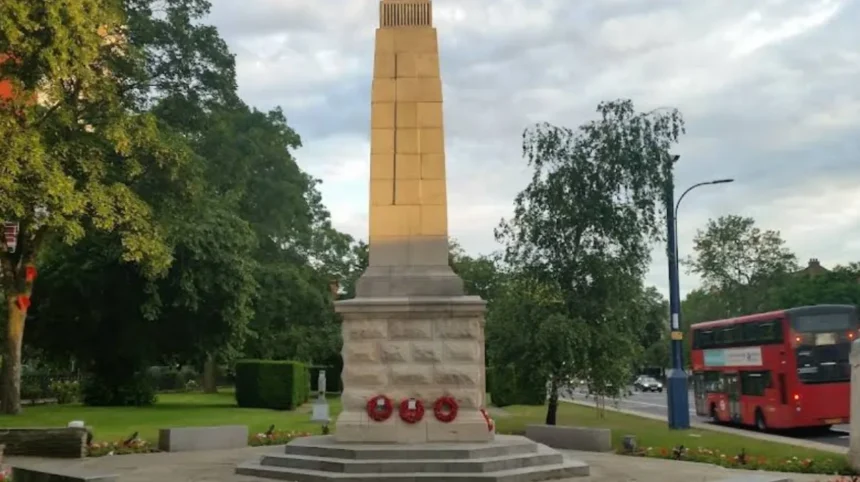
The principal landmarks in Lewisham include the Grade II-listed Lewisham Clock Tower, the Art Deco Tower House building, and the historic St Mary’s Church. These sites collectively illustrate the Victorian, Edwardian, and inter-war architectural evolution of southeast London.
The Lewisham Clock Tower stands directly on the high street, erected in 1897 to commemorate the Diamond Jubilee of Queen Victoria. Local authorities relocated the structure in 1995 to improve pedestrian flow near the market square. Nearby stands Tower House, an imposing Art Deco structure completed in 1933 for the Royal Arsenal Cooperative Society. The exterior of Tower House features distinct low-relief stone carvings depicting a 1930s delivery lorry, a steam train, and steamships, which represented the industrial supply chains of the cooperative movement.
Further south lies the Church of St Mary, which holds structural elements dating back to the 12th century, though major reconstructions occurred between 1774 and 1777 under the direction of architect George Gibson. For visitors interested in the broader maritime history of the connected waterways, the area connects directly via transport links to northern maritime zones. As you explore the modern site, you are crossing land with a deep heritage. Read about the full [Deptford Royal Dockyard Naval History] to understand its origins.
How do visitors navigate the Lewisham transport network?
Passengers navigate Lewisham using a multimodal transport interchange that connects National Rail services, the Docklands Light Railway, and more than 20 bus routes. The system provides direct travel to central London locations within 12 minutes.
Lewisham station operates as the central transport artery for the borough, situated in Travelcard Zone 2 and Zone 3. The National Rail platforms are managed by Southeastern, offering frequent services to London Victoria, London Charing Cross, and London Cannon Street. The Docklands Light Railway terminal provides automated light rail connections directly to Canary Wharf, Stratford, and Bank station, making the location a preferred base for business travellers and digital nomads.
The local bus network operates 24 hours a day via the Lewisham bus station outside the rail terminal. Key routes include the 21 to London Bridge, the 436 to Paddington, and the 108, which provides a 24-hour link through the Blackwall Tunnel to North Greenwich. The automated ticketing framework relies entirely on the contactless payment system and Oyster card infrastructure managed by Transport for London.
Where should tourists shop and eat in Lewisham?
Visitors shop at the historic Lewisham Street Market and the covered Lewisham Shopping Centre, while dining across a network of independent restaurants in Deptford Market Yard and Brockley. The culinary offerings emphasize global street food and artisan produce.
Lewisham Street Market has operated continuously since 1906 along the pedestrianized high street. Traders open stalls Monday through Saturday, selling fresh produce, textiles, and household goods. Adjacent to the street market is the Lewisham Shopping Centre, a 330,000-square-foot indoor retail complex opened in 1977 that houses major high-street brands.
The culinary landscape relies heavily on the diverse demographic profile of southeast London. Deptford Market Yard, located two miles north within the borough, utilizes refurbished 1835 railway arches to house independent restaurants, specialty coffee roasters, and craft beer bars. For weekend travelers, Brockley Market operates every Saturday at the Lewisham College car park, specializing in locally sourced meats, natural wines, and seasonal English vegetables. Local restaurants serve traditional British pub food, authentic Turkish grilled dishes, and Jamaican jerk specialities.
What outdoor and green spaces exist in Lewisham?
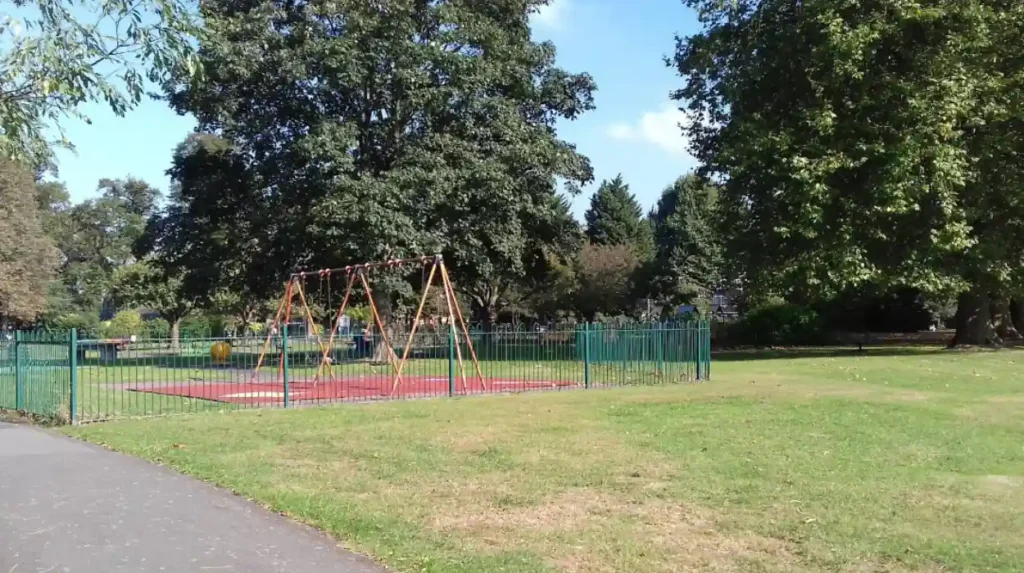
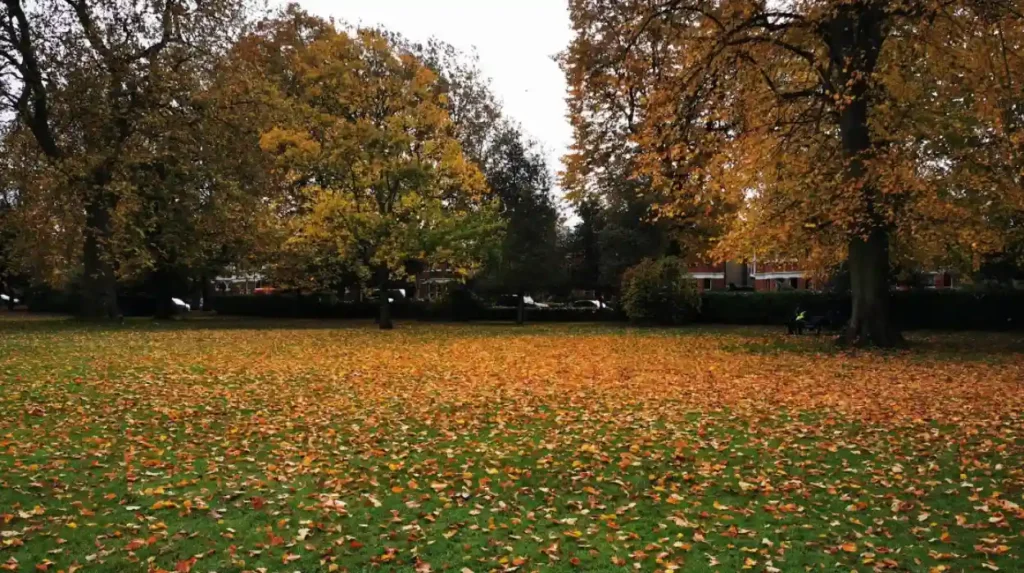
The primary green spaces consist of Hilly Fields, Beckenham Place Park, and Ladywell Fields. These public parks provide 400 hectares of combined recreational land, ancient woodland, and flood-plain nature trails.
Hilly Fields sits 53 meters above sea level, delivering panoramic views of the City of London skyline and the Crystal Palace transmitter. The park features a stone circle monument erected in 2000 to mark the millennium, alongside tennis courts, a cricket pitch, and a dedicated wildlife meadow. Ladywell Fields stretches along the River Ravensbourne, acting as a natural river corridor that underwent a major ecological restoration project in 2008 to re-naturalize the riverbanks and reduce local flood risks.
Beckenham Place Park represents the largest green space in the borough, spanning 96 hectares. The park contains a Grade II-listed Georgian manor house, extensive tracks of ancient woodland, and a large purpose-built swimming lake. The lake allows public open-water swimming and paddleboarding under the supervision of local lifeguards. These parks provide habitats for native wildlife populations, including pipistrelle bats, grey herons, and green woodpeckers.
Explore More Area Guide
Best Things to Do in Lewisham for Tourists and Leisure Travellers
What Are the Best Indoor Activities in Bromley? Museums, Cinema & More
How does Lewisham support digital nomads and business travellers?
Lewisham supports remote workers through public libraries equipped with high-speed Wi-Fi, specialized co-working spaces, and work-friendly cafes. The borough offers affordable desk space compared to central London commercial districts.
The Crofton Park Library and the Lewisham Library act as free public hubs for digital nomads, providing study desks, electrical outlets, and digital printing facilities. For dedicated office environments, private co-working spaces offer flexible hot-desking memberships, meeting room rentals, and business-grade internet access.
The presence of Goldsmiths, University of London, in neighboring New Cross has driven the growth of laptop-friendly cafes throughout the area. Establishments along the high street and inside Deptford Market Yard cater specifically to remote workers by offering charging stations and extended daytime opening hours. The 12-minute transit time to the City of London allows domestic business travellers to base their operations in Lewisham while maintaining immediate access to central financial districts.
What is the future cultural and economic relevance of Lewisham?
The future relevance of Lewisham is anchored in its 30-year structural regeneration plan, expanding arts infrastructure, and post-London Borough of Culture legacy. These initiatives guide commercial investment and sustainable urban development.
The local council executes the Lewisham Town Centre Local Plan, an urban development strategy aimed at delivering 2,500 new homes and upgraded public spaces by 2030. The infrastructure development focuses on the Lewisham Gateway site, which transforms the former traffic roundabout layout into a pedestrianized residential and commercial district featuring a multiplex cinema, restaurants, and retail spaces.
The borough leverages its legacy as the London Borough of Culture, an accolade awarded by the Mayor of London. This framework funds community arts programs, public theater performances at the Broadway Theatre in Catford, and contemporary art exhibitions at the Goldsmiths Centre for Contemporary Art. The preservation of historic entertainment venues, such as the 1950s Rivoli Ballroom, ensures the locality retains its distinct cultural identity amidst ongoing economic modernization.
Where is Lewisham located in London?
Lewisham is located about six miles south of central London in southeast London and serves as the main town of the London Borough of Lewisham.