
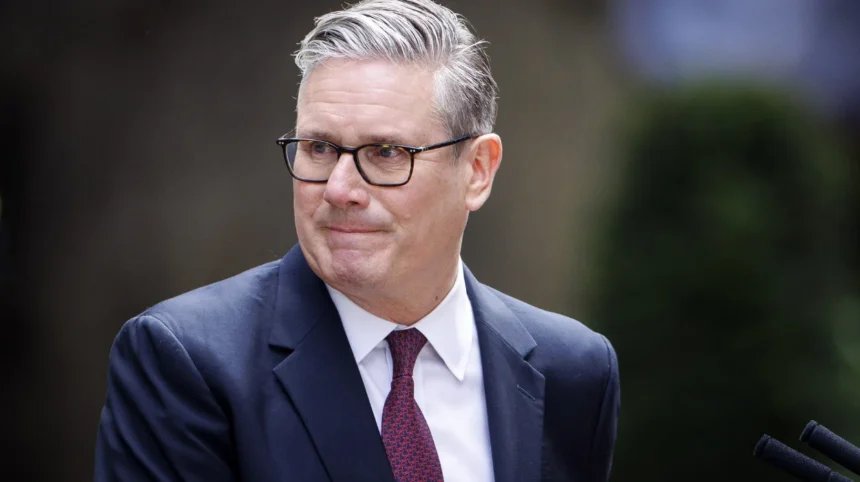
Sir Keir Starmer has announced he will resign as leader of the Labour Party and leave office as prime minister once a leadership contest is completed, after weeks of mounting pressure from within his own party.
In a statement on Monday, Mr Starmer said he would remain in Downing Street as caretaker prime minister until Labour chooses a new leader, ensuring an orderly handover at the top of government.
The move marks a major political turning point for a leader who won a landslide general election in July 2024 and entered office promising stability after years of turmoil. But after a difficult spell in government and growing unrest among Labour MPs, his position had become increasingly hard to hold.
The leadership contest is expected to open in the coming weeks, with a new Labour leader likely in place before Parliament returns after the summer recess. That timetable is intended to limit uncertainty, but it is still likely to deepen the sense of political instability at Westminster.
For readers in South London, the resignation raises fresh questions about what happens next on the issues that matter most: housing, public transport, NHS access and the cost of living. Any new Labour leader will come under immediate pressure to show they can deliver on the promises that won the party power.
Mr Starmer’s departure also opens up a wider debate about Labour’s future direction. With the party now heading into a leadership race, attention will quickly turn to who can unite MPs, reassure voters and rebuild confidence in the government.