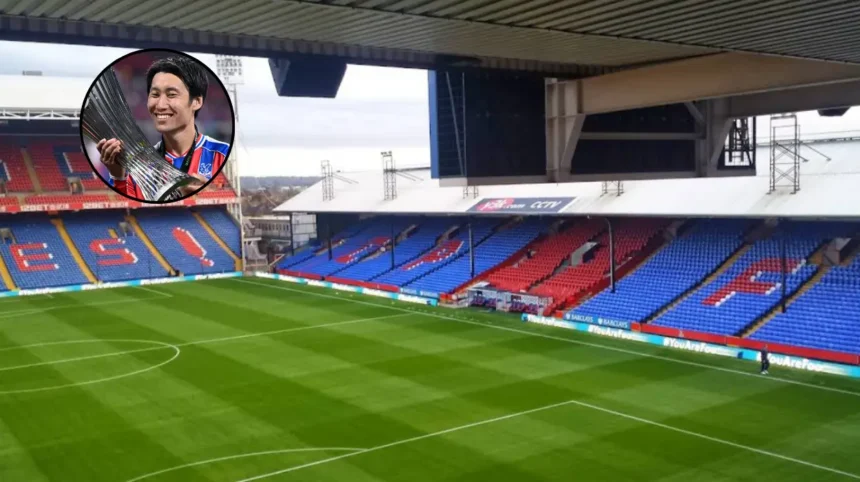
Key Points
- Daichi Kamada has agreed to a contract extension with Crystal Palace, keeping him at Selhurst Park until June 2027.
- The deal is complete and is expected to be officially announced within the next 24 hours.
- Kamada technically became a free agent after his initial two-year contract expired on 30 June, which had sparked speculation about a possible exit.
- Several clubs were reportedly monitoring the situation, especially after Kamada’s strong performances for Japan at the 2026 FIFA World Cup, where Japan lost to Brazil in the Round of 32.
- Kamada’s preference has always been to remain in London, and all administrative hurdles have been resolved following direct discussions with Pierre Sage.
- Pierre Sage, who succeeded Oliver Glasner as Palace manager, views Kamada as a crucial part of his new tactical project.
- Retaining Kamada on a one-season rolling contract is described as shrewd business for Palace, given the likely high cost of replacing his creative influence in the market.
- Kamada has overcome a slow start to become a key figure in Palace’s historic UEFA Conference League triumph in May.
- With a busy domestic schedule and another demanding European campaign ahead, Sage will benefit from Kamada’s international experience.
Selhurst Park (South London News) July 8, 2026 – In a significant development for South London football, Daichi Kamada has agreed to extend his stay at Crystal Palace until June 2027, ending weeks of uncertainty over the Japan international’s future. The deal is complete and is expected to be formally announced within the next 24 hours, confirming that the player referred to by some observers as “genius” will remain at Selhurst Park.
- Key Points
- Why did Kamada’s future become uncertain?
- How did Crystal Palace secure Kamada’s signature?
- What impact will Kamada’s extension have on Palace’s season?
- How has Kamada evolved at Crystal Palace?
- Who else was interested in Kamada?
- Background of the development
- Prediction: How will this development affect Crystal Palace fans and the South London community?
This confirmation marks a major win for Crystal Palace, who faced the prospect of losing a proven, press-resistant midfielder after Kamada’s initial two-year contract expired on 30 June.
His technical status as a free agent had fuelled speculation about a possible exit, with several clubs reportedly monitoring the situation closely.
Why did Kamada’s future become uncertain?
Kamada’s uncertainty stemmed from the expiry of his original deal with Palace, which had been signed for two years and ended on 30 June 2026. Once that contract expired, he technically became a free agent, meaning any club could approach him without a transfer fee.
This situation naturally attracted interest from other teams, particularly after Kamada showcased his talent with a series of impressive performances for Japan at the 2026 FIFA World Cup.
During that tournament, Kamada was part of a Japan side that bowed out to Brazil in the Round of 32, but his individual displays helped reinforce his reputation as a high-quality midfielder capable of thriving under pressure.
Those performances, combined with his free-agent status, led to increased speculation that he might leave South London in search of a new challenge or a longer-term contract elsewhere.
How did Crystal Palace secure Kamada’s signature?
According to reports, Kamada’s preference has always been to remain in London, which played a central role in the negotiations.
Direct and productive discussions between the player and Crystal Palace manager Pierre Sage helped resolve all administrative hurdles and bring the deal to completion.
Pierre Sage, who succeeded Oliver Glasner as Palace manager, made it clear that he sees the versatile midfielder as a crucial part of his new tactical project.
By securing Kamada on a one-season rolling contract, Palace have ensured flexibility while also providing the player with a stable framework to continue his development.
For Crystal Palace, retaining a midfielder of Kamada’s calibre without paying a transfer fee is described as shrewd business.
Replacing his creative influence in the market would likely require a substantial transfer fee, in addition to the wages that would be needed to attract a comparable player.
What impact will Kamada’s extension have on Palace’s season?
Kamada has already established a lasting legacy in South London, overcoming a slow start to become a key figure in Palace’s historic UEFA Conference League triumph in May.
His ability to operate in multiple midfield roles, combined with his press resistance and creative passing, has made him an important asset for Palace in both domestic and European competitions.
With a busy domestic schedule and another demanding European campaign ahead, Sage will be delighted to have secured the midfield maestro’s international experience.
Kamada’s presence in the squad offers the manager greater flexibility in terms of tactics and rotation, particularly during periods when the team faces multiple fixtures in a short timeframe.
How has Kamada evolved at Crystal Palace?
Kamada’s journey at Crystal Palace began with a period of adjustment, as he worked to adapt to the physicality and pace of English football.
Over time, however, he developed into one of Palace’s most reliable performers, particularly in key matches where his composure and vision stood out.
His contribution to Palace’s UEFA Conference League success in May highlighted his importance to the team, as he regularly provided the creative spark needed to unlock defences and support attacks.
This evolution from a player who initially struggled to find his rhythm to a central figure in a historic trophy win underlines the value Palace have derived from his signing.t
Who else was interested in Kamada?
As reported by unspecified sources citing multiple media titles, several clubs were reportedly monitoring Kamada’s situation closely once he became a free agent.
The interest was particularly heightened after his performances at the 2026 FIFA World Cup, which reinforced his status as one of Japan’s standout midfielders.
While no specific clubs have been named in the available reports, the level of interest suggests that Kamada was viewed as a attractive option for teams looking to strengthen their midfield options without the need for a large transfer fee.
Ultimately, however, Kamada’s desire to stay in London and the offer from Palace proved decisive in shaping the outcome.
Background of the development
Daichi Kamada joined Crystal Palace on a two-year deal, initially arriving in South London with the aim of establishing himself in the English game. His contract was set to expire on 30 June 2026, which meant that, from that date, he would technically be a free agent unless a new agreement was reached.
The expiry of his contract triggered a period of uncertainty, with speculation emerging about whether Kamada would remain at Palace or seek a new club.
This situation was complicated by his strong performances for Japan at the 2026 FIFA World Cup, which increased his profile and attracted interest from other teams.
The negotiations between Kamada and Palace were conducted directly with manager Pierre Sage, who had taken over from Oliver Glasner and was building a new tactical approach. Sage identified Kamada as a key component of his project, which led to intensive discussions aimed at resolving all administrative issues and finalising a new deal.
Prediction: How will this development affect Crystal Palace fans and the South London community?
For Crystal Palace fans, Kamada’s contract extension provides a sense of stability and continuity as the club prepares for another season with European involvement. Keeping a player who has already been instrumental in a historic trophy win helps maintain the team’s identity and gives supporters confidence that the squad will retain much of its core strength.
In the broader South London community, the decision underscores Crystal Palace’s role as a prominent football institution that can attract and retain high-quality international players.
Kamada’s continued presence at Selhurst Park reinforces the club’s appeal not only to fans but also to local businesses and residents who benefit from the visibility and economic activity generated by the team’s performances.
For Pierre Sage, securing Kamada on a rolling contract offers tactical flexibility and the opportunity to build a cohesive midfield unit around a player with proven experience at both domestic and international levels.
This development is likely to influence how Palace approach upcoming fixtures, with greater confidence in their ability to compete consistently across multiple competitions.